Sika Sarnafil Membrane Systems for This Market
Sika Sarnafil is best known for its PVC membrane line, one of the longer-established PVC products in the commercial roofing industry, and also produces a TPO membrane offering. We spec Sarnafil materials on Fort Smith jobs where PVC's chemical resistance or weld characteristics are specifically what a building needs, weighing them against other manufacturers on a per-project basis.
PVC Membrane Line
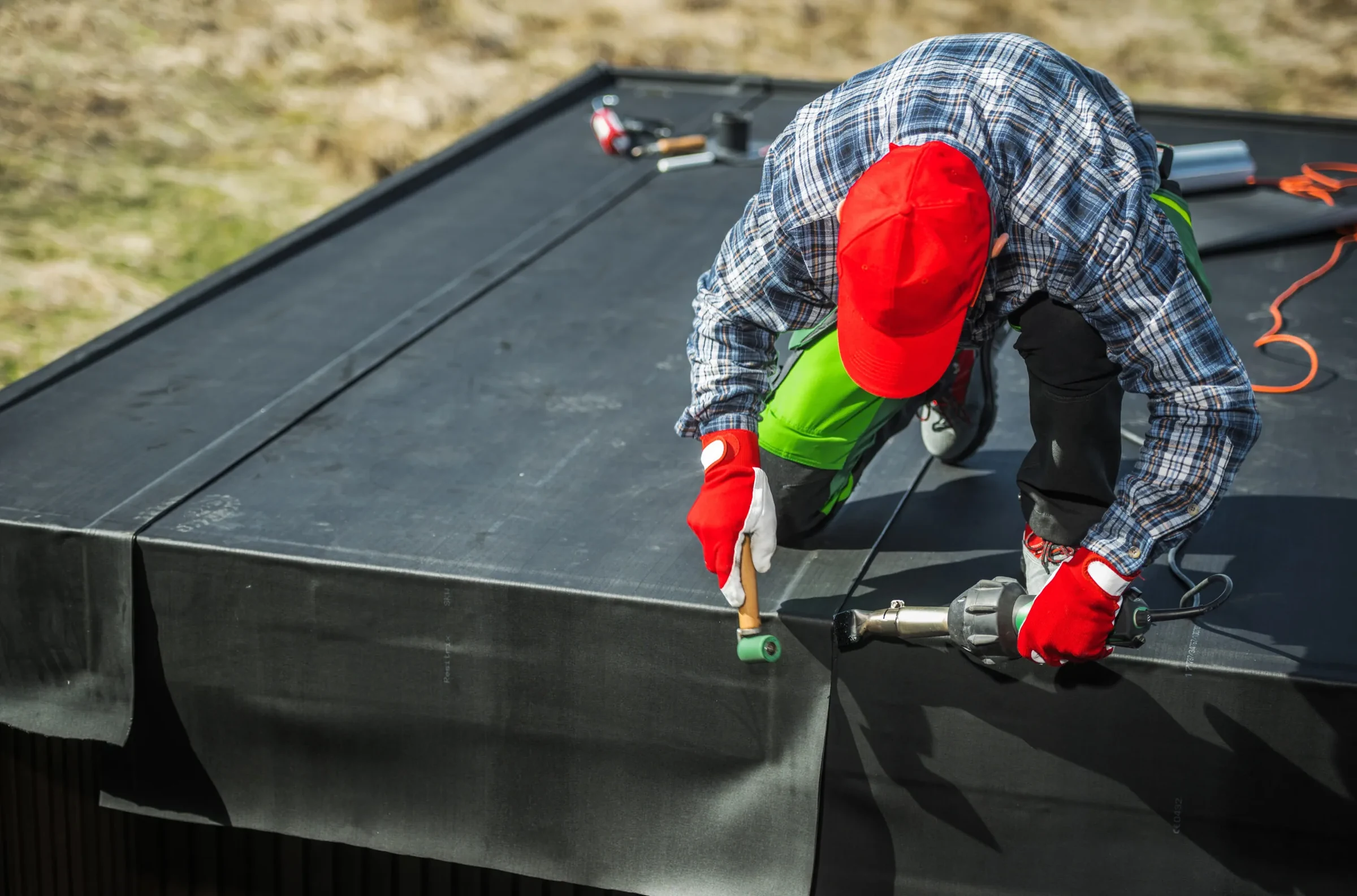
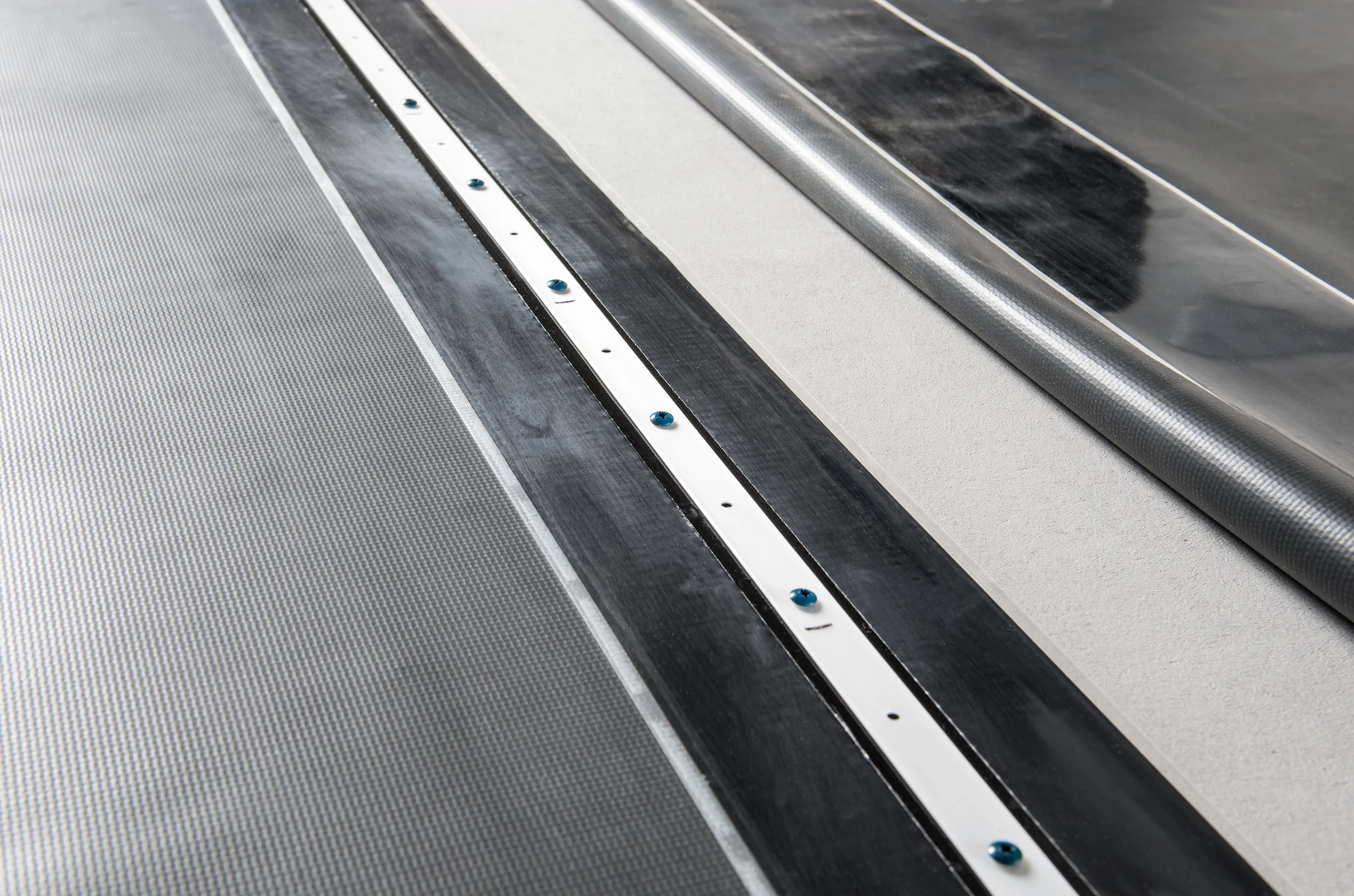
Sarnafil's PVC membranes are reinforced with a polyester or fiberglass scrim depending on the specific product and are hot-air welded at seams, producing a fused chemical bond. That weld chemistry and the base PVC formulation give the membrane resistance to grease, oils, and certain chemical exposures that would degrade a standard TPO sheet over time. In Fort Smith, this matters most on buildings with rooftop food-service exhaust or facilities near industrial operations around Chaffee Crossing where airborne process residue can settle on roof surfaces.
Sarnafil also offers reinforced membrane options and various surface finishes, including reflective options that reduce rooftop heat gain through the area's humid summer months.
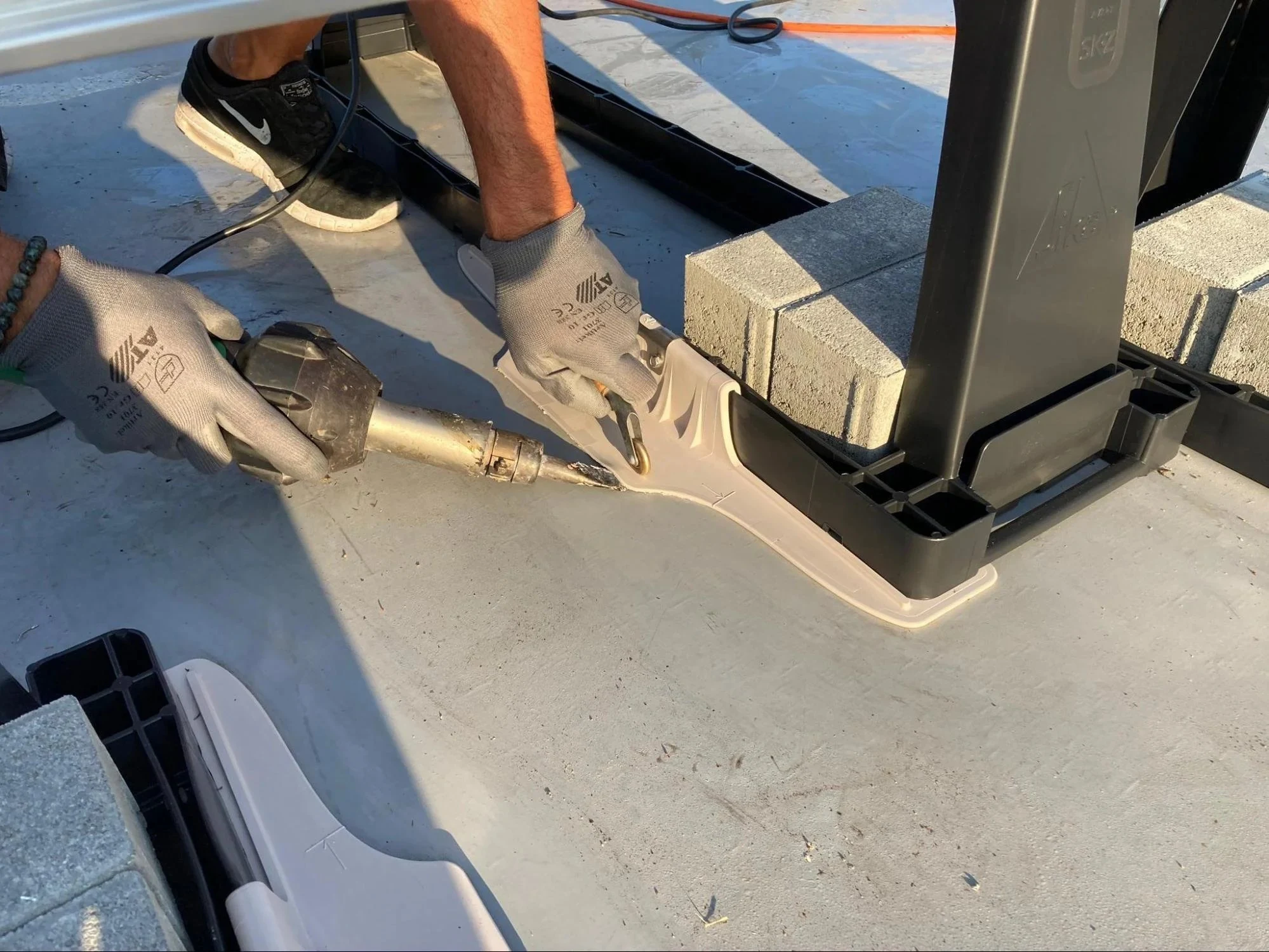
Sika's broader parent company also manufactures roofing adhesives and accessory sealants, and on Sarnafil jobs we use their matched accessory line at penetrations and terminations rather than substituting a generic sealant, since that consistency is part of what keeps the manufacturer warranty intact through the life of the roof.
TPO Membrane Line
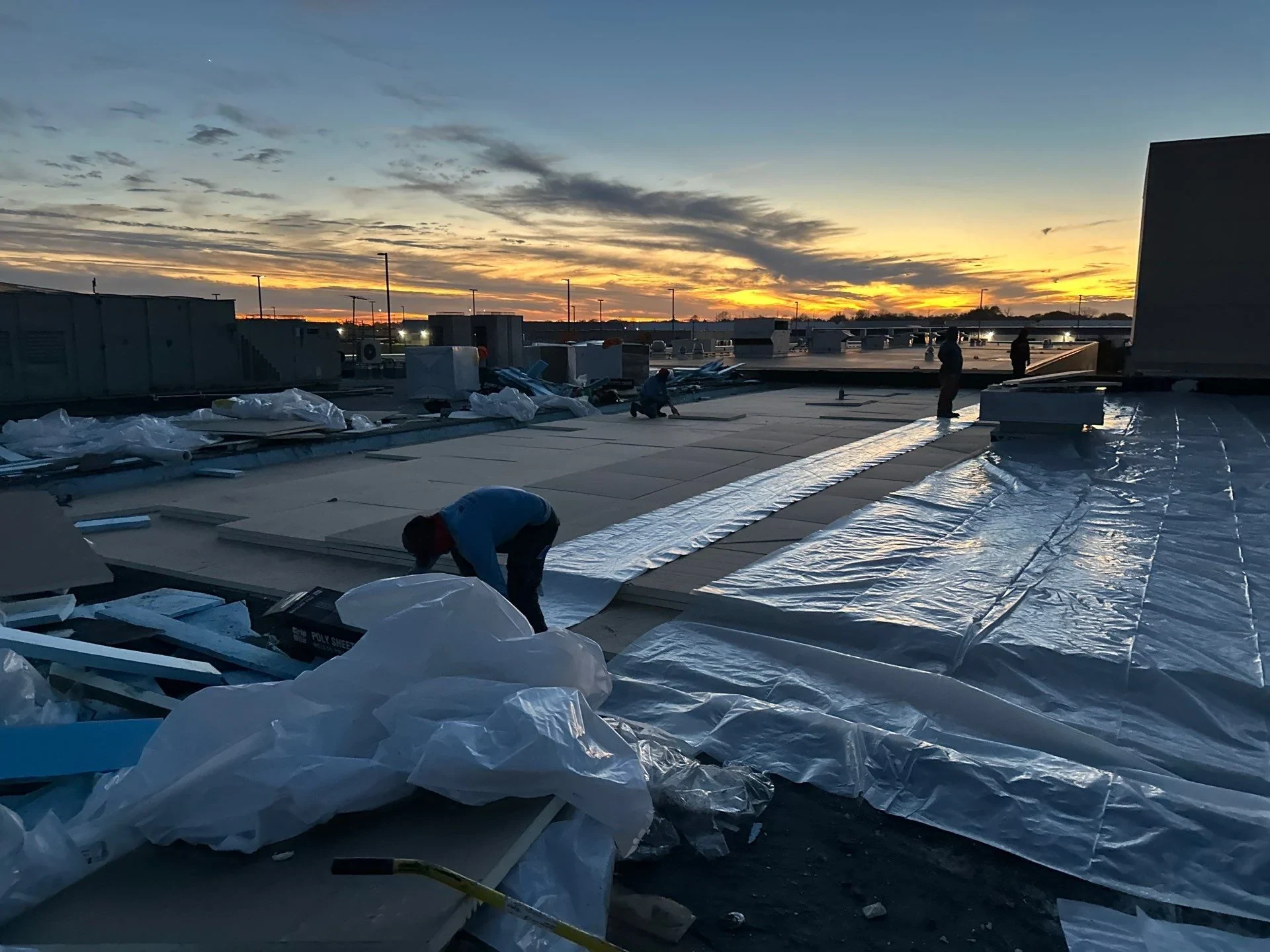
Sarnafil's TPO product line offers thermoplastic membrane as an alternative to their PVC line for buildings without the chemical or grease exposure that would call for PVC specifically. We evaluate the two lines against each other for a given building based on actual exposure conditions rather than defaulting to one over the other. For a typical warehouse or distribution roof along the I-40 corridor without grease or chemical exposure, Sarnafil TPO is usually the more cost-effective specification, with PVC held in reserve for the buildings that actually need its resistance.
- PVC membrane with reinforced scrim and hot-air welded seams
- TPO membrane line as an alternative single-ply option
- Chemical and grease resistance relevant to food-service and industrial-adjacent buildings
- Reflective surface finishes to reduce summer rooftop heat gain
- Manufacturer-specified fastening and insulation accessory compatibility
- Warranty terms and coverage set directly by Sika Sarnafil at project registration
Weld Quality and Wind Uplift
PVC seam strength depends heavily on proper welder settings and technique, and we test every Sarnafil seam with a probe and pull peel samples on larger jobs before final sign-off. Given how close Fort Smith sits to the tornado-alley wind corridor, seam integrity under wind uplift is one of the most consequential quality factors on any roof, and PVC's chemically fused weld is a real strength when installation is done correctly.
We also inspect existing Sarnafil roofs for cracked or separated seams during storm-damage assessments after a significant wind event, since seam separation is usually the first sign of a system that took uplift stress beyond what the fastening pattern was designed for. Catching that early keeps a repair scope small instead of letting water intrusion spread into the insulation below.
Warranty Program Requirements
Sarnafil's commercial warranty coverage typically requires installation by a contractor meeting their certified applicator requirements and following manufacturer-specified details at flashings, penetrations, and terminations. We manage that certification compliance and registration process on any project using their materials, keeping seam probe records and installation photos on file so the warranty documentation matches exactly what went onto the roof at every flashing and termination point.
When We'd Spec Sarnafil
We recommend Sarnafil PVC specifically on buildings with grease, oil, or chemical exposure where that resistance is the deciding factor, and their TPO line where a building calls for standard thermoplastic membrane and the specific product data fits the project's needs. We are not exclusively aligned with any one manufacturer and review current product specifications before recommending Sarnafil over an alternative. On projects where budget is a close call between Sarnafil PVC and a standard TPO alternative, we lay out the specific exposure risk that PVC addresses so the owner can weigh the added cost against that risk directly rather than taking a general claim about PVC's superiority at face value.
Sika Sarnafil Roofing Questions
Is Sarnafil PVC worth the added cost over TPO for a Fort Smith building?
It depends on the building's exposure. Where there is rooftop grease, oil, or chemical exposure, Sarnafil's PVC resistance is a meaningful advantage; for a standard warehouse roof without that exposure, TPO is usually the more cost-effective choice.
Does Sarnafil offer hail-resistant membrane options?
Their reinforced, heavier-gauge PVC products offer better impact resistance than thinner sheets, similar to how thickness affects hail performance across any manufacturer's membrane line, and we review the current product data before specifying a gauge for a hail-prone building.
Do Sarnafil warranties require certified installation?
Yes, their commercial warranty programs typically require installation by a contractor meeting Sarnafil's certification requirements, which we handle directly for projects specified with their materials.
Is Sarnafil PVC a good fit for food-service rooftop exposure?
Yes, PVC's resistance to grease and oil is one of its clearest advantages for buildings with rooftop kitchen exhaust or similar exposure.
How does Sarnafil TPO compare to their PVC line for a standard warehouse roof?
For a standard warehouse without chemical or grease exposure, their TPO line is typically the more cost-effective option, with PVC reserved for buildings where its specific chemical resistance is genuinely needed rather than specified by default.