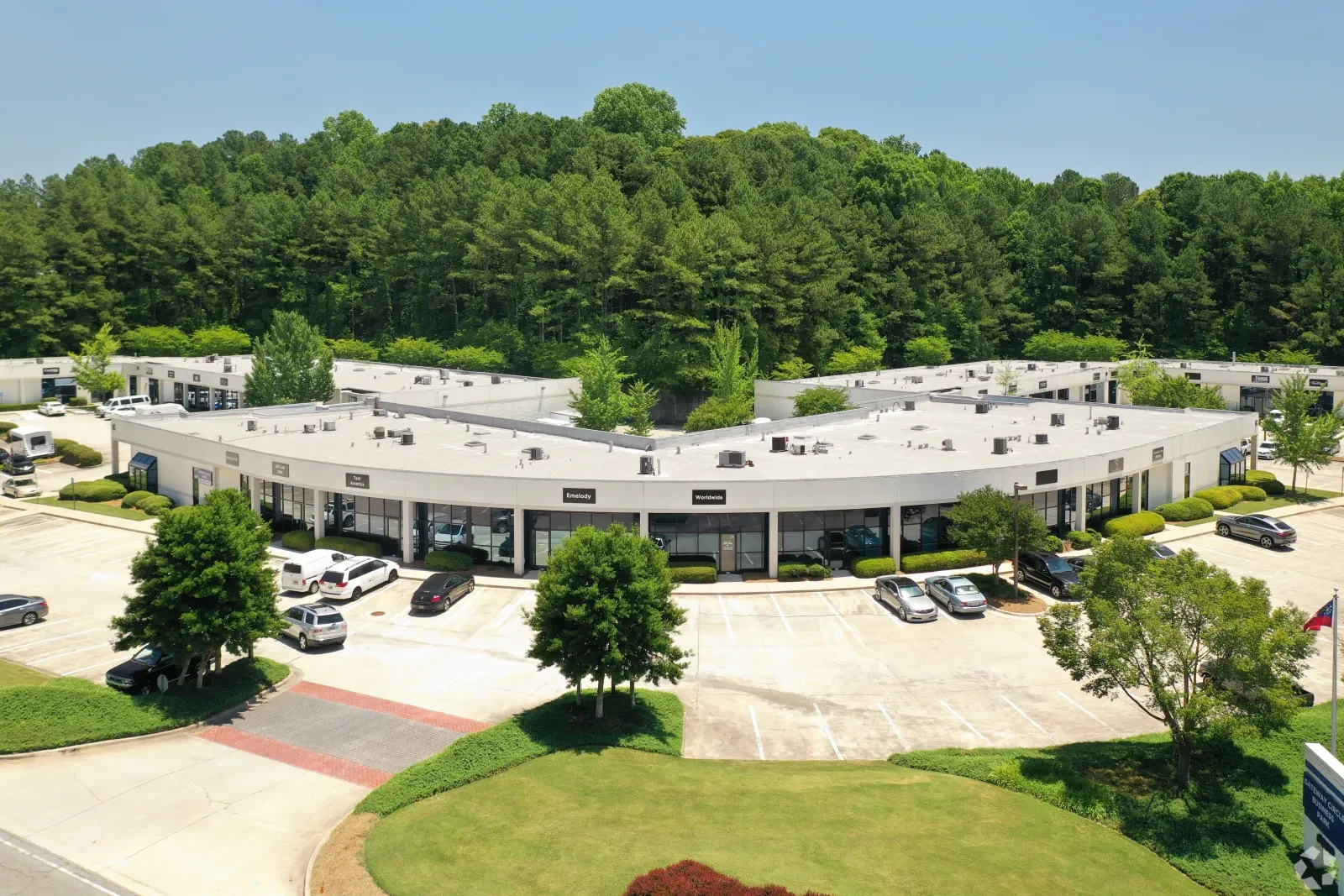
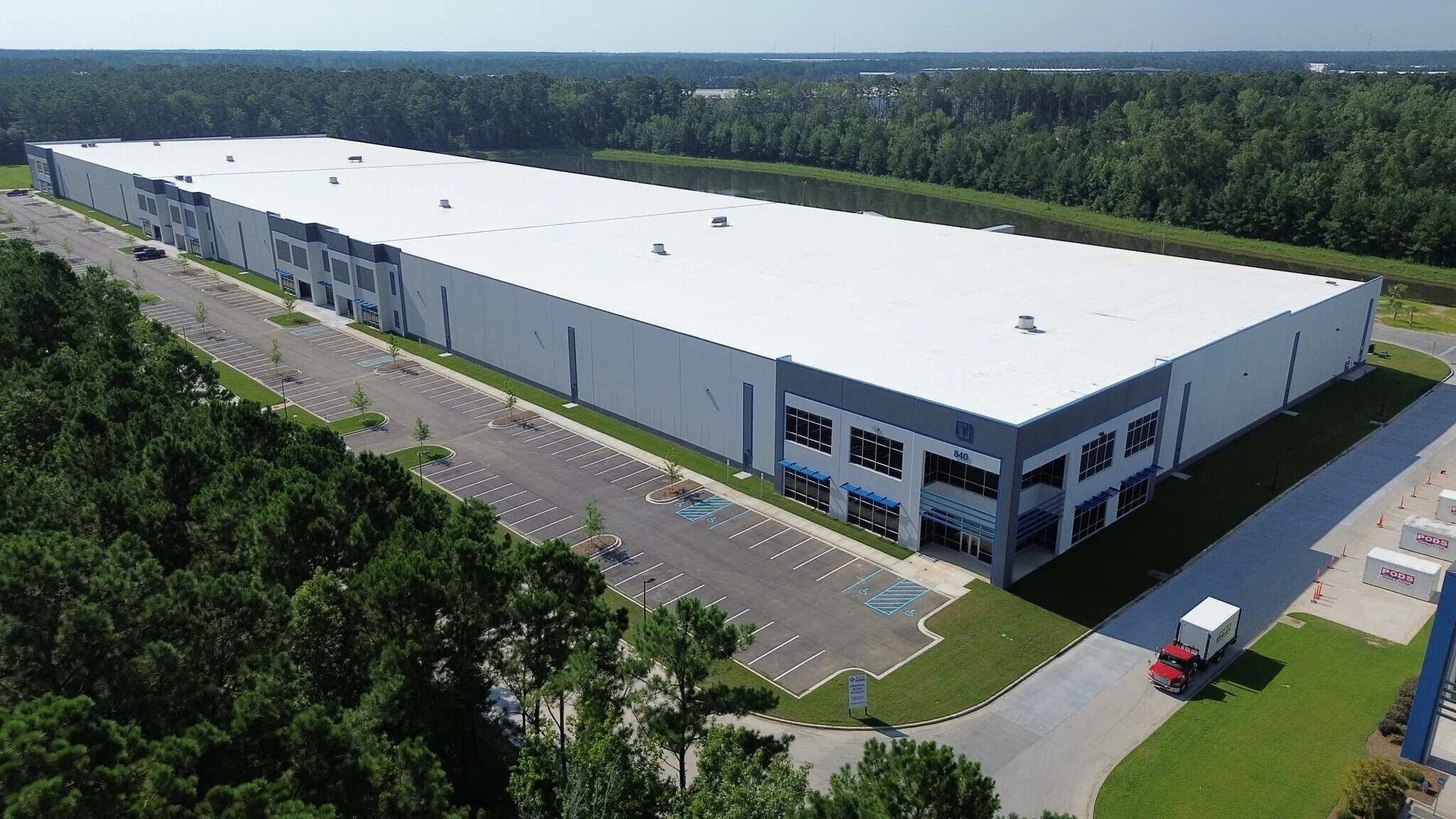
Roofing Around Loading Dock Hours, Not the Other Way Around
Fort Smith's position at the I-40 and I-49 junction, with ArcBest headquartered here and freight moving through the corridor around the clock, means most of the distribution buildings we service never fully stop operating. A leak over a dock door or a staged pallet load isn't a maintenance inconvenience, it's a claim waiting to happen. We schedule around your freight, not the reverse.
Big Roofs, Low Slope, High Consequence
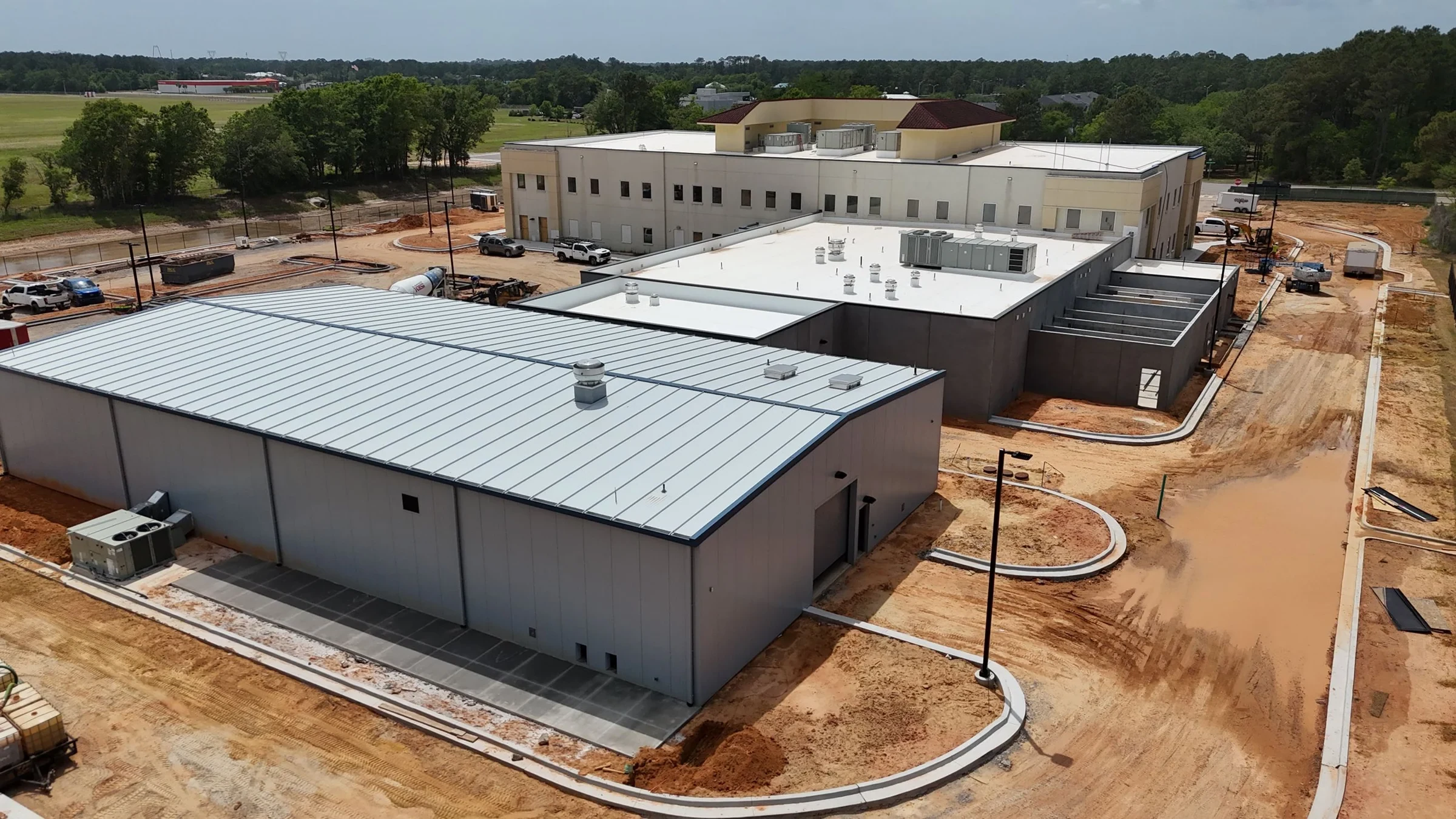
Distribution centers along the I-40 corridor tend to share the same profile: large single-story footprints, low-slope membrane roofs, and a dense field of skylights and roof hatches positioned directly over active dock and staging areas. Every skylight is a known leak point over time as the seal ages, and on a warehouse roof that's not a cosmetic issue, it's product damage sitting on pallets below.
We inspect skylights and roof-drain assemblies as a standard part of any distribution center walk-through, because those are consistently where we find the first signs of trouble, well before the field membrane itself shows wear.
Working Around Dock Schedules and Freight Security
Warehouse and cross-dock operations run on tight appointment windows for inbound and outbound trailers, and a roof crew staging materials in the wrong spot can back up a dock queue fast. We coordinate laydown areas away from active dock doors and confirm access windows with your operations team before a crew arrives, not the morning of.
Many 3PL and distribution sites also run controlled access for cargo security, with visitor logs, badge requirements, or escort rules that differ from a typical commercial job site. We build that into scheduling from the start rather than treating it as a delay once we're on site.
What We Check on Every Distribution Roof Walk
A warehouse roof inspection in this market covers the same core points on nearly every building we look at, regardless of size:
- Skylight seals and curb flashing, the most common early leak source
- Roof drains and scuppers for debris blockage that causes ponding
- Membrane condition directly above high-value or climate-sensitive storage zones
- HVAC and exhaust curb flashing near office or breakroom build-outs inside the warehouse shell
- Fall-protection anchor points for OSHA compliance during future maintenance
- Perimeter edge metal, which takes the brunt of wind uplift in open, low-slope fields
We put findings in writing with photos tied to a roof plan, so a facilities manager overseeing several sites can compare conditions across a portfolio without climbing every ladder personally. That written record also becomes useful later if a tenant or freight partner ever questions whether a specific roof condition existed before a particular shipment or storage period.
Ponding Water and Drainage on Flat Warehouse Roofs
Large low-slope roofs are prone to ponding wherever the original tapered insulation has settled or drains have been undersized for the roof area. Standing water shortens membrane life and adds structural load the building wasn't necessarily designed to carry long-term. On distribution centers, we map ponding areas against the drain layout and recommend targeted tapered insulation additions or drain modifications rather than a full reroof when the membrane itself is still sound.
Wind is the other factor specific to this corridor. Open industrial parks with few windbreaks see higher sustained gusts across the roof field during spring storm systems, which is part of why attachment method and edge detail get as much attention from us as membrane selection.
Multi-Site Portfolios and Preventive Scheduling
3PL operators and logistics companies running more than one Fort Smith-area facility, or facilities spread across the I-40 corridor into Oklahoma, generally do better on a scheduled inspection cadence than a reactive call-when-it-leaks approach. We can walk multiple sites on a single trip and deliver a consolidated condition report, which makes budgeting roof capital across a portfolio a lot more predictable than surprise emergency repairs.
We size that reporting to whatever your internal facilities process needs, whether that's a simple photo log or a more detailed condition score by roof section, and we're glad to adjust the format if a corporate office has a preferred template for portfolio-wide reporting.
Distribution and Logistics Roofing Questions
Can you work without disrupting dock operations?
Yes. We confirm dock schedules and staging locations with your operations contact before a crew arrives and keep materials and equipment clear of active dock doors throughout the job.
Do you handle sites with cargo security or badge-access requirements?
We work within whatever access control your site requires, including visitor logs, escort requirements, or advance-notice badging. Let us know the specific process during scheduling and we'll plan crew arrival accordingly.
What's the most common leak source on a warehouse roof here?
Skylight seals and curb flashing lead the list, followed by clogged drains and scuppers that cause ponding. Both are inexpensive to address early and expensive to ignore once water starts tracking under the membrane.
How do you handle ponding water on a flat roof?
We map where water collects against your drain layout and recommend the most targeted fix, whether that's added tapered insulation, additional drains, or in some cases just clearing debris that's been blocking flow. A full reroof isn't always the answer.
Can you inspect multiple facilities on one visit?
If your sites are within reasonable driving distance of each other along the corridor, yes, and we'll deliver one consolidated report so you can compare conditions and prioritize budget across the portfolio instead of handling each site in isolation.