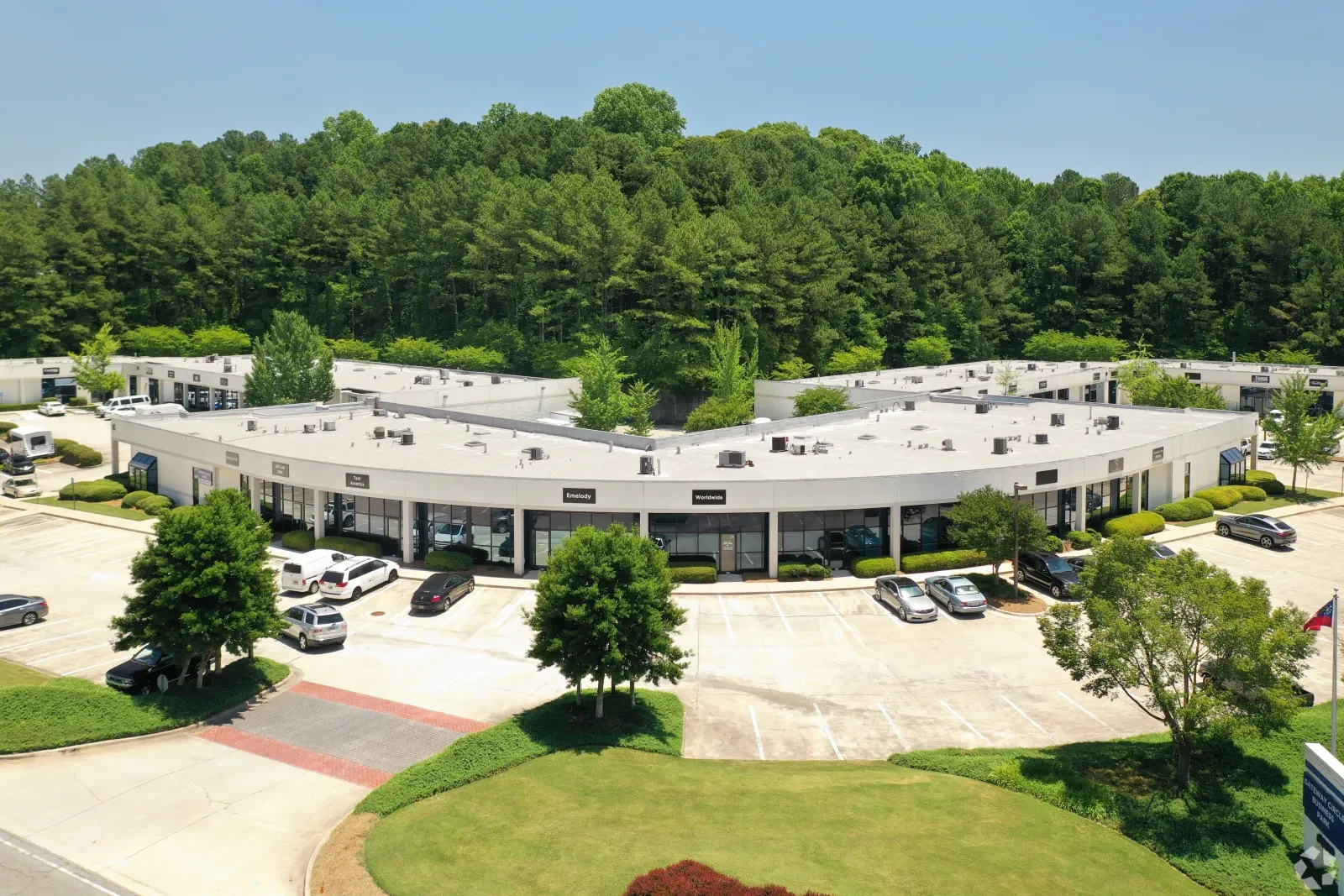
One Call for Every Roof in Your Fort Smith Portfolio
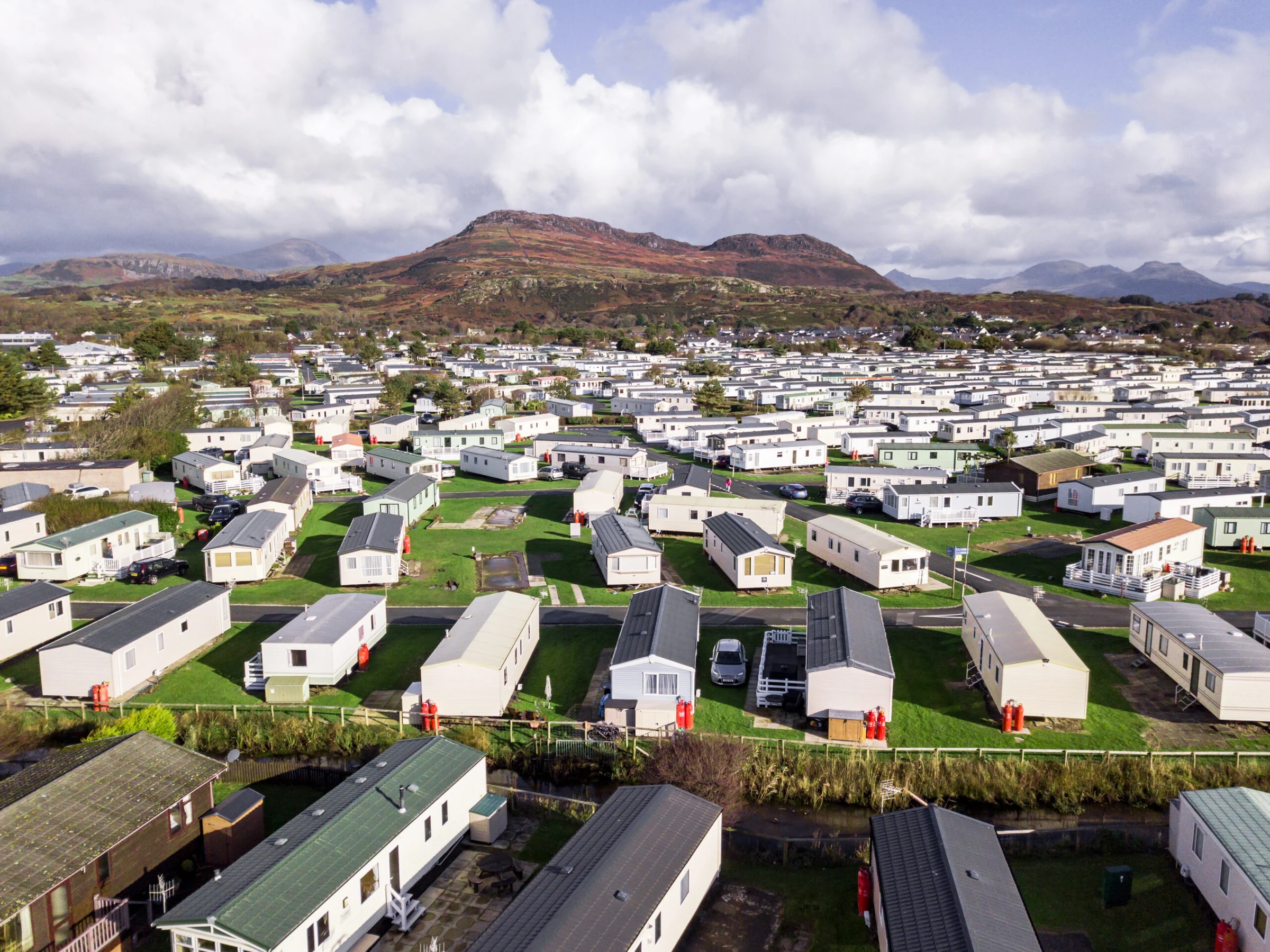
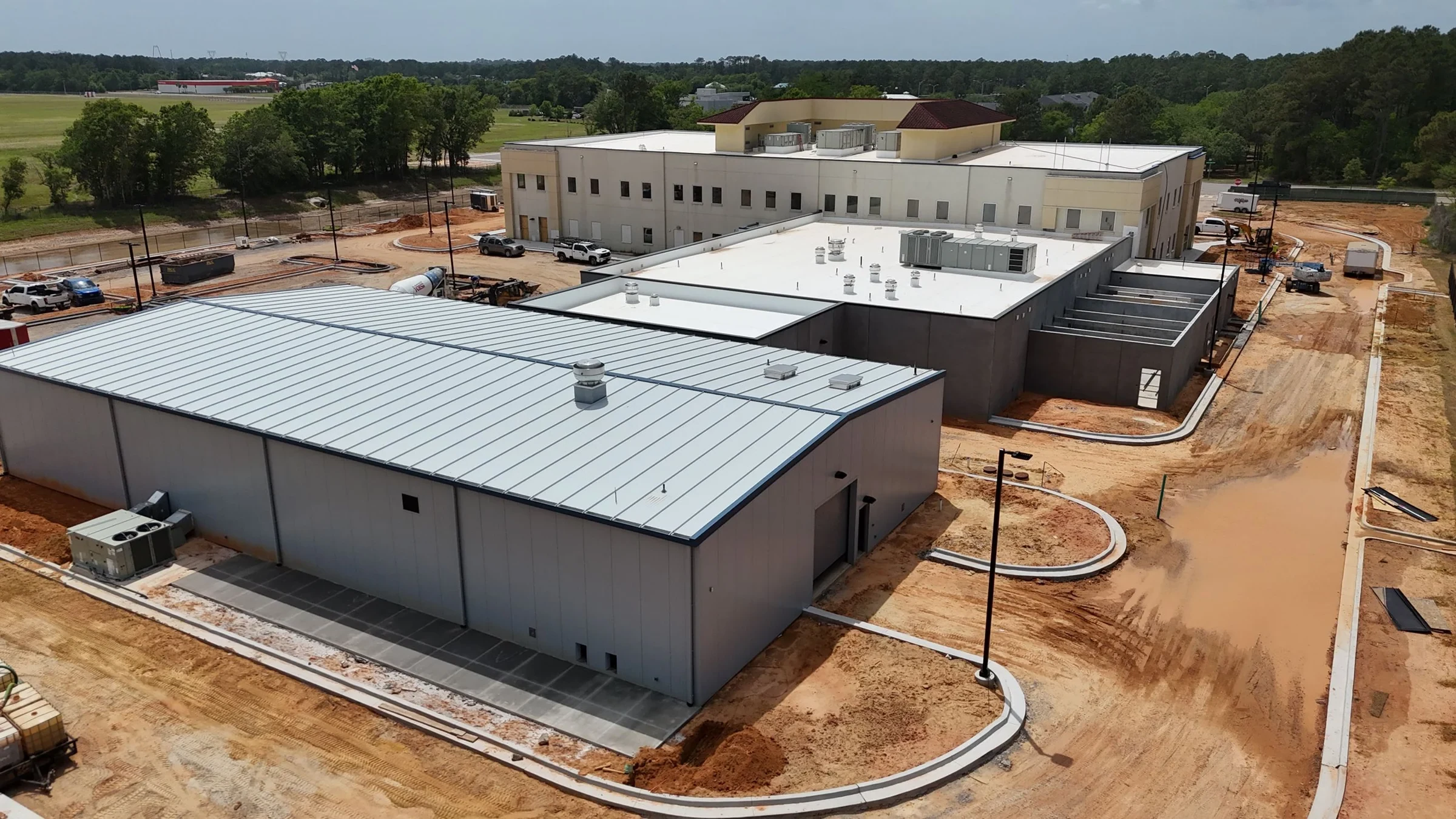
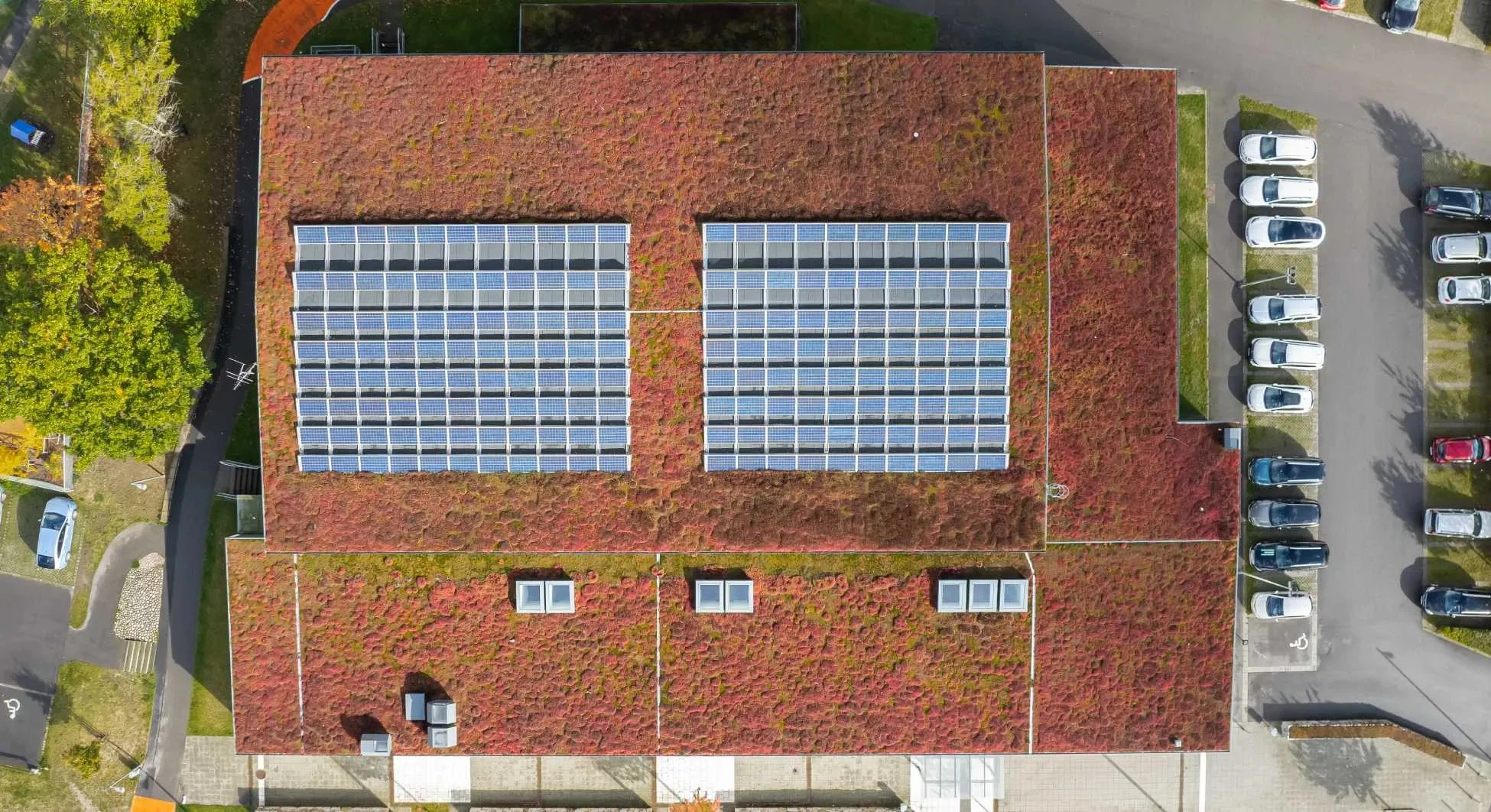
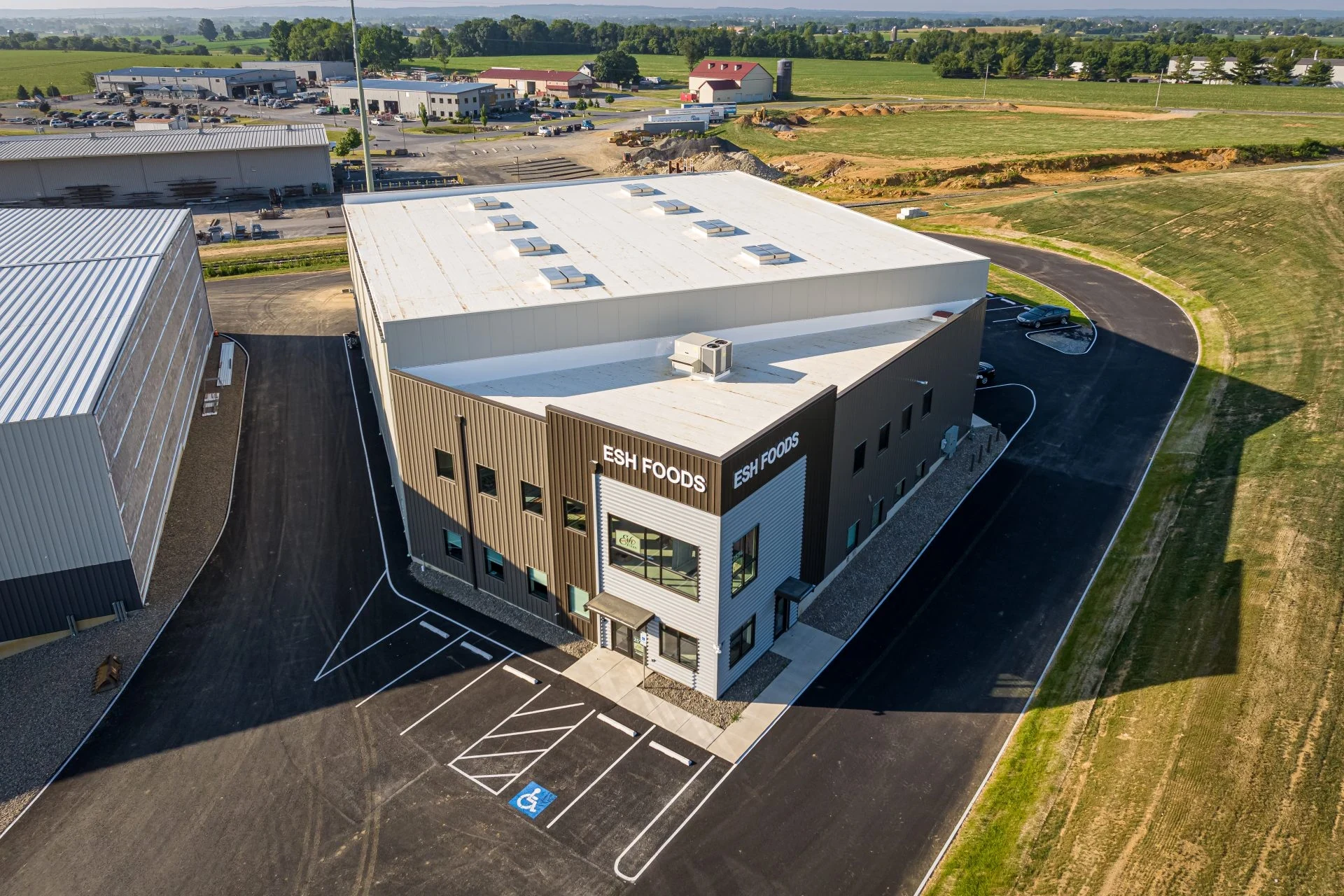
Property management firms don't have time to vet a new roofer every time a tenant calls in a leak at a different building. We work with Fort Smith-area management companies as a standing resource across a whole portfolio, so the same crew that knows one property's roof history is the crew that answers when the next building has a problem.
The Gap Between Reactive Calls and a Real Maintenance Plan
Most property managers end up on a reactive cycle by default: a tenant reports a leak, someone gets dispatched, the immediate issue gets patched, and the underlying roof condition never gets a full look until the next leak call. That pattern costs more over time than a scheduled inspection cadence would, because small issues that could have been caught early turn into larger repairs, and tenant complaints pile up in the meantime.
We push our management-company clients toward at least an annual roof walk across their portfolio, timed ideally before spring storm season, so we're finding problems on our terms instead of a tenant finding them during a downpour.
Budgeting Roof Capital Across Multiple Buildings
A management firm overseeing a mixed portfolio of retail strips, office buildings, and light industrial space is working with owners who each have different tolerance for capital spending and different timelines for their hold period. We provide condition reports building by building, ranked by urgency, so a portfolio manager can go into an owner conversation with real numbers instead of a general sense that the roof needs work. Owners respond better to a specific finding tied to a photo than to a broad statement that maintenance is overdue, and that difference often decides whether a capital request gets approved this cycle or gets pushed off again.
That ranking also helps when budget doesn't stretch to cover every building in a given year. We'll tell you plainly which roofs can wait another cycle and which ones carry real risk of interior damage if they're deferred again, and we'll explain the reasoning in terms an owner without a construction background can follow.
What Property Managers Get From Us on a Standing Basis
Firms that keep us on as a recurring roofing resource across their portfolio typically rely on us for:
- Priority response scheduling for active tenant leak calls
- Annual or semi-annual condition walks across every property in the portfolio
- Written, photo-documented reports usable in owner budget conversations
- Coordination directly with tenants when lease terms require landlord notification of access
- Consistent pricing and scope documentation across every property, not building-by-building guesswork
- Emergency tarp and dry-in response after storm events, prioritized across the portfolio by actual damage severity
That consistency matters more than it sounds like it would. A management firm juggling a dozen owners doesn't want a dozen different roofing vendors with a dozen different reporting formats.
Tenant Coordination Without the Runaround
Roof leaks affecting an occupied tenant space create urgency on both sides, the tenant wants it fixed immediately and the owner wants documentation before authorizing spend. We work directly with tenants to schedule access and understand the immediate problem while keeping the management company's authorization process moving in parallel, so the tenant isn't waiting on paperwork to get a tarp over an active leak.
For lease situations where roof responsibility is disputed or unclear, we document what we find factually, without taking a side in a landlord-tenant disagreement that isn't ours to resolve.
Storm Response Across a Portfolio
When a hail or wind event hits the Fort Smith area, a property manager overseeing multiple buildings needs to know quickly which properties actually sustained damage and which just look concerning from the ground. We can run a rapid post-storm assessment across a portfolio and prioritize response by real severity, so emergency dry-in resources go to the roof that's actively leaking rather than the one that only has cosmetic hail marking.
We also keep dated pre-storm condition photos on file for properties we service regularly, which speeds up the documentation process significantly when a claim needs to move fast and an owner is waiting on an answer before authorizing repair spend.
Property Management Roofing Questions
Can you be our standing roofing vendor across an entire portfolio?
Yes, that's how most of our management-company relationships work. We get familiar with every property's roof history so response and reporting stay consistent no matter which building calls in.
How fast can you respond to a tenant leak call?
Response time depends on severity and current job load, but active leaks affecting an occupied tenant space get priority scheduling. We'll give you a realistic window when the call comes in rather than an optimistic one we can't hit.
Do you provide reports we can use with individual property owners?
Yes. Our reports are written and photo-documented specifically so they're usable in an owner budget conversation rather than internal notes for our own file.
How do you prioritize which roofs get attention first after a storm?
We assess actual damage severity across the portfolio, not building size or visibility, and route emergency dry-in resources to roofs with active leaks first.
Can you coordinate directly with tenants without slowing down the owner authorization process?
We handle tenant scheduling and initial assessment in parallel with your authorization process, so the tenant sees action quickly while the paperwork moves on its own track without either side waiting on the other unnecessarily.