Reroofing Decisions for Fort Smith's Industrial Building Stock
Fort Smith carries a lot of roof age at once. Plants that opened decades ago sit a few miles from newer distribution buildings going up around Chaffee Crossing, and both categories eventually reach the point where patching stops making financial sense. We walk facility managers through what a reroof actually requires before anyone signs a contract, so the budget conversation is grounded in the real condition of the roof, not a guess.
Reading a Roof Past Its Patch-and-Repair Window
A roof tells you it is done long before it fails outright. Recurring leaks that reopen a few feet from the last repair, granule loss down to bare mat on modified bitumen, membrane that has gone brittle and cracks when you walk it, and wet insulation showing up in core cuts are all signs that repair dollars are being spent on a system that will not give much more service life back. When we get called out for a fourth or fifth repair on the same field, that is usually the conversation that needs to happen.
Storm cycling speeds this up. A roof that would otherwise have a few more years in it can get pushed into replacement territory faster after a hard hail season or a wind event that lifts field seams, especially on the older built-up and gravel roofs still common on downtown warehouse buildings. Age on the calendar and age on the membrane are not always the same number here.
Tear-Off or Recover: How We Make the Call
Recover only works when the existing roof gives us something solid to build on: a dry substrate, a deck that still tests sound, and a code allowance for another layer. We confirm that with a moisture scan and deck inspection before recommending it, not a walk-around guess. On a single-layer roof with no wet insulation, recover can save real money and disruption.
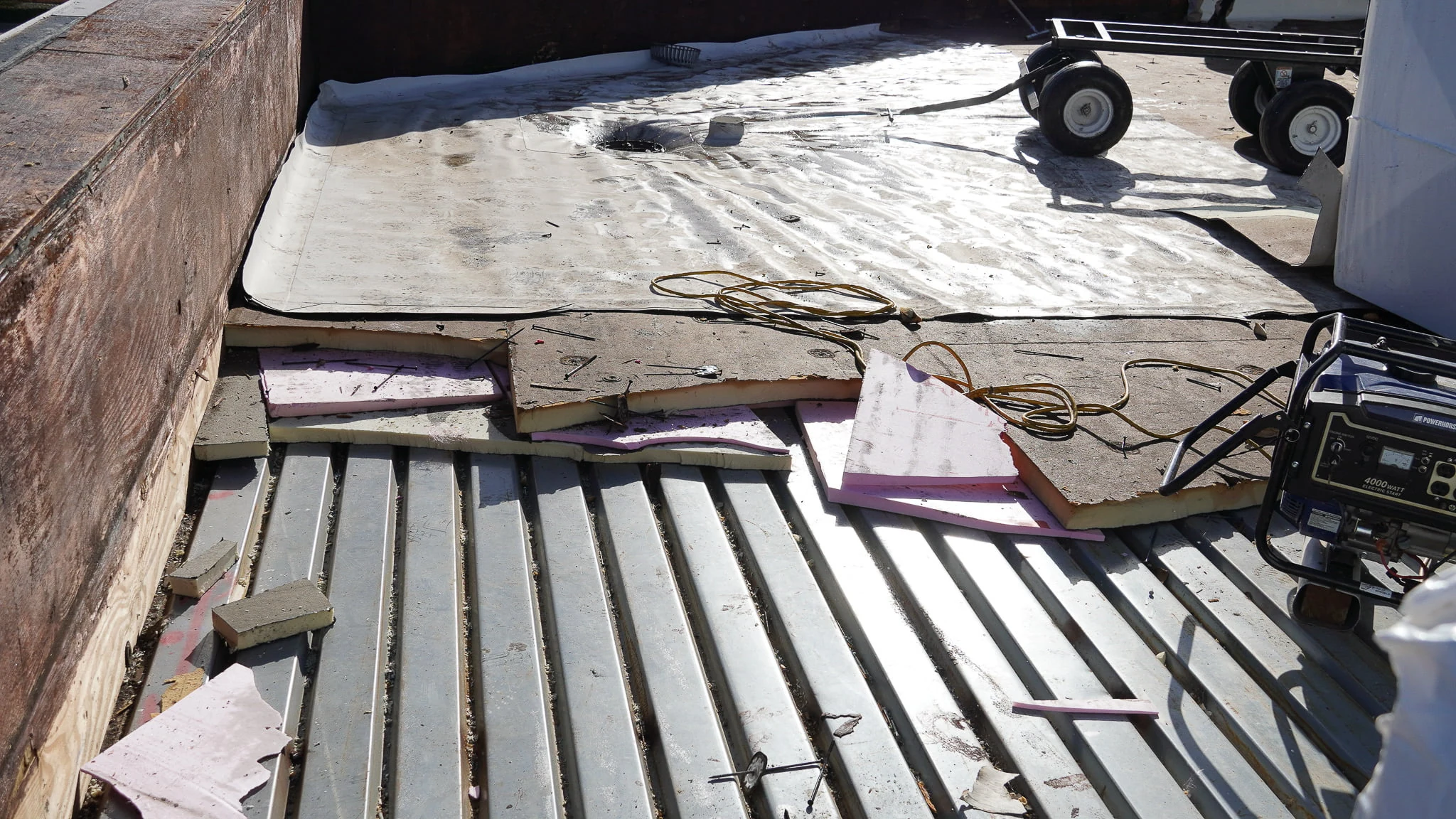
Tear-off becomes the only honest option once insulation is saturated, the deck shows deterioration, or we find multiple legacy layers stacked from past repairs, which is common on older manufacturing buildings near longtime employers like the Rheem and Baldor/ABB plants. Building on top of a wet or failing base just moves the problem under a new membrane where it is harder to find.
Scheduling a Reroof Around an Operating Terminal or Plant
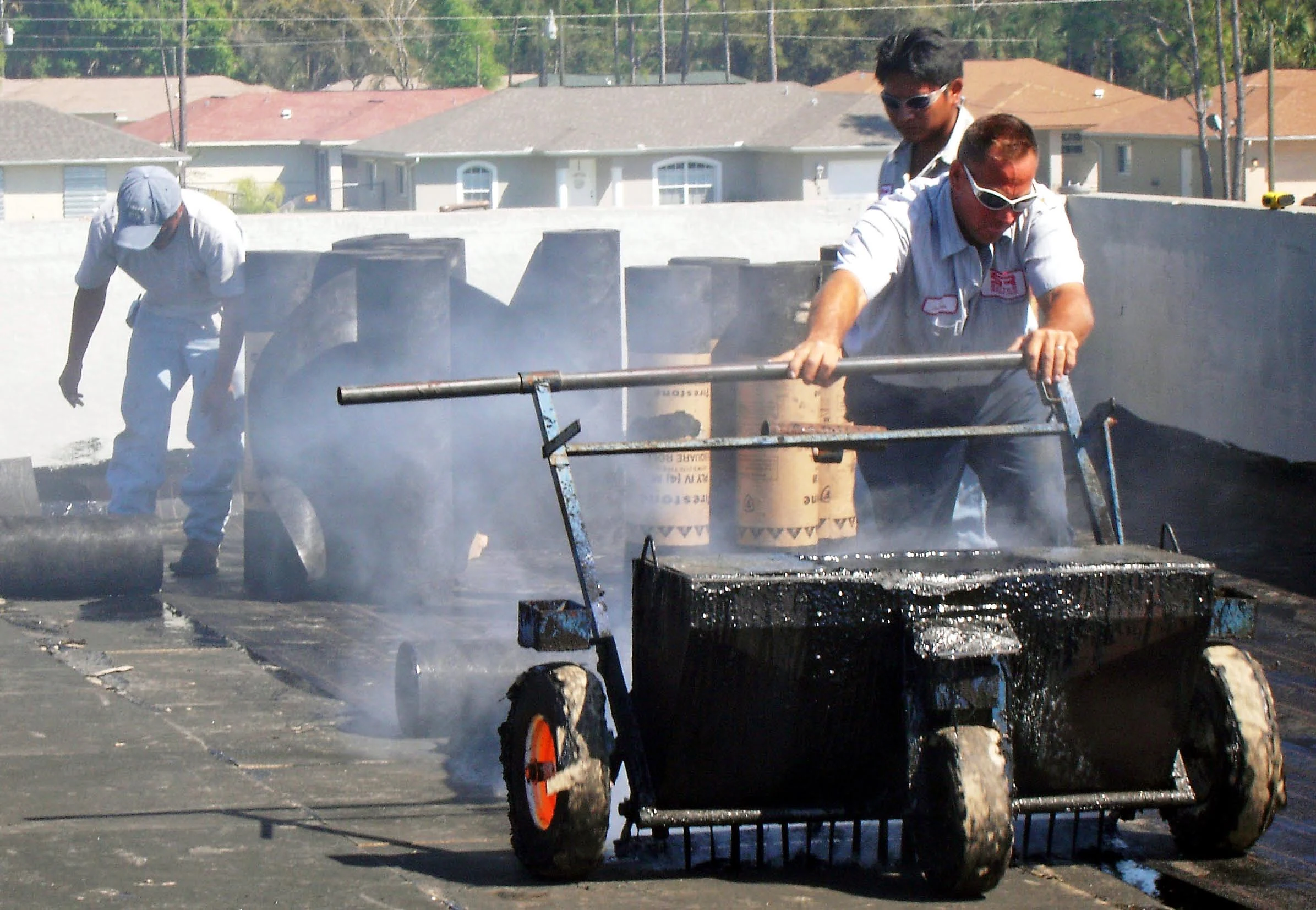
Most of the buildings we reroof here do not get to shut down for the project. A trucking terminal near the ArcBest network still has trailers backed into docks every day, and a manufacturing plant still has production lines running underneath. We phase the work in sections, keep loading dock areas clear during active hours, and coordinate staging with whoever runs the yard so material deliveries and roof deliveries are not fighting for the same gate.
Weather windows matter more here than in a lot of markets. Spring storm season can shut down open-membrane work with little warning, so we sequence tear-off and dry-in in smaller daily sections rather than opening more roof than we can close by dark.
Choosing a System for Wind and Hail Exposure
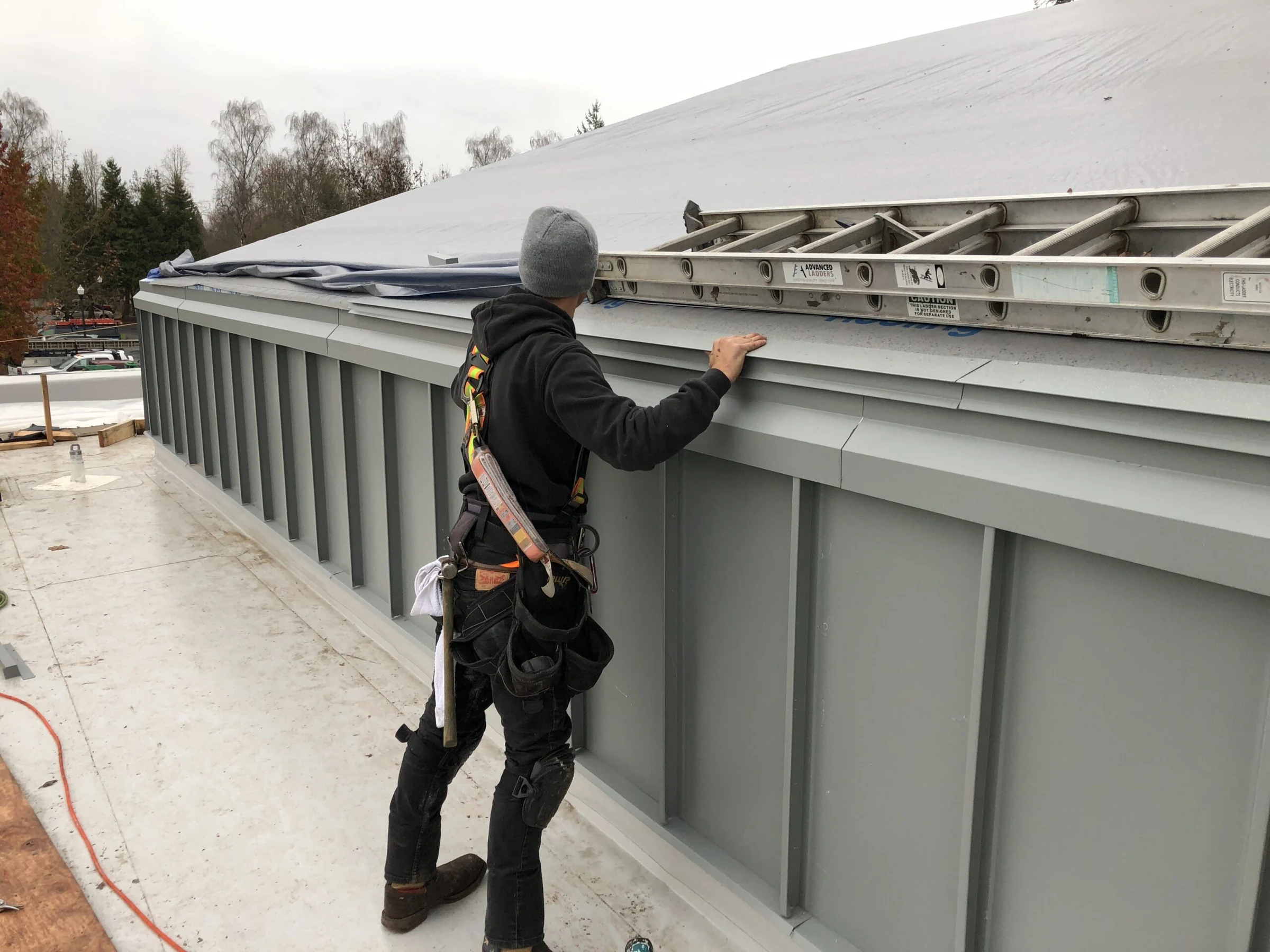
Perimeter and corner zones take the worst of it in a wind event, so fastening patterns get tightened at parapets, edges, and corners regardless of which membrane we are installing. That detail matters more on a low-slope roof in this part of the state than almost anything else in the spec.
Membrane thickness and hail resistance get weighed against budget honestly. A thicker TPO or a fleece-backed system costs more up front but holds up better against the freeze-thaw and hail combination that shows up here most winters and springs. We lay out the tradeoffs instead of defaulting to whichever system is easiest to sell.
What a Fort Smith Reroof Project Covers
A full reroof scope on a mid-size industrial or commercial building typically includes the following work, in the order it gets done:
- Deck inspection and moisture scan before any tear-off begins
- Tear-off and disposal of the existing membrane and wet insulation
- Insulation upgrade to meet current energy code where required
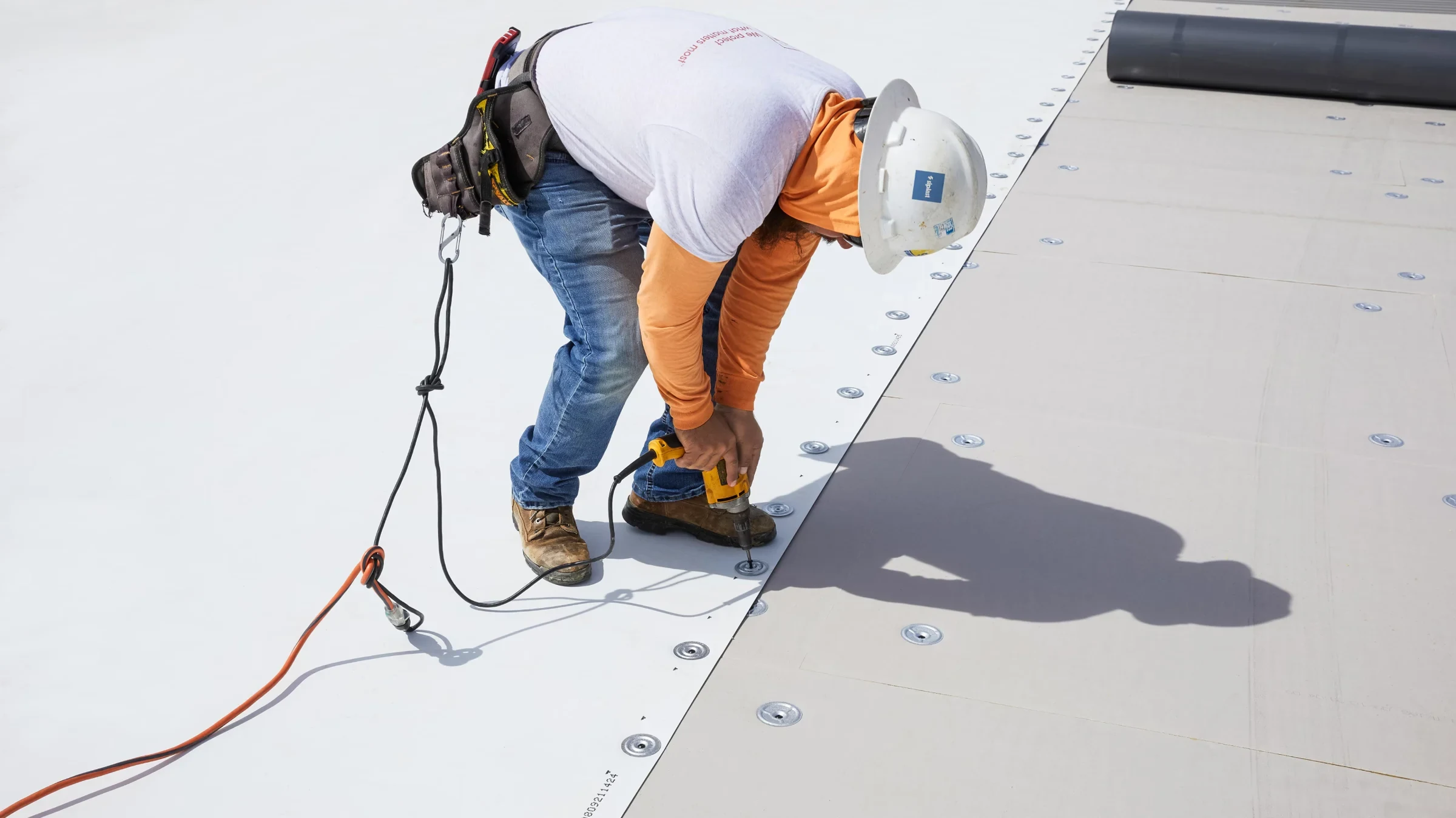
- New membrane installation with enhanced fastening at perimeter and corner zones
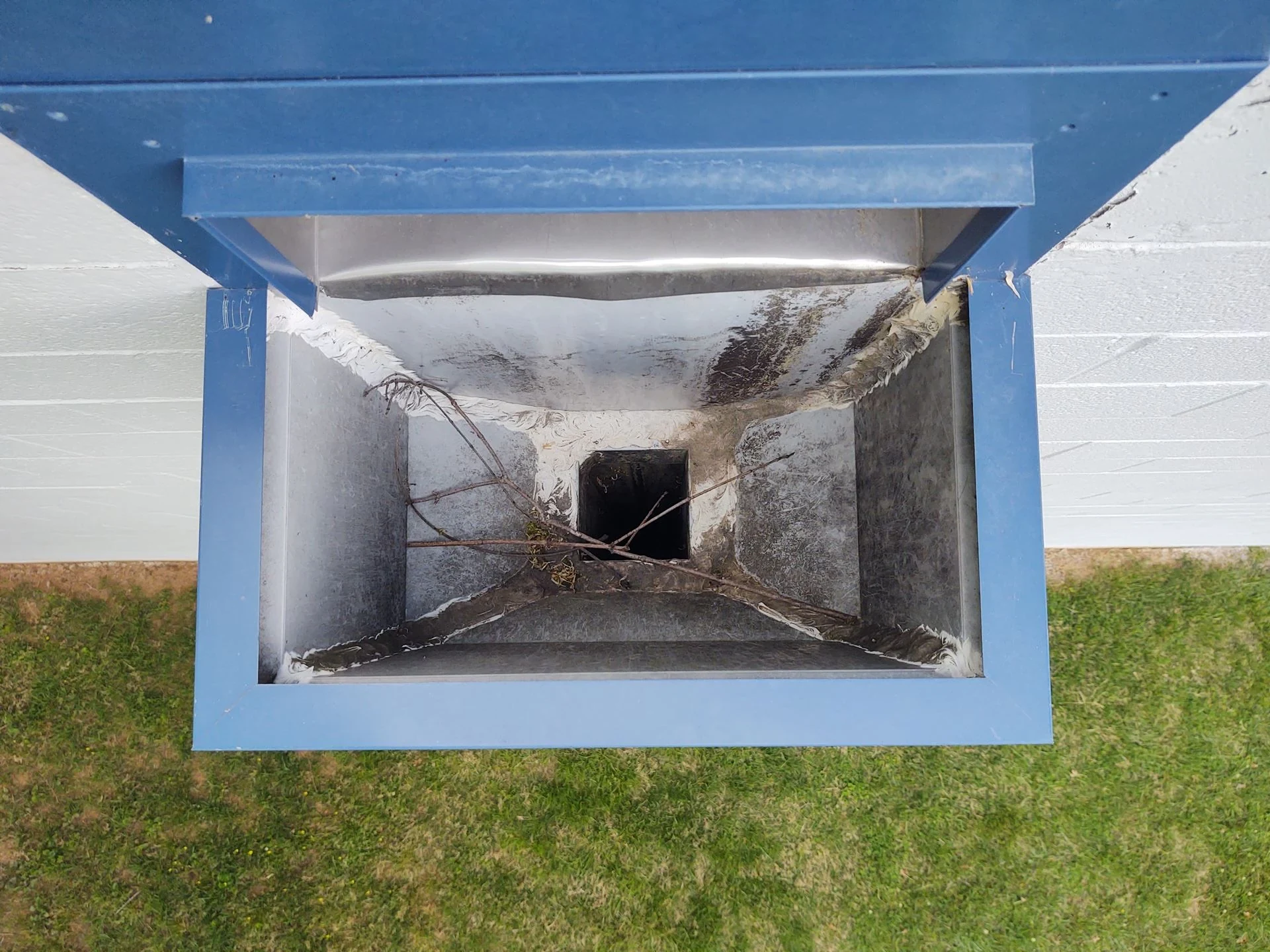
- Replacement edge metal, coping, and flashing at all terminations
- Walkway pads installed along access routes to rooftop HVAC and mechanical equipment
Reroofing Questions We Hear From Fort Smith Facility Managers
How long does a reroof take on a mid-size industrial building?
It depends on square footage, deck condition, and weather, but a building in the 30,000 to 60,000 square foot range usually runs several weeks from tear-off to final flashing, sequenced in daily sections that stay dried in overnight.
Can our facility stay operational during a reroof?
In most cases, yes. We plan the phasing around your loading dock schedule, production hours, or terminal traffic so the work moves through sections rather than opening the whole roof at once.
What happens if the deck is wet under the existing membrane?
Wet or deteriorated deck sections get replaced before any new roofing goes down. We flag this during the pre-project inspection so it is priced into the scope up front instead of surfacing as a surprise change order mid-project.
Does a full tear-off automatically include new insulation?
Existing insulation is evaluated for moisture content and R-value. Dry insulation in good condition can sometimes stay in place under new cover board, but saturated or code-deficient insulation gets replaced as part of the tear-off scope.
How do you handle projects near the Ebbing Air National Guard Base or an active truck terminal?
We coordinate access, staging, and noise-sensitive work windows directly with site operations. Facilities near flight operations or heavy truck traffic get a written phasing plan before work starts so there are no surprises on either side.