Silicone Roof Coating for Roofs That Aren't Ready to Be Replaced
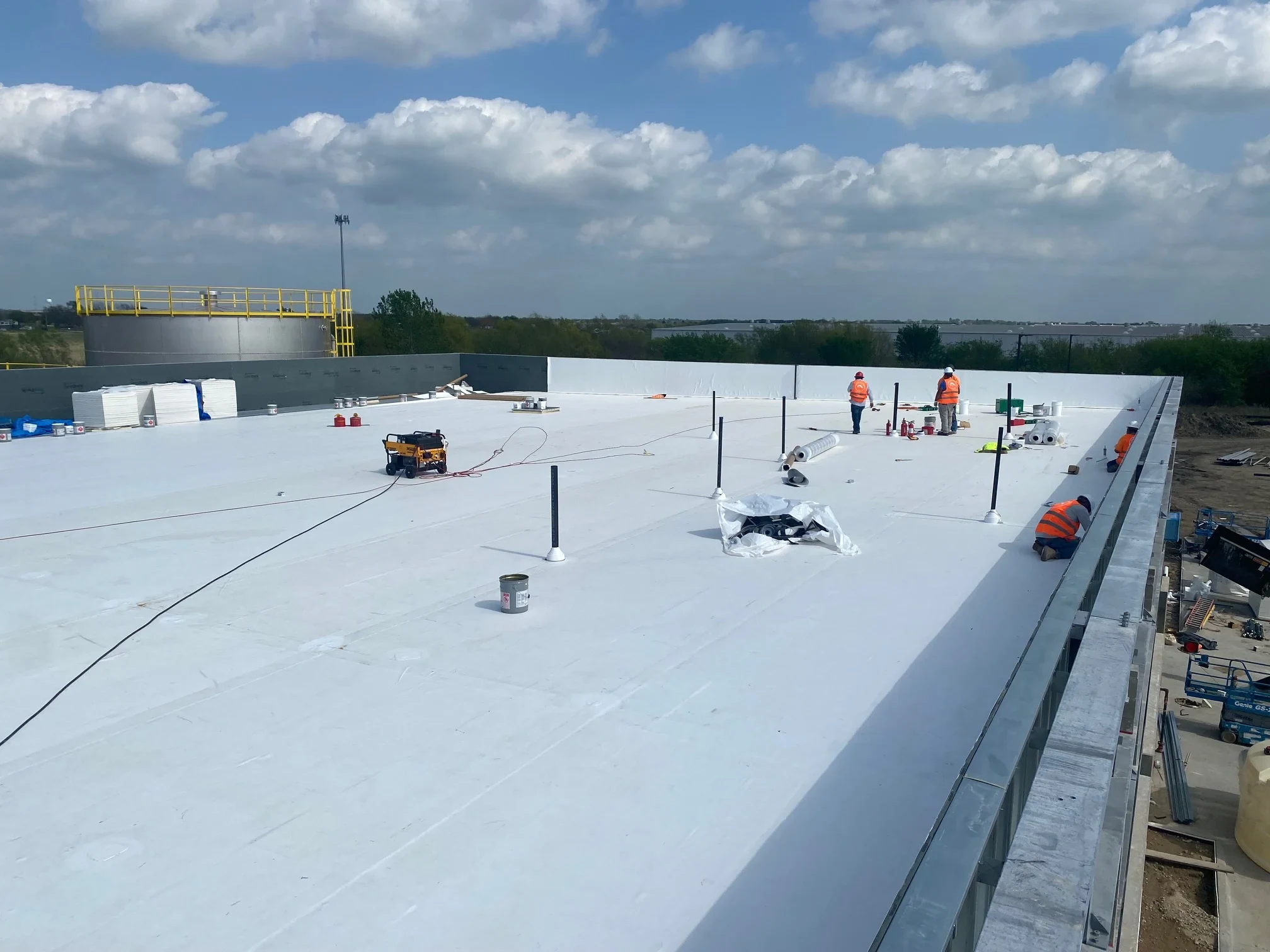
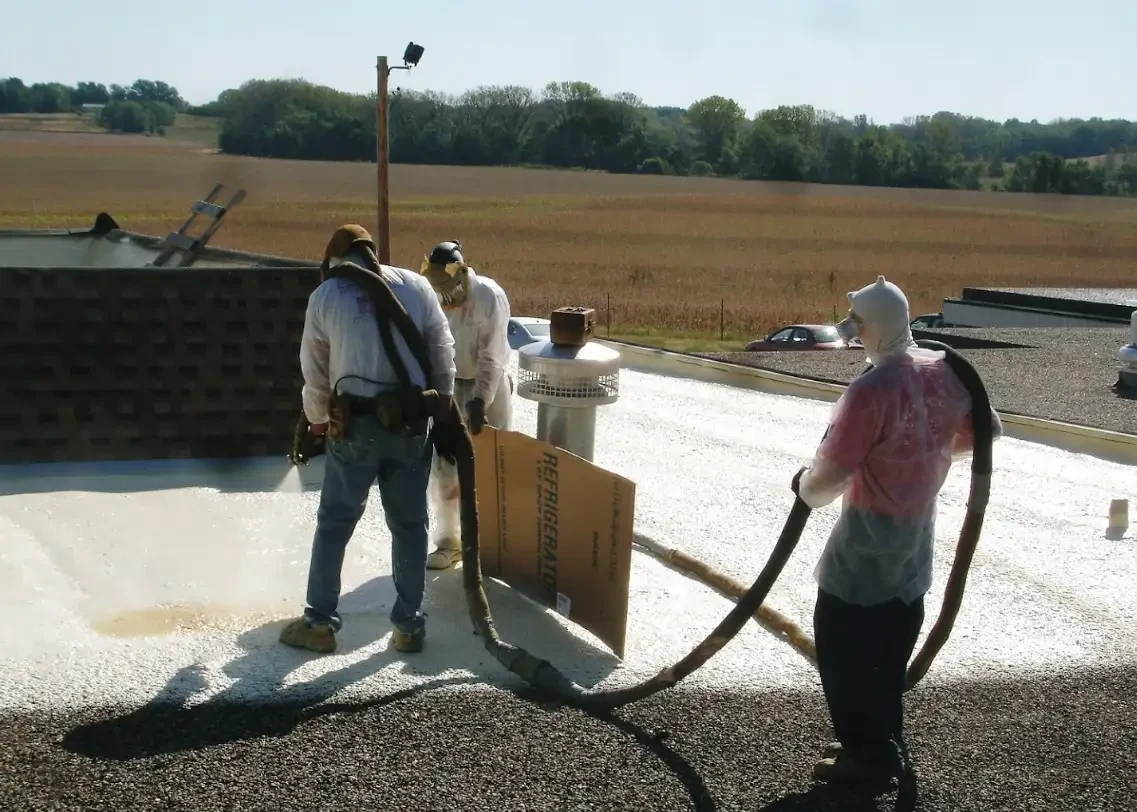
Silicone coating is a maintenance and life-extension tool, not a replacement for a failing roof system. On a Fort Smith building with sound insulation, a structurally intact membrane, and a few more years of useful life left in it, a silicone coating can extend that service life meaningfully for a fraction of a full re-roof cost. We are careful to tell owners when a roof has moved past that point and needs actual replacement instead.
Where Silicone Coating Fits
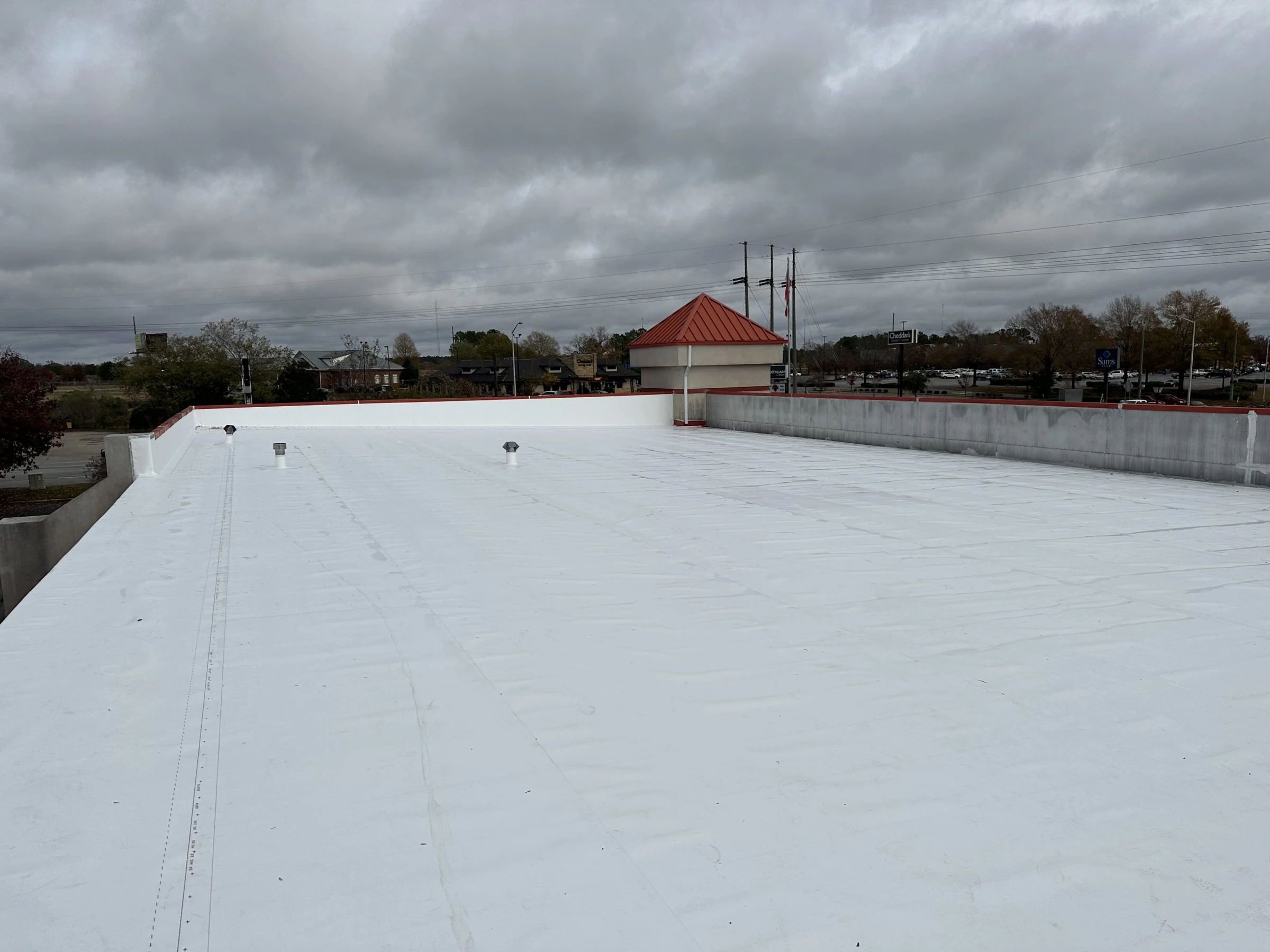
We inspect the existing roof before recommending a coating job , deck condition, insulation moisture, membrane seam integrity, and drainage all factor into whether a coating is the right call. On aging TPO, EPDM, or modified bitumen roofs that are still structurally sound but showing UV wear, chalking, or minor surface degradation, silicone coating restores a protective, reflective surface and buys real additional years before replacement becomes necessary.
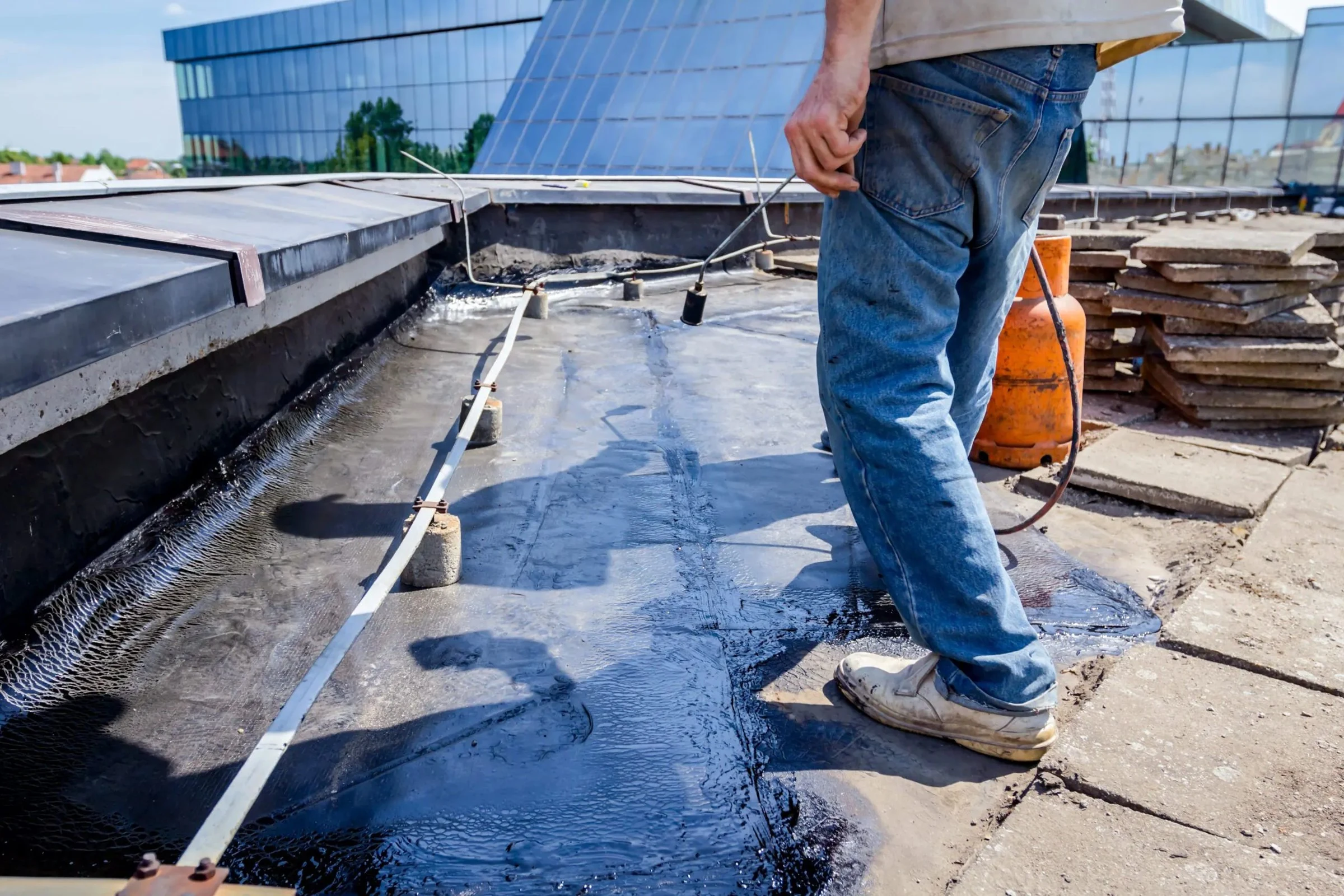
What silicone coating does not fix: a failing deck, wet insulation, structural seam separation, or a membrane that has moved past the point of adhesion. We test for trapped moisture with infrared scanning or core cuts before recommending a coating, because coating over wet insulation just seals the problem in and lets it keep degrading out of sight. On buildings where we find isolated wet areas, cutting out and replacing just that section of insulation before coating the rest of the roof is often the more cost-effective path than a full tear-off.
Ponding Water Resistance
Silicone coating has a real advantage over acrylic and most other roof coatings: it tolerates standing water without degrading, which matters on Fort Smith roofs with low-slope drainage or design ponding that never fully clears after a rain event. Many commercial roofs in this market, particularly older buildings with less-than-ideal drainage design, hold water in isolated spots for a day or more after storms. Silicone coating handles that exposure far better than acrylic, which can soften or lose adhesion under sustained ponding.
UV and Summer Heat Performance
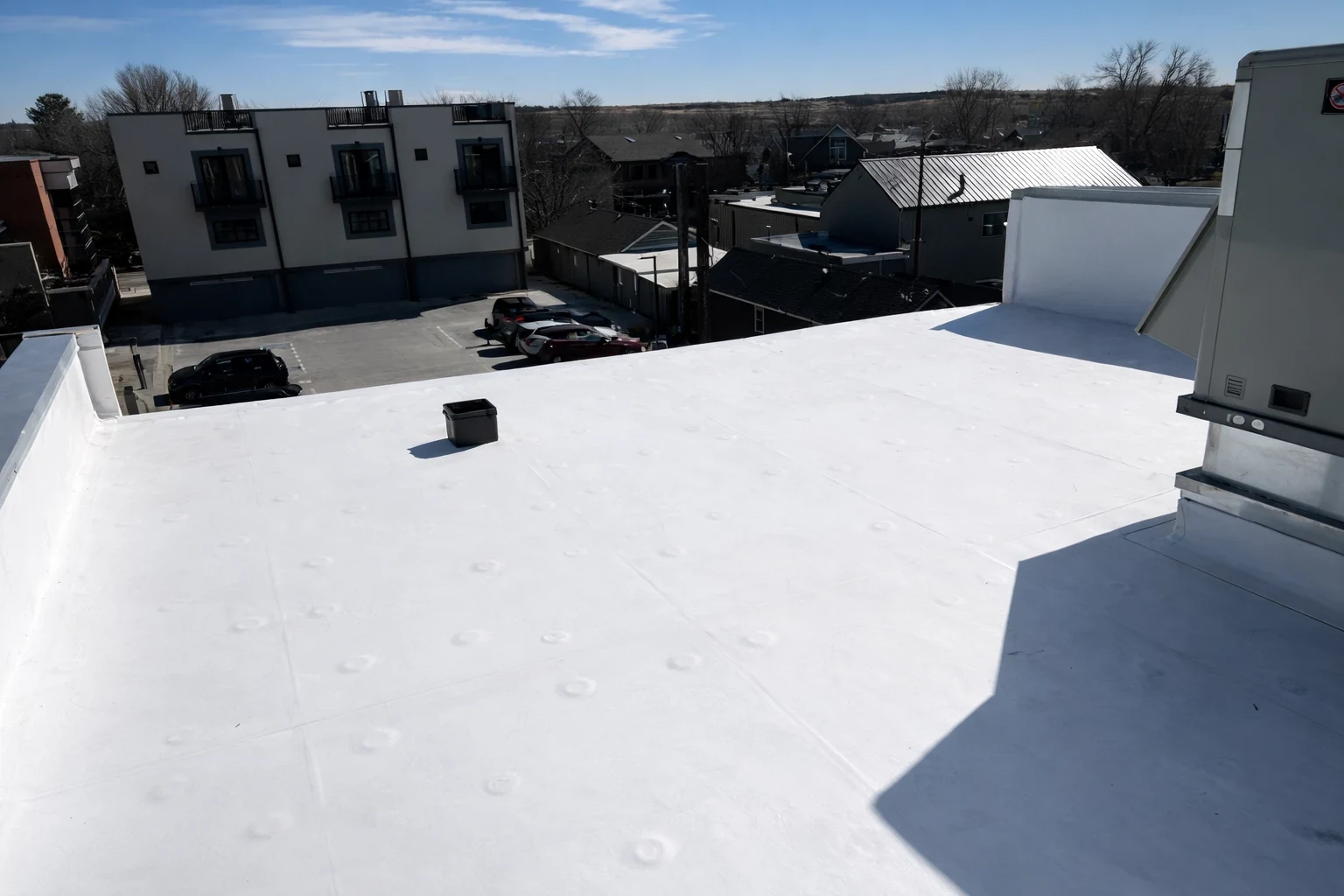
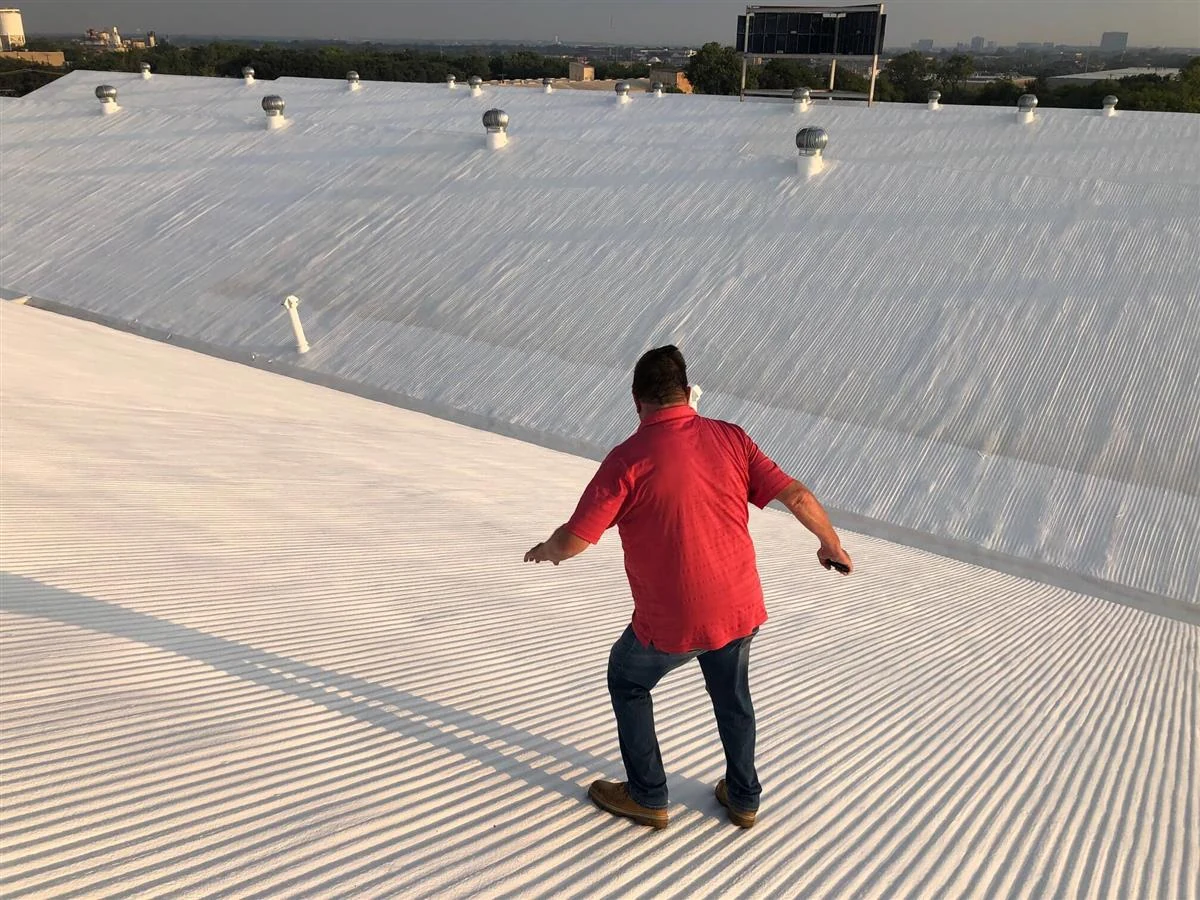
Fort Smith summers put real UV load on any exposed roof membrane, and silicone coating's reflective white or light-colored finish cuts rooftop surface temperature substantially compared to an uncoated, weathered membrane. Lower surface temperature slows the thermal cycling and UV degradation that age a roof membrane over time, which is the core mechanism behind the life-extension claim , not a magic additive, just less heat and UV stress hitting the membrane day after day.
- High-solids silicone coating applied over inspected, sound existing membrane
- Excellent ponding water resistance compared to acrylic coatings
- Reflective finish to reduce rooftop UV and heat exposure
- Applied at manufacturer-specified mil thickness for warranty coverage
- Seam and flashing detail work included as part of the coating scope
- Infrared or core-cut moisture inspection before any coating recommendation
Wind and Hail Considerations
Coating adds a protective surface layer but does not change the structural wind uplift resistance of the underlying membrane and attachment system , that engineering is set by the original roof assembly, not the coating. Hail resistance improves modestly with a fresh coating layer, but coating is not a hail-mitigation strategy on its own; a membrane already weakened by prior hail damage needs repair or replacement of the compromised sections before coating, not coating over damage.
Ice-Storm and Winter Behavior
Silicone stays flexible in cold weather, which matters during the freeze-thaw cycling that western Arkansas ice storms cause at drains and low points. A well-applied silicone coating over sound flashing details holds up through winter without the cracking that a degraded, uncoated membrane surface can show after repeated freeze-thaw exposure.
Setting Honest Expectations
We do not sell coating as a permanent fix, and we do not coat a roof we believe needs replacement within the coating's expected service window just to make a sale. Every coating recommendation comes with our actual assessment of the existing roof's remaining structural life, so an owner can weigh coating cost against the eventual replacement they will still need down the road, and we put that assessment in writing rather than leaving it as a verbal impression.
Silicone Coating Questions
How do I know if my roof is a good candidate for coating instead of replacement?
We inspect deck condition, insulation moisture, and membrane integrity first. A structurally sound roof with surface wear and no trapped moisture is usually a good candidate; a roof with wet insulation or seam failure typically is not.
Does silicone coating stop existing leaks?
Coating can seal minor surface issues, but active leaks usually indicate a deeper problem , a compromised seam, damaged flashing, or deck issue , that needs direct repair before or instead of coating over it.
How does silicone compare to acrylic coating for this climate?
Silicone handles ponding water and humidity better than acrylic, which matters on Fort Smith roofs with imperfect drainage. Acrylic costs less and works fine on roofs with good drainage and no ponding history.
How long does a silicone coating typically extend a roof's life?
It varies by the condition of the existing membrane and the coating thickness applied. We give a project-specific estimate based on our inspection rather than a blanket number, since the underlying roof's condition drives the outcome more than the coating itself.
Can silicone coating be recoated again later?
Often yes, provided the substrate and prior coating are still sound at the time of recoating. We inspect and clean the surface before any recoat to confirm adhesion will hold.