Commercial Roof Inspections & Reports in Fort Smith
Commercial Roofing Services
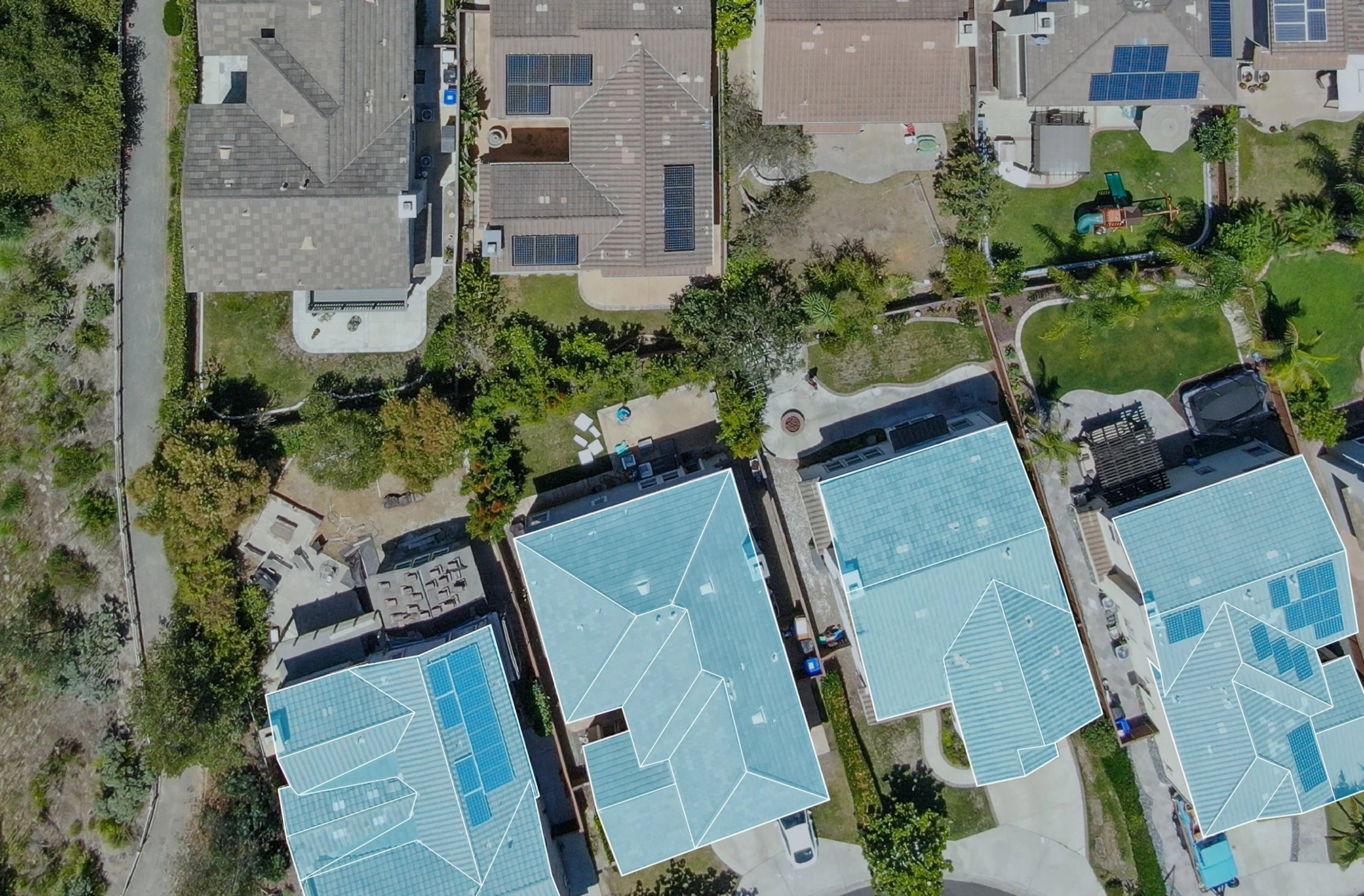
Commercial Roof Inspection and Condition Report in Fort Smith
The inspection records membrane, seams, flashings, drains, penetrations, edge metal, moisture indicators, photographs, and practical next steps in a condition report. An inspection is only useful if it tells you something you can act on. We walk the roof, document what we find with photos, and hand over findings in plain language, not a vague checklist meant to justify a repair quote. For buildings in a wind and hail corridor like this one, the timing of an inspection matters almost as much as the inspection itself.
Three Reasons to Have a Roof Inspected
Routine inspections catch slow problems before they become leak calls: aging sealant, seams starting to lift, drains partially blocked, membrane wear at high-traffic walkways. These are best done on a schedule, not reactively.
Pre-storm inspections check whether the roof is ready for what is coming, focused on loose flashing, debris near drains, and anything that wind could turn into a projectile or a failure point. Post-storm inspections happen after wind, hail, or a tornado watch has passed through, and the goal there shifts from prevention to documentation.
What We Actually Look At
Membrane condition comes first: seam integrity, surface wear, ponding evidence, and any visible punctures or bruising from hail impact. Perimeter and corner zones get extra attention because that is where wind uplift starts, particularly on parapet caps and edge metal that may have taken repeated gusts over multiple storm seasons.
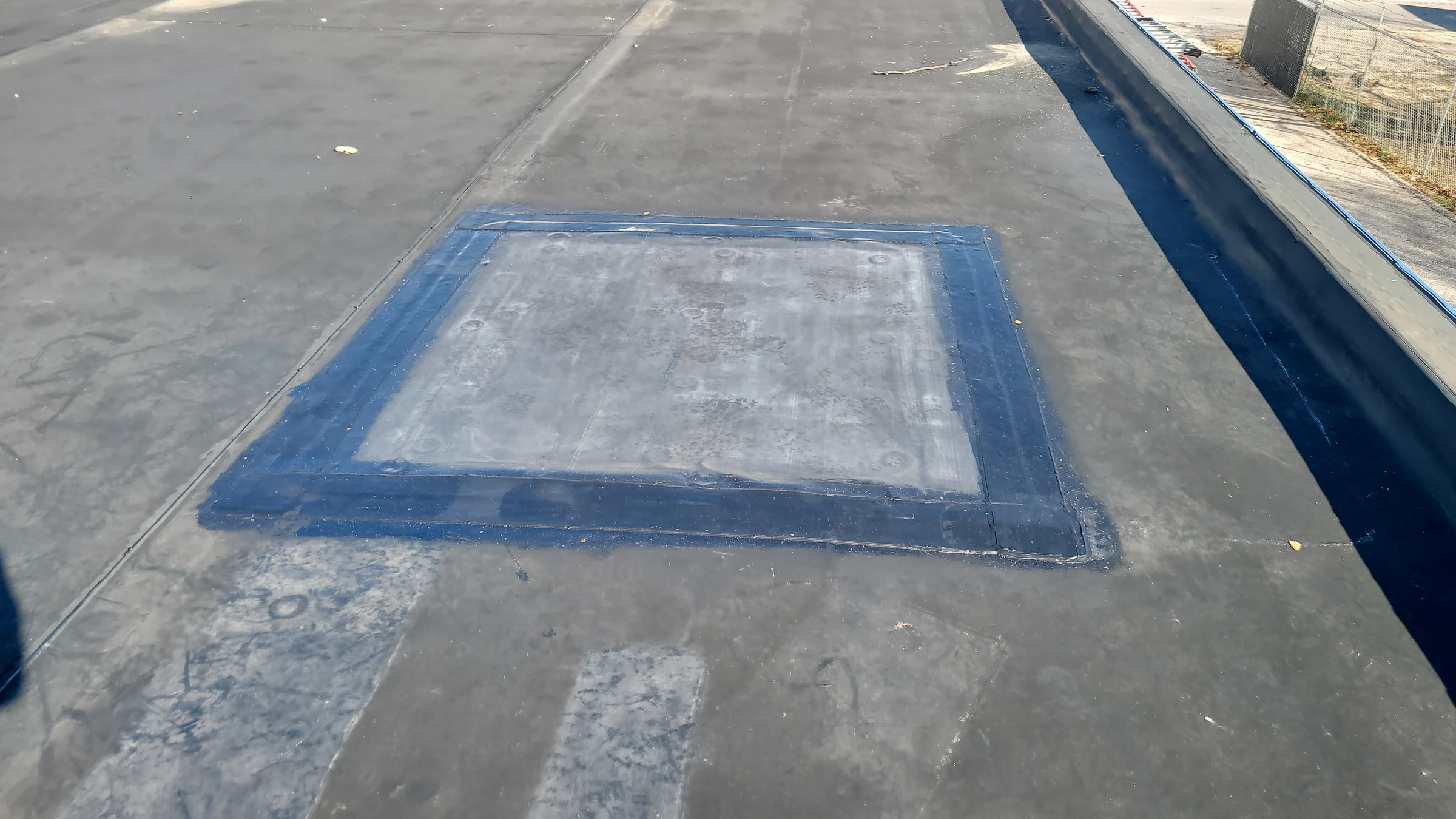
Penetrations and equipment curbs get checked individually rather than glanced at from a distance, since a failed pipe boot or a lifted HVAC curb flashing is one of the most common leak sources on the roof types common here. Drains and scuppers get checked for blockage, since standing water after a storm is often the first sign something is not draining the way it should.
Pre-Storm Season Timing
Spring in this part of Arkansas brings the heaviest severe weather stretch, with hail and straight-line wind events building through the afternoon on a regular basis, and tornado watches are not unusual. Facility managers who schedule an inspection before that stretch get a chance to fix loose edge metal, clear drains, and secure rooftop equipment before wind turns a minor issue into storm damage. Winter has its own pre-storm window ahead of ice events, when the priority shifts to drain clearance and checking that low points will not trap ice against the membrane.
Post-Storm Inspections and Documentation
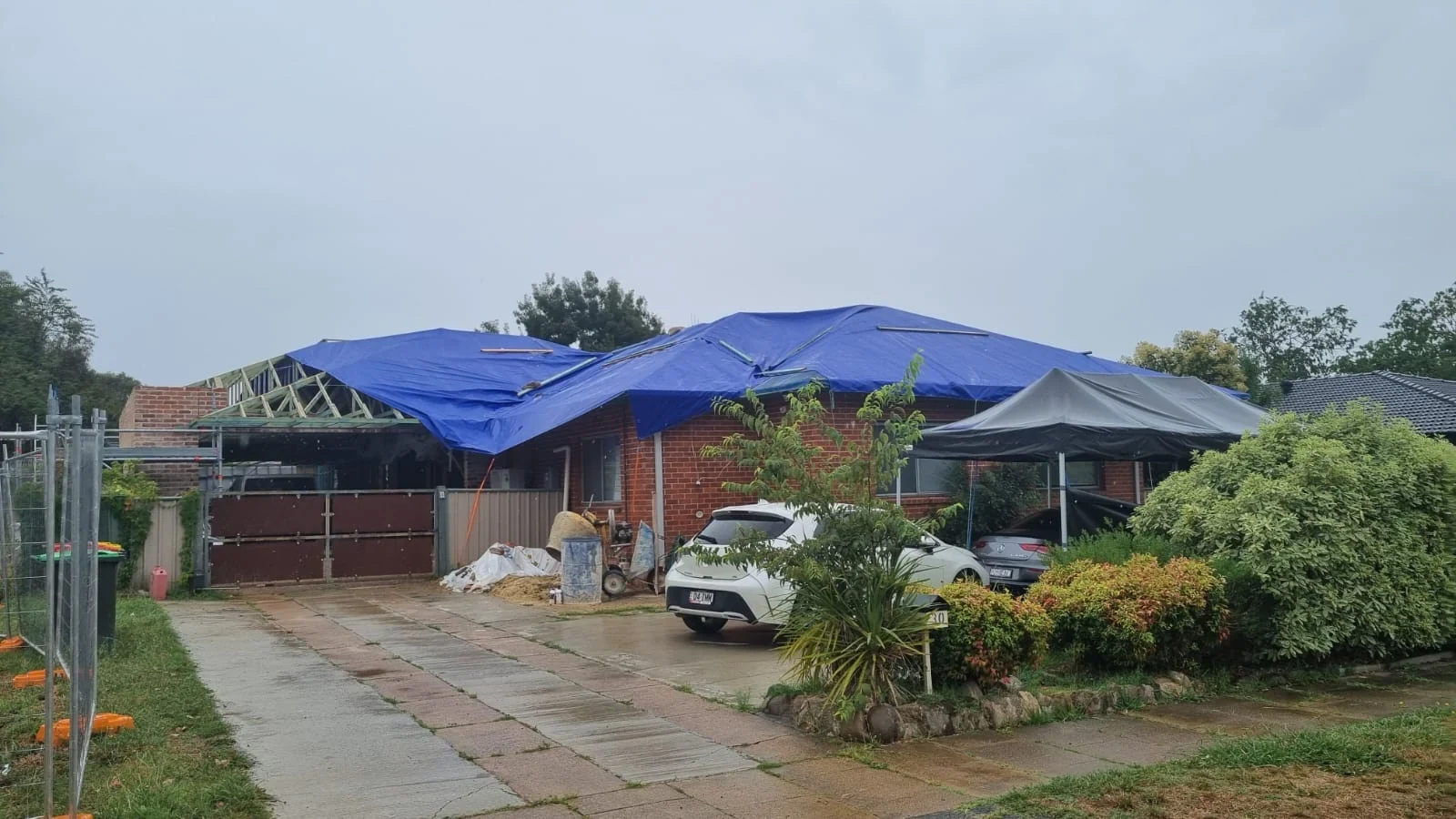
After a hail or wind event, we inspect the full roof rather than just the areas visible from the ground, because hail bruising and wind uplift damage are not always obvious from a parking lot. We photograph findings section by section, note hail impact patterns, membrane displacement, and any damaged flashing or coping, and provide that documentation in a form that holds up if it needs to support an insurance claim later. We describe what we find. We do not promise what an adjuster or insurer will decide to do with it.
Rooftop Equipment and Access Wear
HVAC units, exhaust fans, and satellite or communications mounts all interrupt the membrane at their base, and every one of those interruptions is a potential failure point that ages differently than the field membrane around it. We check equipment curbs and their flashing separately during an inspection rather than assuming a curb installed years ago is still sealed the way it was on day one.
Walkway paths that maintenance staff use to reach rooftop units also wear faster than the surrounding field, since foot traffic compresses and abrades the membrane over repeated trips. On roofs without designated walkway pads, we note where informal traffic patterns have developed and recommend pad placement to protect the membrane going forward.
Rooftop mechanical units also carry their own maintenance history, and a curb that was flashed correctly during original installation can still fail years later if a technician servicing the unit disturbed the flashing and did not reseal it properly. We look for signs of recent service work around equipment as part of every inspection for that reason.
What an Inspection Report Includes
- Section-by-section photo documentation of the entire roof, beyond only the visible problem areas
- Membrane condition notes, including seam integrity and any punctures or bruising
- Perimeter, corner, and edge metal condition, given local wind exposure
- Drain and scupper condition, including any blockage or ponding evidence
- Penetration and curb flashing condition at all rooftop equipment
- Plain-language findings with recommended next steps, ranked by urgency
Inspection Questions From Fort Smith Facility Managers
How often should a low-slope commercial roof be inspected?
Most buildings benefit from an inspection twice a year, timed ahead of spring storm season and again before winter, plus an additional inspection any time a significant hail or wind event passes through.
Do you inspect roofs after every storm, or only major ones?
Any hail event or wind gust strong enough to raise concern is worth a post-storm inspection, since hail bruising in particular is easy to miss from the ground and can worsen over time if left undocumented.
Will the inspection report help with an insurance claim?
The documentation is built to be thorough and specific, with dated photos and clear findings, which supports whatever claim process you pursue. We provide factual documentation; the outcome of any claim is between you and your insurer.
Can an inspection happen while our building stays fully operational?
Yes. Roof inspections do not require access below the roofline in most cases, and we coordinate rooftop access timing with your facility staff if there are safety zones or scheduling constraints.
What is the difference between a routine inspection and a warranty inspection?
A routine inspection looks at overall roof health and gives you our independent assessment. A warranty-related inspection follows the specific documentation requirements of the manufacturer's warranty program tied to that roof.
Give the first call enough information to work
Before dispatch, collect the address, responsible building contact, safe access route, occupied area below the problem, time and behavior of the leak, known roof type, and any temporary protection already attempted at the Fort Smith property. If the building has prior reports, warranties, repair invoices, roof plans, or known drain locations, those records can shorten the investigation. They should be treated as history to verify, not as proof that the present failure has the same cause. That intake determines whether the immediate need is interior protection, controlled roof access, weather-limited stabilization, drainage attention, or a scheduled diagnostic visit. It also gives the crew a safer and more focused starting point.
Make allowances and exclusions visible
Pricing is easier to evaluate when the scope shows which conditions were measured, which were observed but not opened, and which remain concealed. Unit prices or allowances can address uncertainty without pretending the quantity is already known. Schedule assumptions also belong beside price: weather windows, material lead time, permits, shutdowns, tenant coordination, daily dry-in, and access restrictions. An unexplained low number can become an expensive sequence of changes if these constraints are omitted. When assumptions are visible, the owner can decide whether to investigate further before award or carry a controlled contingency. Either choice is stronger than discovering that two supposedly comparable bids covered different roofs.
Connect the roof problem to the building and weather
Weather around Fort Smith, AR combines severe thunderstorms, hail, wind, high heat, and concentrated heavy rainfall. The timing of that exposure can reveal a weak detail, yet the weather event and the leak source are not automatically the same thing. Interior evidence should be mapped to a roof elevation before anyone chooses a drain, wall, curb, seam, penetration, or edge as the cause. Water can move laterally through insulation, along deck flutes, or down structural elements and appear away from the opening. This distinction protects the owner from treating a correlation as proof. It also lets the next technician revisit the precise unknown instead of repeating the entire investigation.
What the field record must establish
A decision-grade Fort Smith roof record includes roof-area plans, system and deck information, observed defects, photographs, moisture evidence, drainage, repair history, immediate priorities, budget assumptions, and recommended follow-up. Conditions should be organized by roof area and priority rather than buried in a chronological photo dump. The practical method is to divide the roof into usable zones, compare interior history with exterior conditions, inspect drainage and details, and record defects in a way another decision-maker can follow. Where destructive or electronic testing is proposed, the scope should identify its purpose, limitations, and restoration procedure before work begins. Observed facts, recommended actions, completed work, and open items should never share one unlabeled list. Separating them lets an off-site approver see exactly what was authorized and what still needs a decision.
Roof-system details change the diagnosis
Silicone Roof Coating, TPO 80 Mil, and TPO 60 Mil can show a similar interior symptom while requiring different investigation and repair details. The observed assembly,not a generic flat-roof label,has to control the scope. The scope should name the membrane or surface that was actually observed, identify unknown construction, and check compatibility before mastics, primers, membranes, or coatings are specified. Core information may be necessary when layers and attachment affect the option set. The final comparison should show which materials can accept repair or restoration, which areas need removal, and which unknowns could change the scope. Product preference comes after those conditions are established.
Plan access, interiors, tenants, and daily dry-in
General Contractors, Insurance Restoration, and Manufacturing Operators do not share the same interruption tolerance. The roof scope should be written around the occupied property as well as the exterior defect. The pre-work review should locate safe access, occupied areas, shutdown constraints, fire or security procedures, rooftop equipment, pedestrian controls, and interior protection. The building contact should know which decisions are needed before mobilization. Operating controls are roof-quality controls. Water, debris, odor, noise, or an unsecured access point can harm the owner even when the installed detail itself is correct, so those risks need owners and closeout checks.
Separate immediate service from capital work
Before pricing becomes the focus, ownership needs an answer to what needs action now, what can be maintained, what is eligible for restoration, and what belongs in a replacement budget. That answer should define the boundary between service work and a capital project. Decision thresholds include moisture extent, remaining secure attachment, deck condition, prior repair performance, drainage, assembly compatibility, operational risk, budget timing, and the period the owner expects the roof to remain in service. This prevents an urgent call from becoming an automatic reroof pitch. It also prevents endless patches from consuming money on a roof whose moisture, failures, or lifecycle cost has crossed a reasonable replacement threshold.
The handoff should survive the service call
The practical handoff is a written repair, restoration, replacement, or service-agreement path tied to the inspection findings. The next person should receive the property address, roof-area identifiers, contacts, access notes, photographs, temporary measures, completed work, open recommendations, and timing. The record should support both field work and management review. Technicians need locations and prior details; ownership needs priorities, open risk, completed spending, next inspection dates, and a defensible future sequence. The result is more than a completed patch or proposal. It is a controlled sequence from immediate response to documented condition, from condition to an appropriate option, and from that option to scheduled stewardship of the roof asset.
Fort Smith decision checklist
- Map the interior symptom to a named roof area before selecting a repair detail.
- Record temporary measures separately from permanent work and list every open item.
- Verify drainage, penetrations, walls, edges, earlier repairs, and transitions around the affected area.
- State the observed roof assembly, unknown construction, access limits, and testing assumptions.
- Connect the recommendation to repair, restoration, replacement, maintenance, or capital-planning thresholds.
- Set the next inspection or follow-up date so the roof history continues after this visit.
Commercial roof decision questions
Does this condition automatically mean the roof must be replaced?
No. The review should establish what needs action now, what can be maintained, what is eligible for restoration, and what belongs in a replacement budget. Replacement becomes a defensible recommendation only when the field evidence, moisture, assembly condition, repair history, deck or attachment concerns, and lifecycle comparison support it.
What should the Fort Smith roof scope document?
It should document roof-area plans, system and deck information, observed defects, photographs, moisture evidence, drainage, repair history, immediate priorities, budget assumptions, and recommended follow-up. It should also label temporary and permanent work separately, state assumptions and exclusions, and identify the inspection or service step that follows the current scope.
How does an urgent call become a maintenance or capital plan?
The immediate visit creates the first roof-area record. A follow-up inspection establishes condition and priorities. Completed repairs, recurring observations, drain service, warranties, and future recommendations are then retained so maintenance stays scheduled and larger work can be placed into the appropriate capital year.
From service call to roof plan
Use the next decision, not the biggest sale.
Stabilize the problem, document the roof, compare the viable paths, and keep the resulting roof history active.