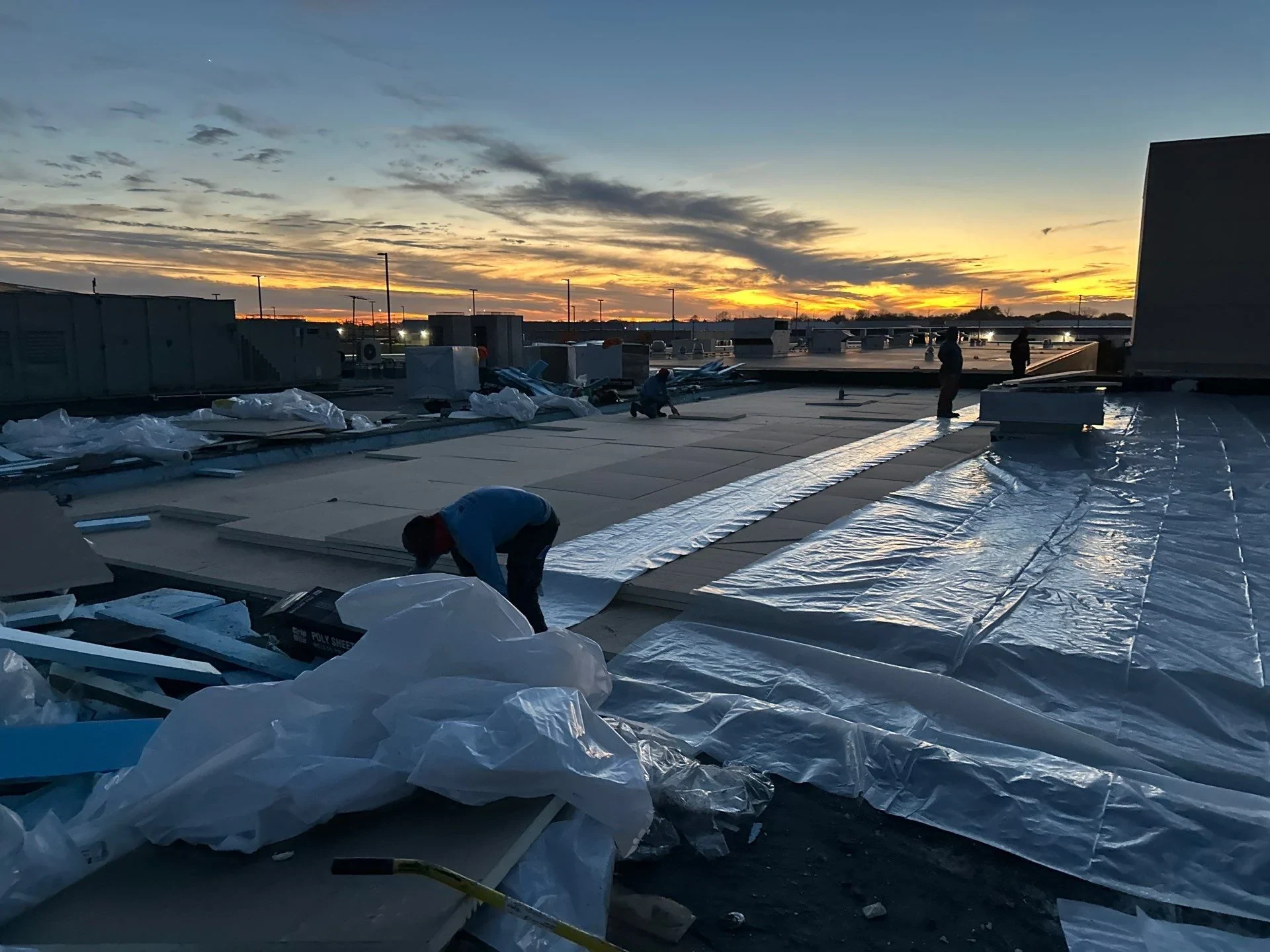
Versico Membrane Systems for Fort Smith Buildings
Versico manufactures a full commercial single-ply lineup , TPO, EPDM, and PVC , along with insulation, fasteners, and accessory products, and operates as a roofing systems provider tied to a larger industry-supply parent. We spec Versico materials on Fort Smith jobs where their specific product line, pricing, or warranty structure fits the building, weighing them against other manufacturers on a per-project basis.
Membrane Product Lines
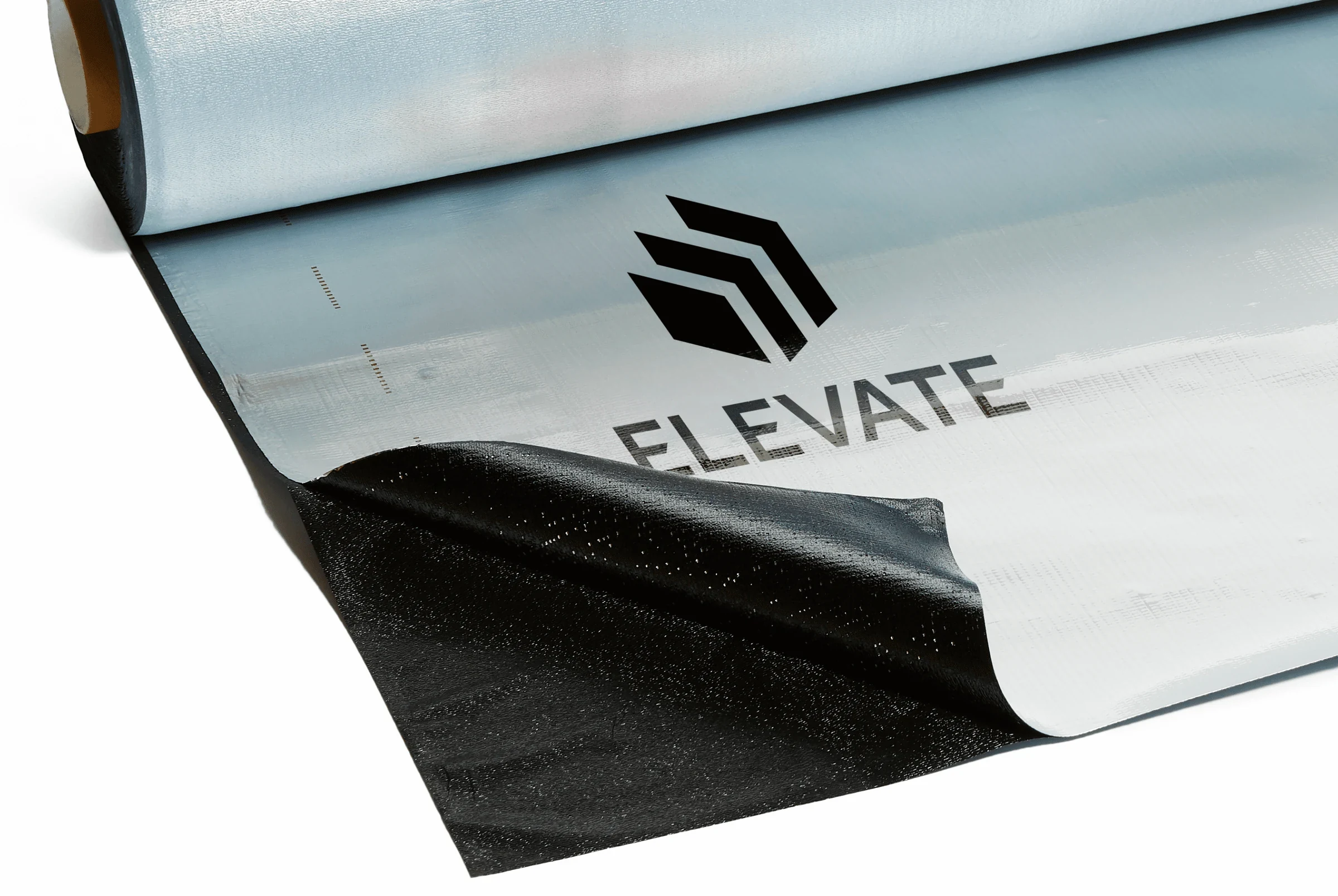
Versico's VersiWeld line covers their TPO membrane, available in multiple thicknesses and mechanically attached, fully adhered, and induction-welded configurations. On manufacturing and distribution buildings near Chaffee Crossing and along the I-40 corridor, we spec heavier VersiWeld gauges where hail exposure and rooftop equipment traffic call for the added durability those roofs need.
Versico's VersiGard line covers their EPDM membrane in black and white surface options, and their VersiFlex line covers PVC membrane for buildings with grease or chemical exposure that would degrade a standard TPO sheet faster than PVC's chemistry allows.
Versico also offers a fleece-backed TPO option within the VersiWeld line, which is relevant on recover projects over an existing roof where a self-adhered or hot-asphalt attachment method is preferable to mechanical fastening. That option comes up on Fort Smith recover jobs where the existing deck condition makes additional roof penetrations from mechanical fasteners something we would rather avoid.
Insulation and Accessory Products
Versico produces polyisocyanurate insulation, cover boards, and fastening components designed to work together as a tested assembly with their membranes, which is relevant to warranty eligibility when mixing components from different manufacturers. We follow Versico's specified assembly components on jobs using their materials to keep warranty coverage intact and avoid compatibility issues at seams and terminations. On new construction, that means specifying insulation thickness and cover board type together at the design stage rather than adjusting after the deck is already set, since the assembly's tested wind uplift rating depends on that specific combination.
- VersiWeld TPO membrane in multiple thicknesses and attachment methods
- VersiGard EPDM membrane in black and reflective white surface options
- VersiFlex PVC membrane for chemical and grease-resistant applications
- Polyisocyanurate insulation and cover board products
- Manufacturer-matched fastening and accessory components
- Warranty terms and coverage set directly by Versico at project registration
Warranty and Certified Installation
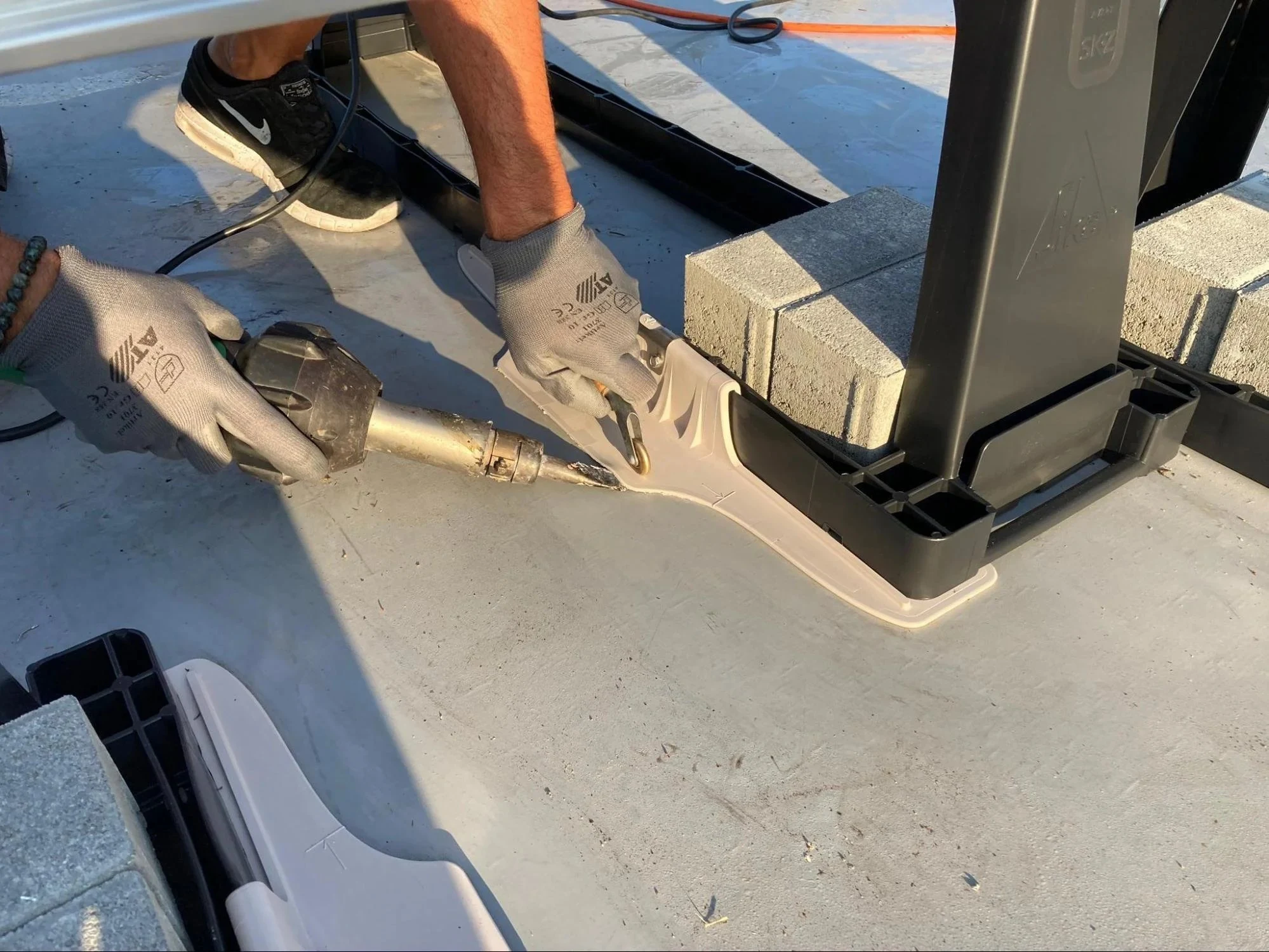
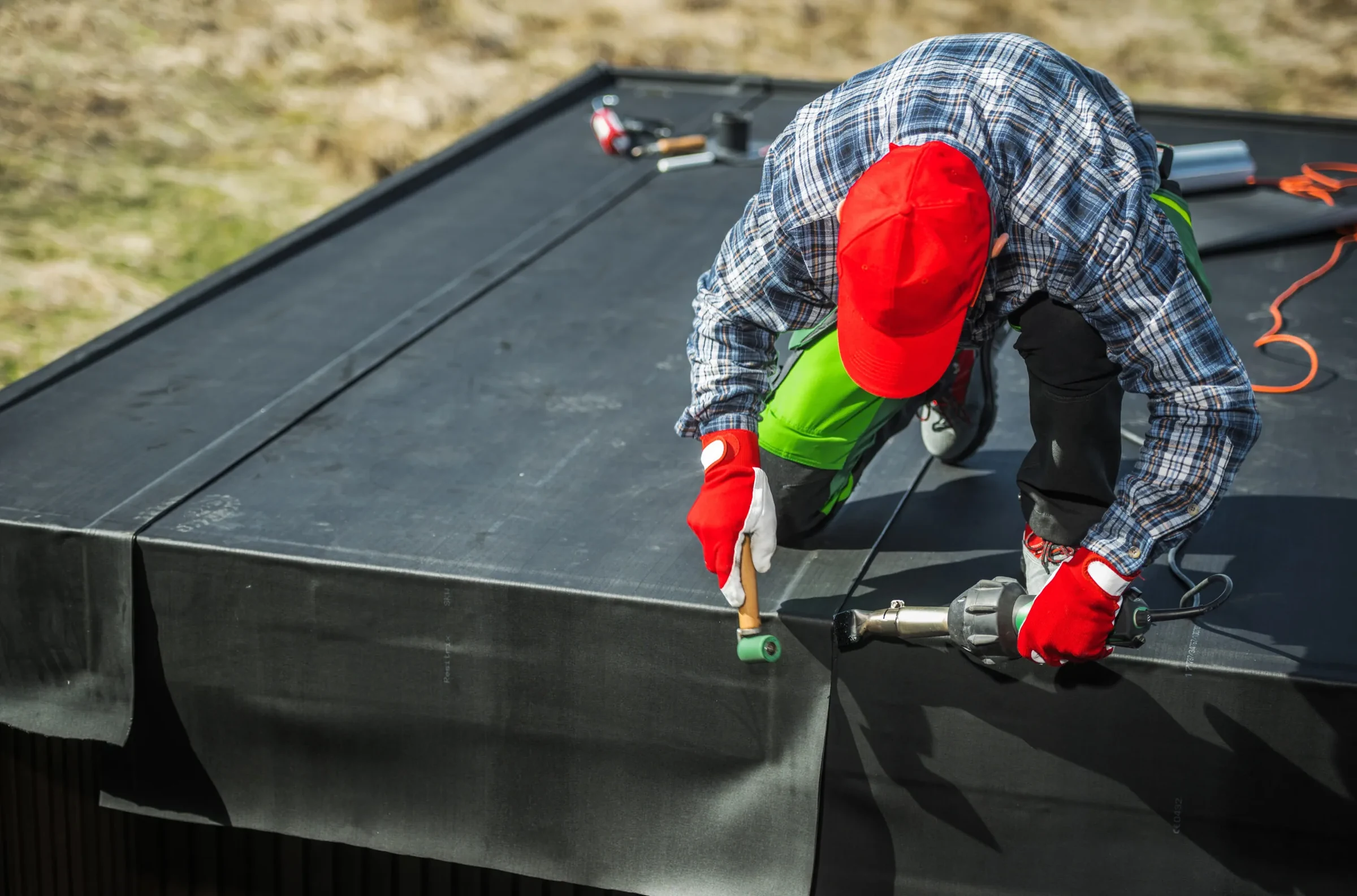
Versico's commercial warranty programs typically require installation by a contractor within their certified applicator network, following manufacturer-specified installation details at seams, flashings, and penetrations. We manage that certification compliance and registration directly on any project specified with their materials, documenting fastener spacing and seam probe results with photos at each stage so the warranty paperwork on file matches what is actually installed on the roof.
Matching Product to Fort Smith Exposure
Hail impact, tornado-edge wind uplift, humid summer thermal cycling, and occasional winter ice loading are the conditions that drive every membrane spec decision in this market. Versico's heavier TPO gauges and VersiFlex PVC line for chemical exposure both address real, recurring conditions on Fort Smith's roof stock, and we review the current product data sheet before recommending any specific Versico system rather than relying on general claims.
After storm events, we inspect Versico membrane the same way we inspect any manufacturer's product: checking for granule loss on modified bitumen equivalents where applicable, scrim exposure on TPO where a hailstone broke the surface ply, and seam separation at parapets and corners where uplift pressure concentrates during severe thunderstorm wind. Documentation from that inspection supports insurance claims without us making any promises about claim outcomes.
Why We'd Spec Versico on a Given Job
We do not have an exclusive relationship with Versico or any single manufacturer. Their full single-ply product range and accessory compatibility make them a reasonable option across a range of Fort Smith building types, and pricing or availability on a specific job sometimes makes Versico the more practical choice for the owner's budget and timeline. We confirm current material lead times before committing a project schedule to any manufacturer, which matters most on emergency repairs following a storm when several buildings in the same area may need work within the same short window. On close budget decisions we put a Versico quote next to at least one competing manufacturer's quote so the owner can see the actual cost and warranty tradeoffs before choosing.
Versico Roofing Questions
Is Versico TPO comparable to other major manufacturers' TPO?
Versico's VersiWeld TPO line offers similar thickness and attachment options to other major manufacturers' TPO products. Actual performance depends more on sheet thickness, installation quality, and fastening pattern than on brand alone.
Does Versico offer PVC for grease-exposed rooftops?
Yes, their VersiFlex PVC line is designed for buildings with rooftop grease, oil, or chemical exposure that would degrade standard TPO membrane over time.
Do Versico warranties require a certified contractor?
Yes, their commercial warranty programs typically require installation by a contractor within their certified applicator network, which we handle directly for projects using their materials.
Is Versico a good fit for hail-prone Fort Smith roofs?
Their heavier-gauge VersiWeld TPO and VersiGard EPDM options are reasonable choices for hail exposure, comparable to similar heavy-gauge products from other manufacturers, with actual performance driven by sheet thickness and installation quality more than brand.
Can Versico EPDM and TPO be used on adjoining roof sections?
It depends on the specific transition details and building layout involved. We evaluate that case by case rather than assuming automatic compatibility between different membrane types on one roof.