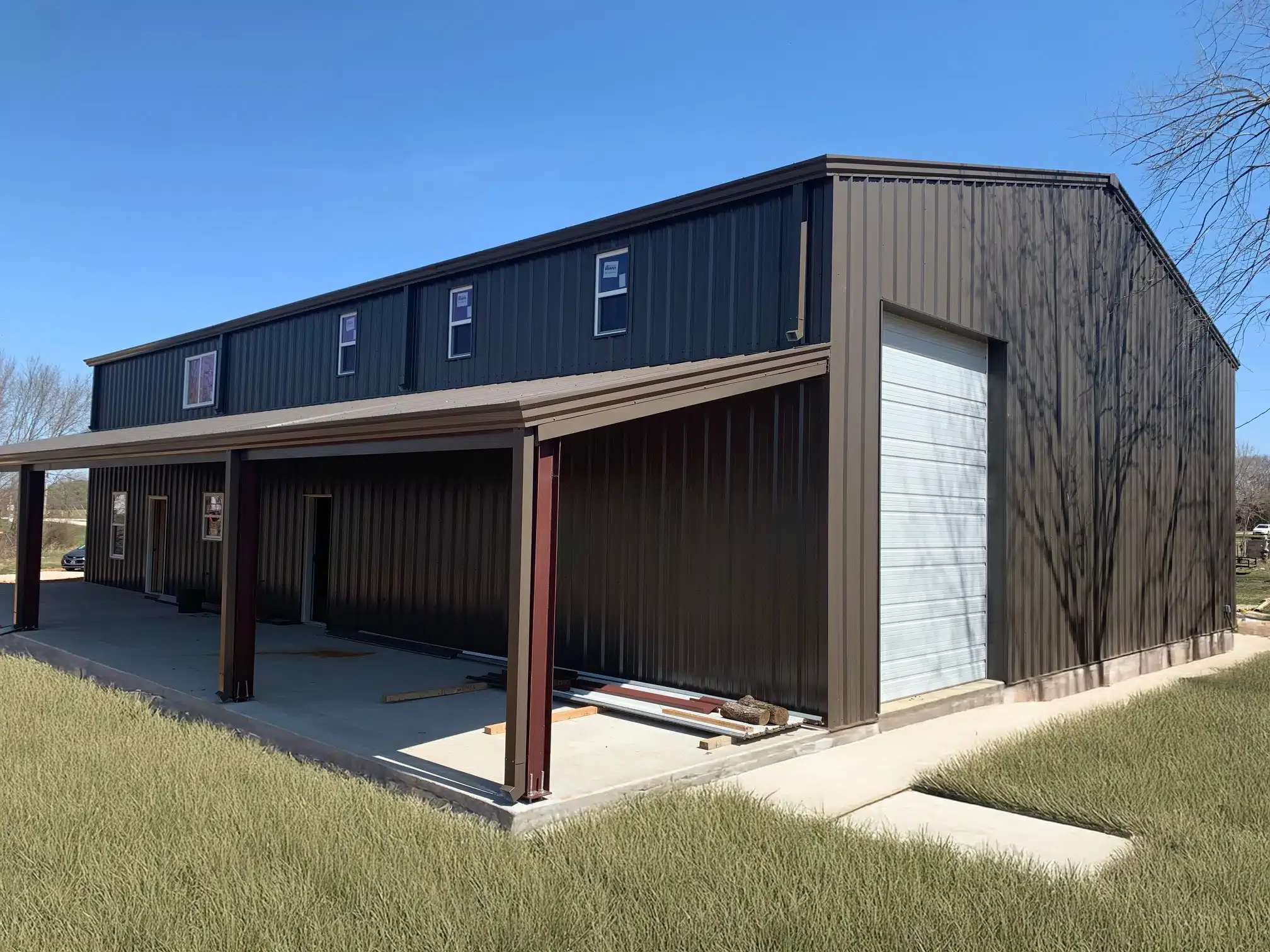
Big Box Retail Roofing on Rogers Avenue and Massard Road
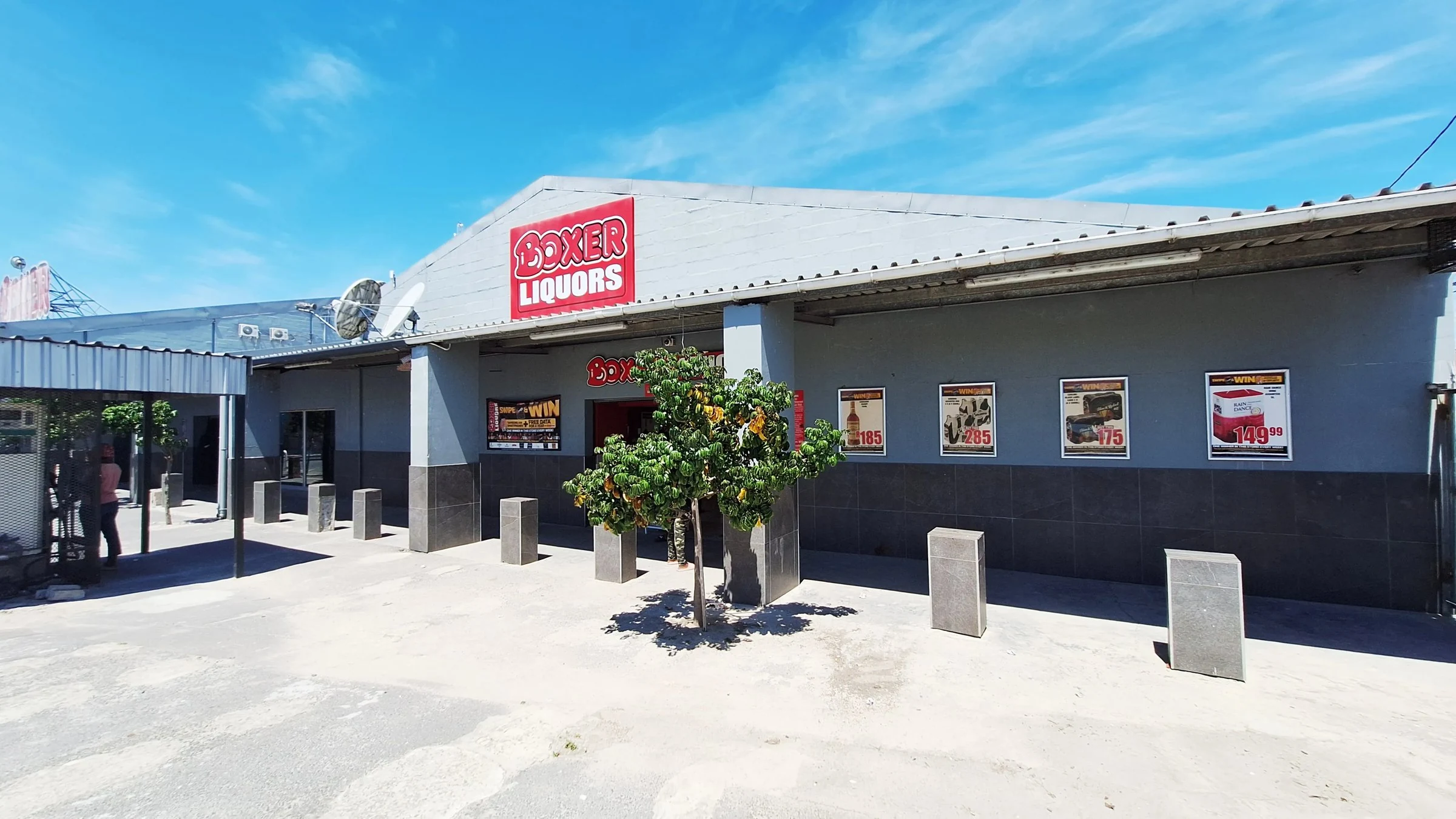
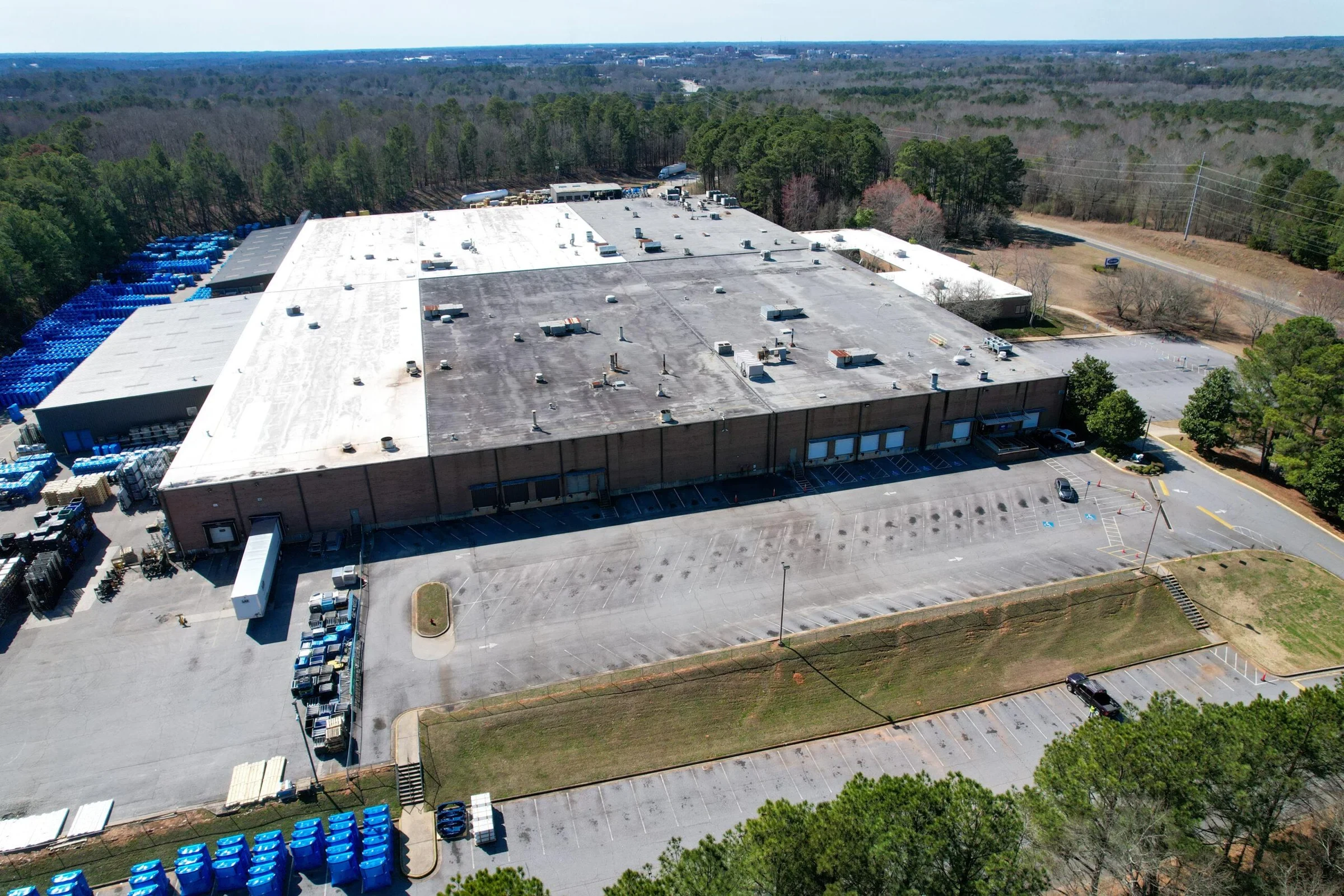
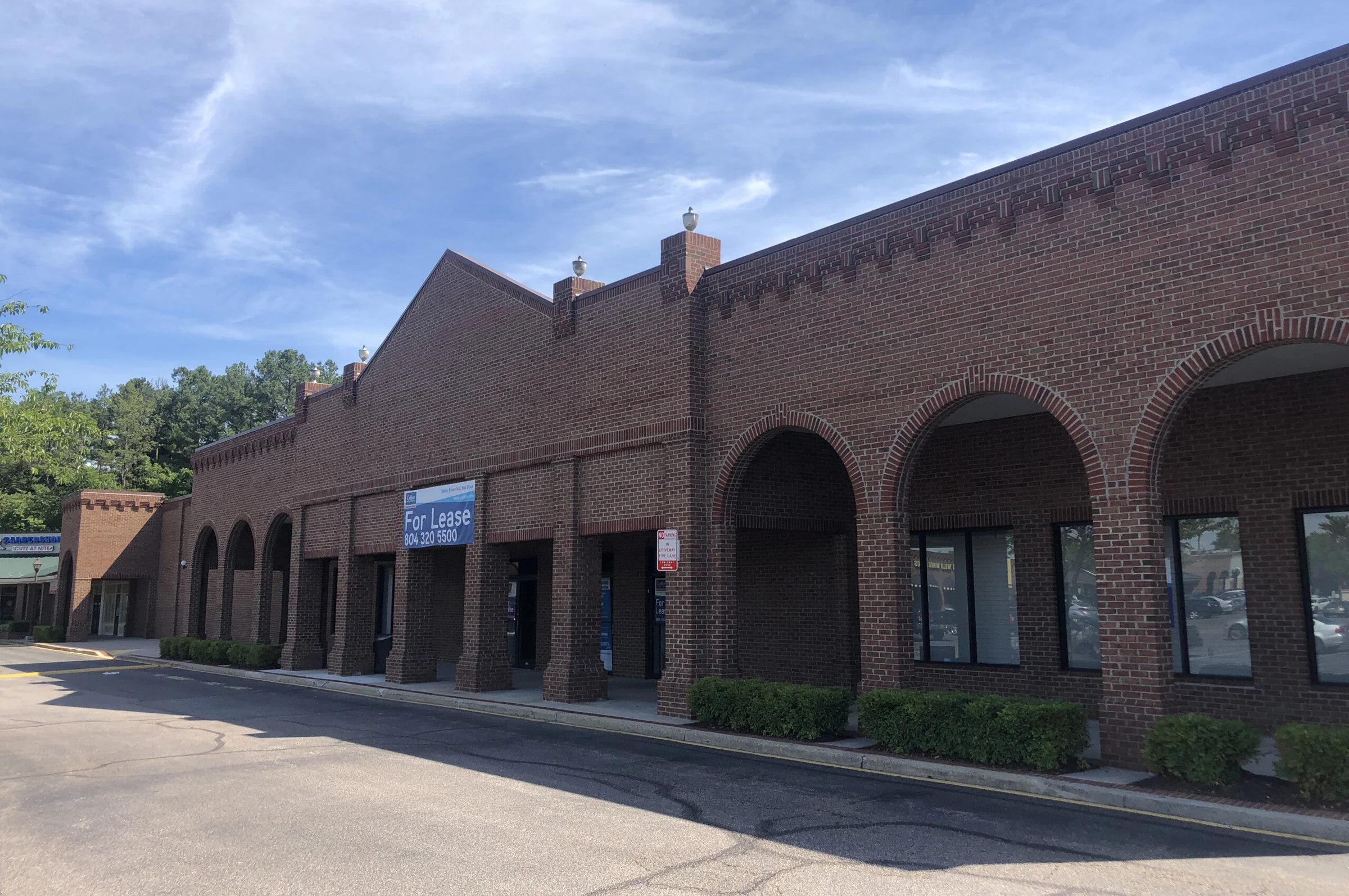
Large-format retail anchors along the Rogers Avenue and Massard Road corridors carry roofs built for one purpose: cover a wide open sales floor with minimal interior structure. That design means a lot of roof area with a moderate number of large rooftop units, and very little tolerance for a leak reaching merchandise below.
Wide-Open Floor Plans, Concentrated Equipment
Unlike a distribution building with dozens of small penetrations spread evenly across the field, a big box retail roof typically carries a smaller number of large rooftop HVAC units serving the sales floor, plus a separate cluster over the stockroom and receiving area. That concentration means a single failed curb can affect a large section of retail space rather than a contained corner.
We pay close attention to those large unit curbs specifically because the consequences of a leak are immediate , water reaching a sales floor or stockroom inventory turns a roof problem into a merchandise loss problem within hours.
Rooftop Signage and Facade Penetrations
Big box buildings often have illuminated signage and facade elements that require conduit runs and mounting penetrations through the roof edge or parapet, sometimes added or modified well after original construction when a tenant rebrands or a new anchor tenant moves in. Those retrofit penetrations don't always get the same flashing attention as the original roof details.
Minimal Downtime Tolerance
A big box retailer generally can't close for roof work, and even a partially blocked entrance or parking area during business hours affects sales. We plan material staging and access routes around customer parking and loading dock schedules, and sequence noisy or disruptive work for early morning hours before the store opens when that's an option.
Roof scope items common to big box retail:
- Large rooftop HVAC unit curbs
- Signage and facade conduit penetrations
- Receiving dock and stockroom roof sections
- Perimeter parapet and edge metal
- Roof drains sized for a large open field
Landlord and Tenant Roof Responsibility
Some big box locations are owner-occupied and some operate under a lease where roof responsibility splits between landlord and tenant depending on the cause and location of the damage. We document findings clearly enough that either party can use the report to sort out responsibility without a second inspection.
Storm Response for a High-Traffic Retail Roof
After hail or wind moves through the area, a big box roof's large open field can hide impact damage that's easy to miss without a close inspection, especially on membrane that's already showing normal wear. See our storm damage roof repair service for how we document and prioritize that kind of damage on a large retail roof.
Loading Dock and Backhaul Area Wear
The roof section over a big box store's receiving dock and backhaul compactor area sees a different kind of wear than the sales floor above , grease, cardboard dust, and frequent foot traffic from staff servicing rooftop equipment near that end of the building. We inspect that zone separately from the main sales floor roof, since it tends to show early wear well before the rest of the field does.
Trailer staging near the dock can also put pressure on nearby parapet walls and edge metal if backing patterns run close to the building corner repeatedly over years of daily deliveries. We note that kind of physical wear pattern during inspection, since it's a maintenance issue that's easy to overlook until edge metal actually starts to separate.
Preparing for Seasonal Demand Swings
Big box retailers along Rogers Avenue and Massard Road see real traffic swings around back-to-school and holiday shopping periods, and roof work timed poorly around those windows adds friction to an already busy season for store staff. We plan larger projects for the calmer stretches between peak retail periods when possible, and reserve emergency-response capacity for whatever comes up during the busy months, since a leak doesn't wait for a convenient calendar slot.
Coordinating that timing means talking with store management well before a project starts, rather than scheduling purely around our own crew availability. A store manager who knows a roof project is coming during a slower month can plan staffing and merchandising around it instead of being surprised by material staging in the parking lot during a critical sales week.
Big Box Retail Roofing Questions
Can roof repairs happen while the store stays open?
In nearly every case, yes. We stage material and route access away from customer entrances and sequence disruptive work for early morning hours before the store opens for the day, keeping delivery lanes and fire access clear throughout.
Who's responsible for roof repairs, the landlord or the tenant?
That depends on the lease. We document findings in enough detail that either party can use the report to determine responsibility.
What causes leaks around rooftop signage?
Conduit and mounting penetrations added after original construction that weren't flashed with the same attention as the roof's original details.
How do you inspect for hail damage on a large retail roof?
We walk the full field in a grid pattern rather than spot-checking, since hail damage on membrane can be subtle and easy to miss from a quick visual pass.
How fast can a leak over the sales floor be addressed?
We treat active leaks over occupied retail space as a priority call and can typically stabilize with temporary measures the same day conditions allow roof access, with permanent repair scheduled shortly after.