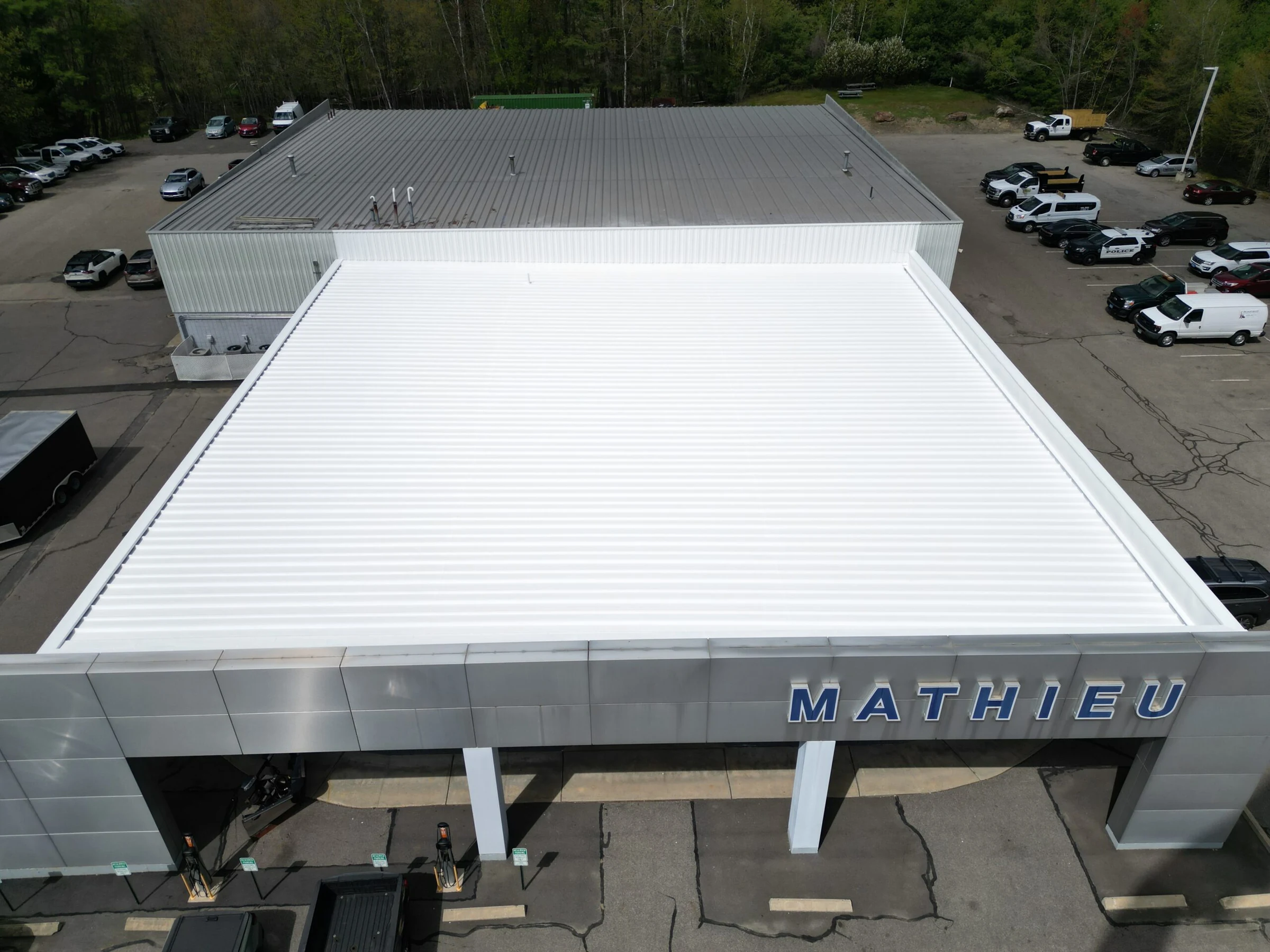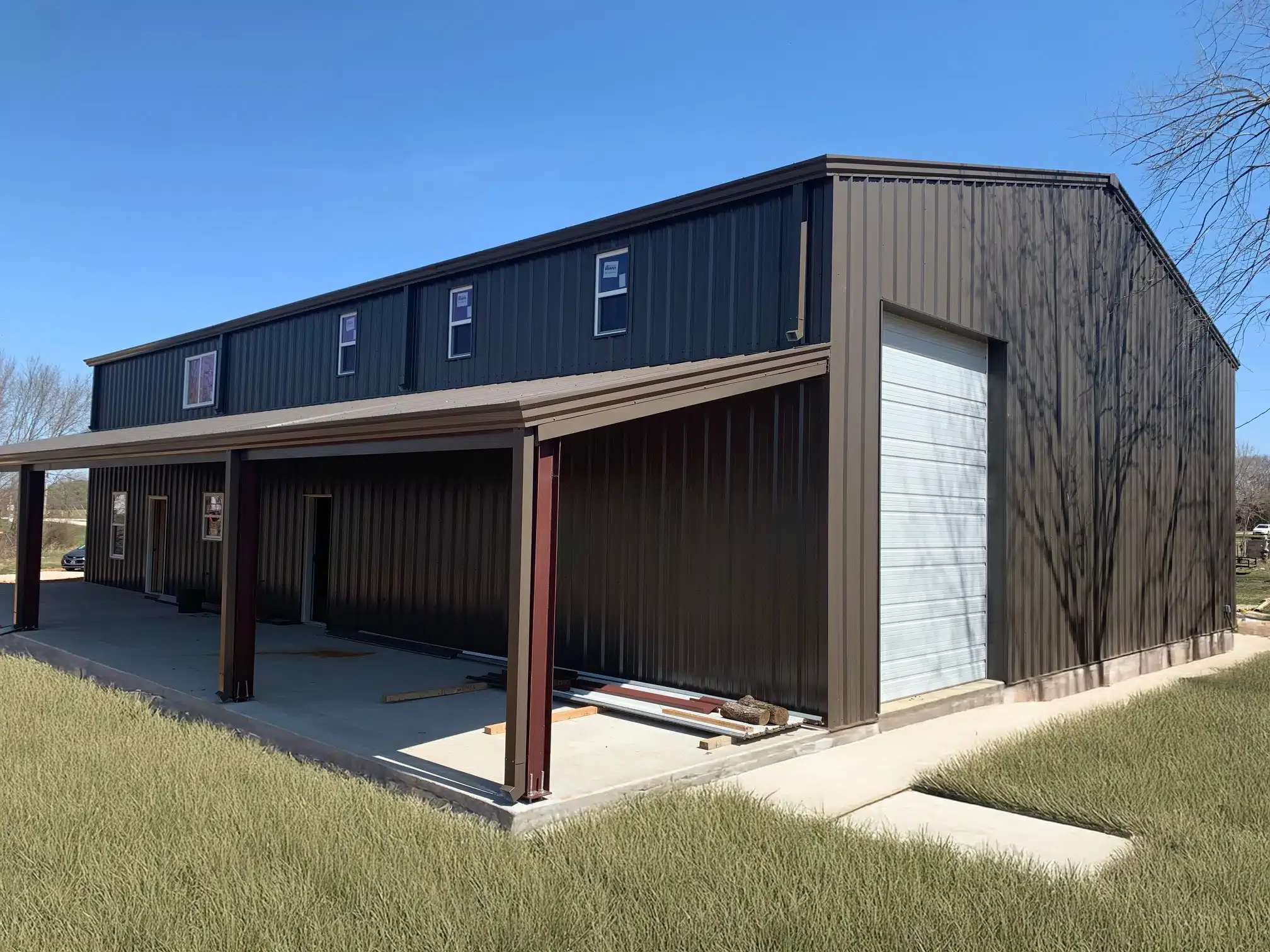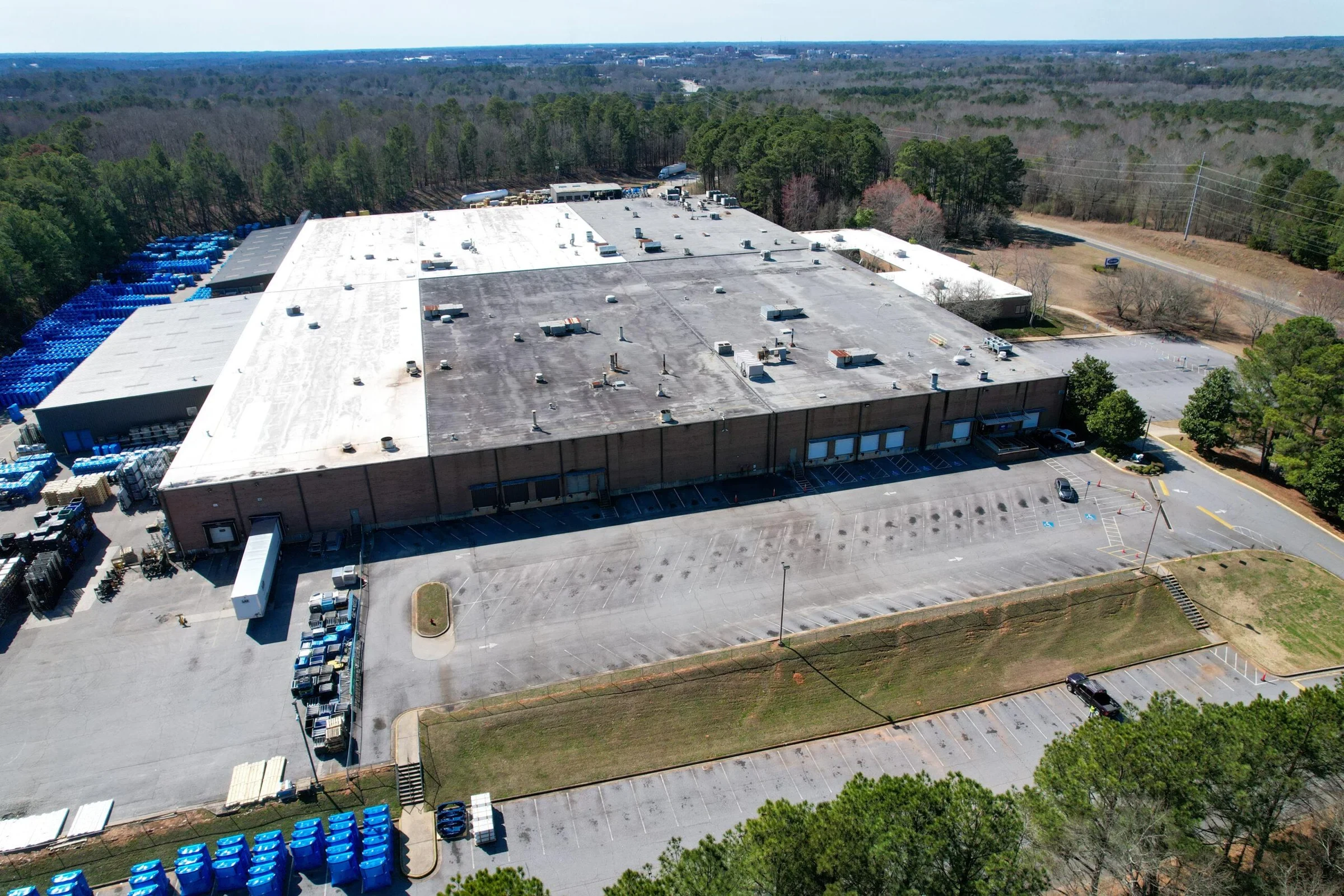
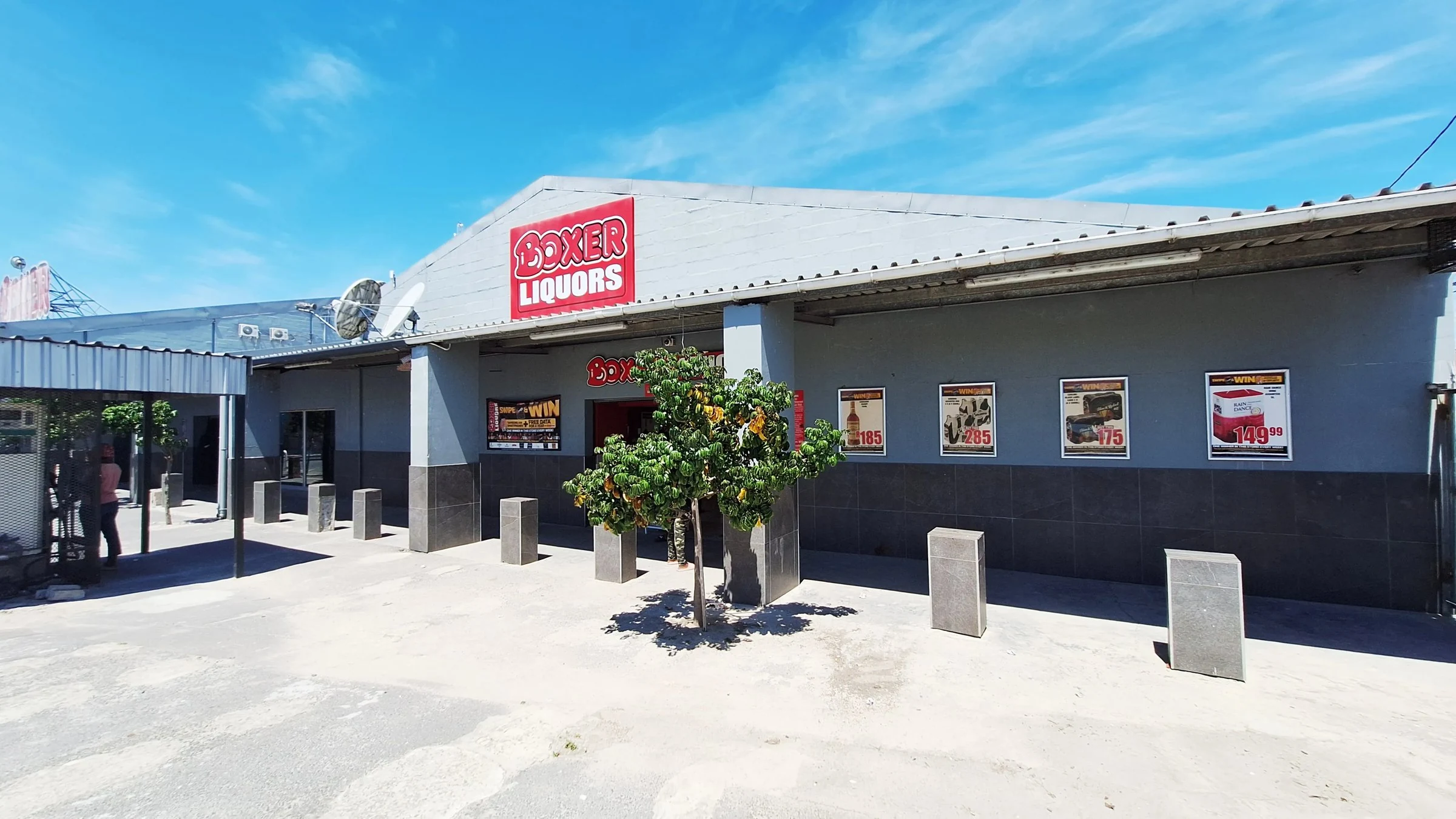
Retail Strip Center Roofing on Grand Avenue and Rogers Avenue
Strip centers along Grand Avenue and Rogers Avenue carry a roof history that's almost never uniform, even though the buildings look continuous from the parking lot. Different tenants have come and gone over the years, each leaving behind their own HVAC units, exhaust penetrations, and patch history, all under a single connected roof system.
One Roof, Many Tenants, Many Histories
A strip center's roof is usually one continuous membrane structurally, even when the storefronts below are leased to a dozen unrelated businesses. That means a penetration one tenant added five years ago can affect the roof performance over a neighboring unit today, and a leak reported by one tenant sometimes traces back to a detail on the other side of a shared parapet wall.
We map the full roof, including the sections over units that never called, because a strip center problem is rarely contained to a single tenant's footprint once water starts moving under the membrane.
CAM Billing Needs Clear Documentation
Roof maintenance on a multi-tenant strip is typically funded through common area maintenance charges, and property managers need documentation that justifies those costs to tenants who may question a line item. We provide itemized findings and photos that a property manager can share directly in CAM reconciliation without having to translate technical detail themselves.
Restaurant and Food Tenant Penetrations
Strip centers with a restaurant or food-service tenant carry the same grease exhaust concerns found on larger grocery buildings, concentrated around that unit's kitchen vent. That penetration often needs more frequent attention than the rest of the roof, and we track it separately from general strip center maintenance for that reason.
Strip center roof items we track by tenant and by shared structure:
- Individual tenant HVAC and exhaust curbs
- Shared parapet walls between units
- Restaurant and food-service exhaust vents
- Storefront canopy and signage penetrations
- Roof drains serving multiple units
- Patch history from prior tenant turnover
New Tenant Buildouts and Roof Impact
Every time a unit turns over to a new tenant, there's a chance the buildout adds a new rooftop penetration for updated HVAC or kitchen equipment. We recommend property managers loop us in before a new tenant buildout finalizes rooftop equipment placement, since a poorly coordinated new penetration can undo the protection built into a recent roof repair or recover.
Storm Damage Across a Connected Roof
When hail or wind hits a strip center, damage doesn't respect lease lines. A wind-lifted section of membrane over one unit can expose the neighboring unit's roof deck if the storm continues, and we document the full building rather than a single storefront when responding to storm damage on a connected roof structure. See our roof drains and scuppers service for how shared drainage across a strip center gets evaluated.
Hail impact on a strip center is also easier to underestimate than on a single-tenant building, since a quick drive-by from the parking lot rarely reveals bruised membrane or dented pitch pans on individual units. We recommend a full roof walk across every unit after a significant storm, including the units where no tenant has reported water inside, because the quiet units are sometimes the ones with the most exposed damage.
Working With Multiple Stakeholders
A strip center roof project often involves a property owner, a management company, and several tenants with different priorities. We keep documentation clear enough that all three groups can reference the same report without confusion about scope, cost allocation, or timeline.
Vacant Units and Roof Neglect
A strip center almost always has at least one vacant unit at any given time, and an empty storefront doesn't mean the roof above it stops mattering. Without a tenant present to notice a leak forming, damage over a vacant unit can spread quietly for months, sometimes affecting the occupied unit next door before it's caught.
We include vacant units in the same inspection sweep as occupied ones for that reason, since skipping them because no one's complaining is exactly how a small leak turns into shared structural damage across a whole section of the property.
Signage and Facade Changes Over Time
Strip centers along Grand Avenue and Rogers Avenue see storefront signage and facade updates fairly regularly as tenants rebrand or new businesses move in, and each of those updates can involve new conduit runs or mounting brackets through the roof edge. We check facade-related penetrations as part of any full roof evaluation, since they're easy for a new tenant's sign contractor to overlook when they're focused on the storefront rather than the roof above it.
Strip Center Roofing Questions
Why does a leak in one unit sometimes trace back to another tenant's area?
Strip centers usually share one continuous roof membrane, so water can travel under the surface before showing up as a leak in a different unit than where it entered.
How is roof maintenance typically billed on a multi-tenant property?
Usually through common area maintenance charges. We provide documentation property managers can use directly in CAM reconciliation.
Do restaurant tenants need special roof attention?
Yes. Kitchen exhaust penetrations carry grease exposure that needs more frequent inspection than the rest of a strip center roof.
Should we be involved before a new tenant buildout?
We recommend it. Coordinating new rooftop equipment placement ahead of a buildout avoids penetrations that conflict with recent roof work.
How do you handle storm damage that crosses multiple tenant units?
We document the full connected roof structure rather than a single unit, since damage and water movement don't stop at lease lines.