Acrylic Coatings for Metal Roofs and Sloped Commercial Buildings
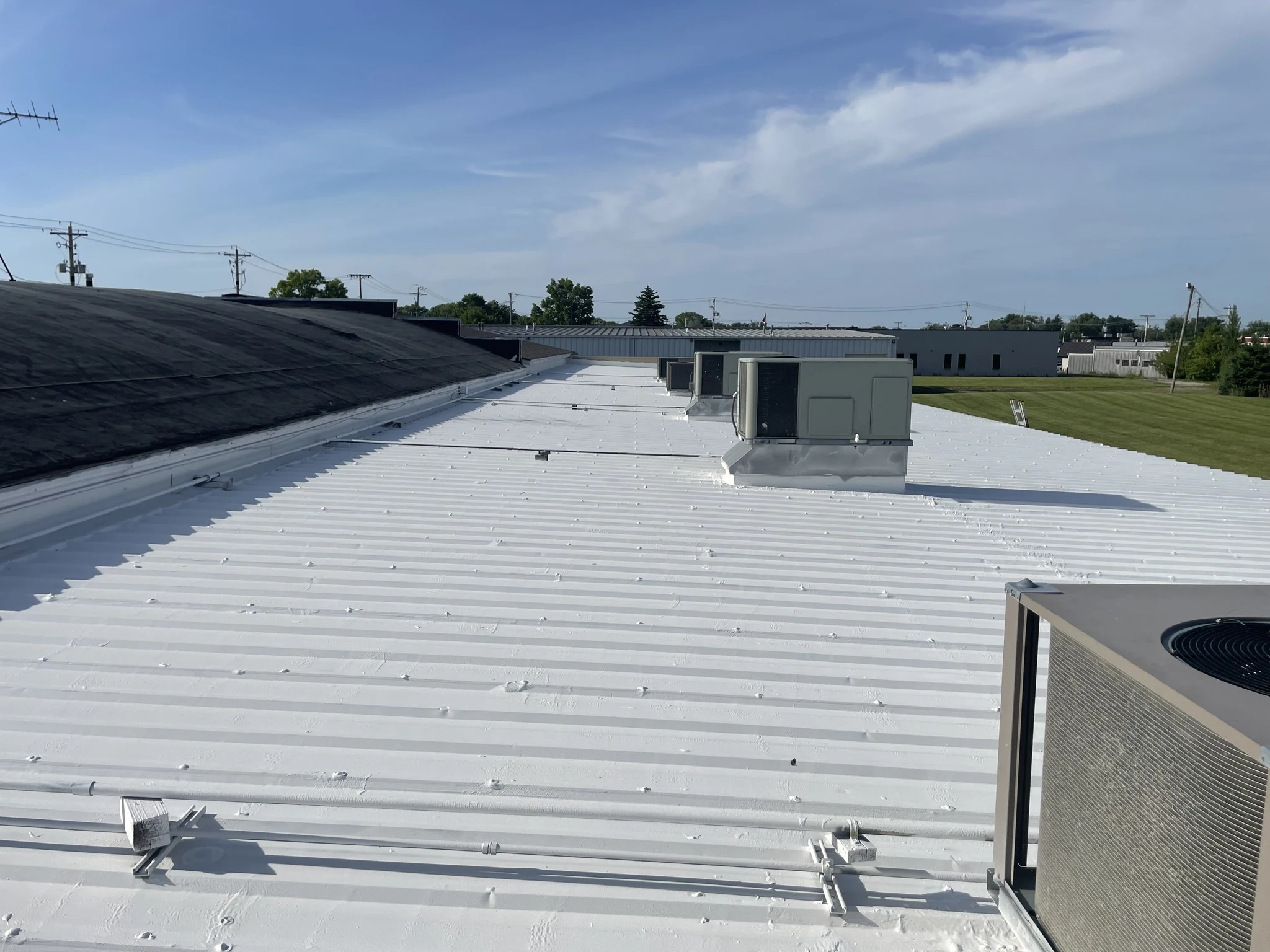
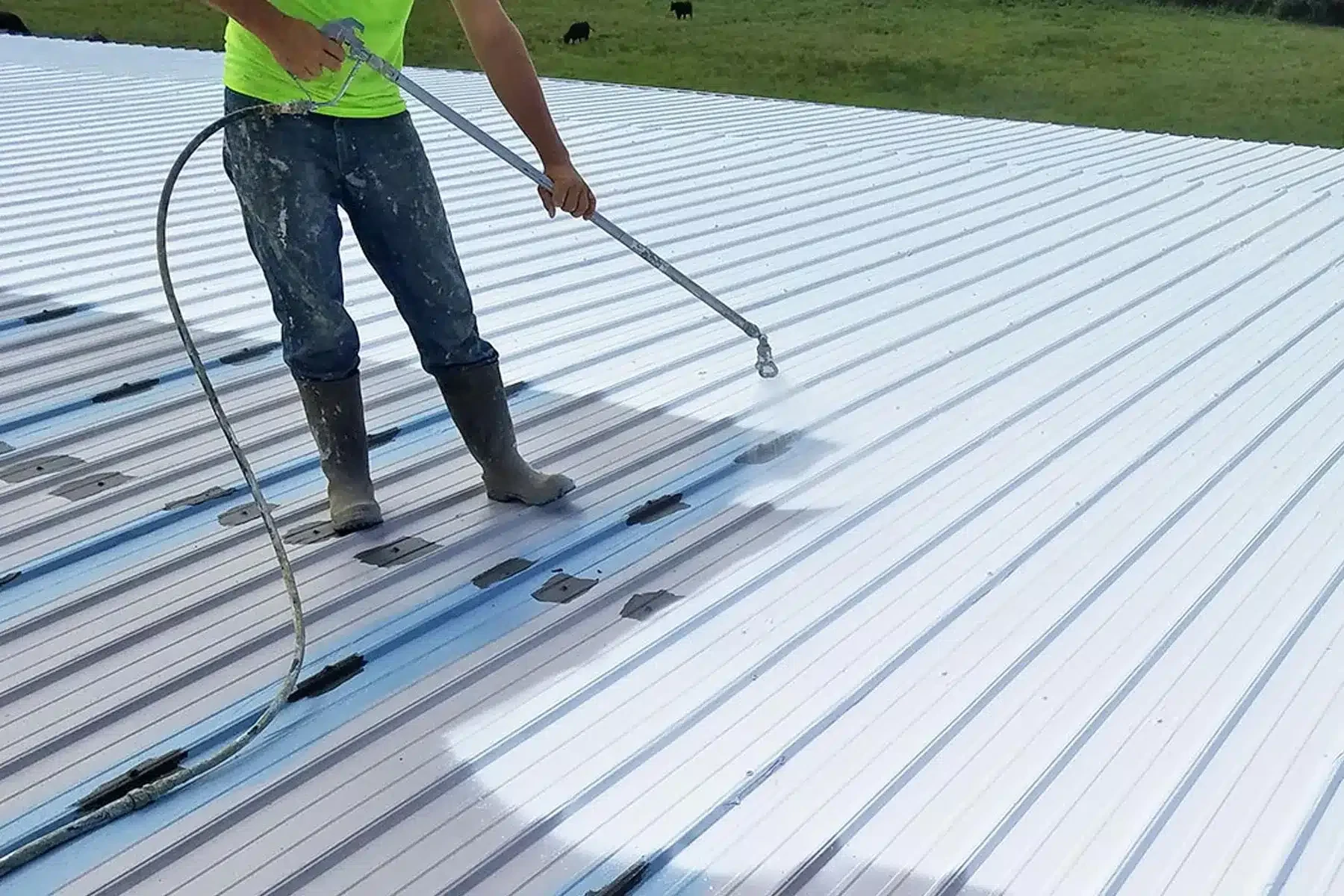
A coating recommendation starts with adhesion, moisture, drainage, membrane condition, detail preparation, and warranty eligibility,not every existing roof is a restoration candidate. Acrylic coating is our go-to on sloped metal roofs and any low-slope building without a standing water problem , it costs less than silicone, reflects heat quite well, and does a good job of extending service life on the R-panel and standing seam roofs common on the light-industrial and ag-service buildings around Fort Smith.
Why Metal Roofs Are the Best Fit
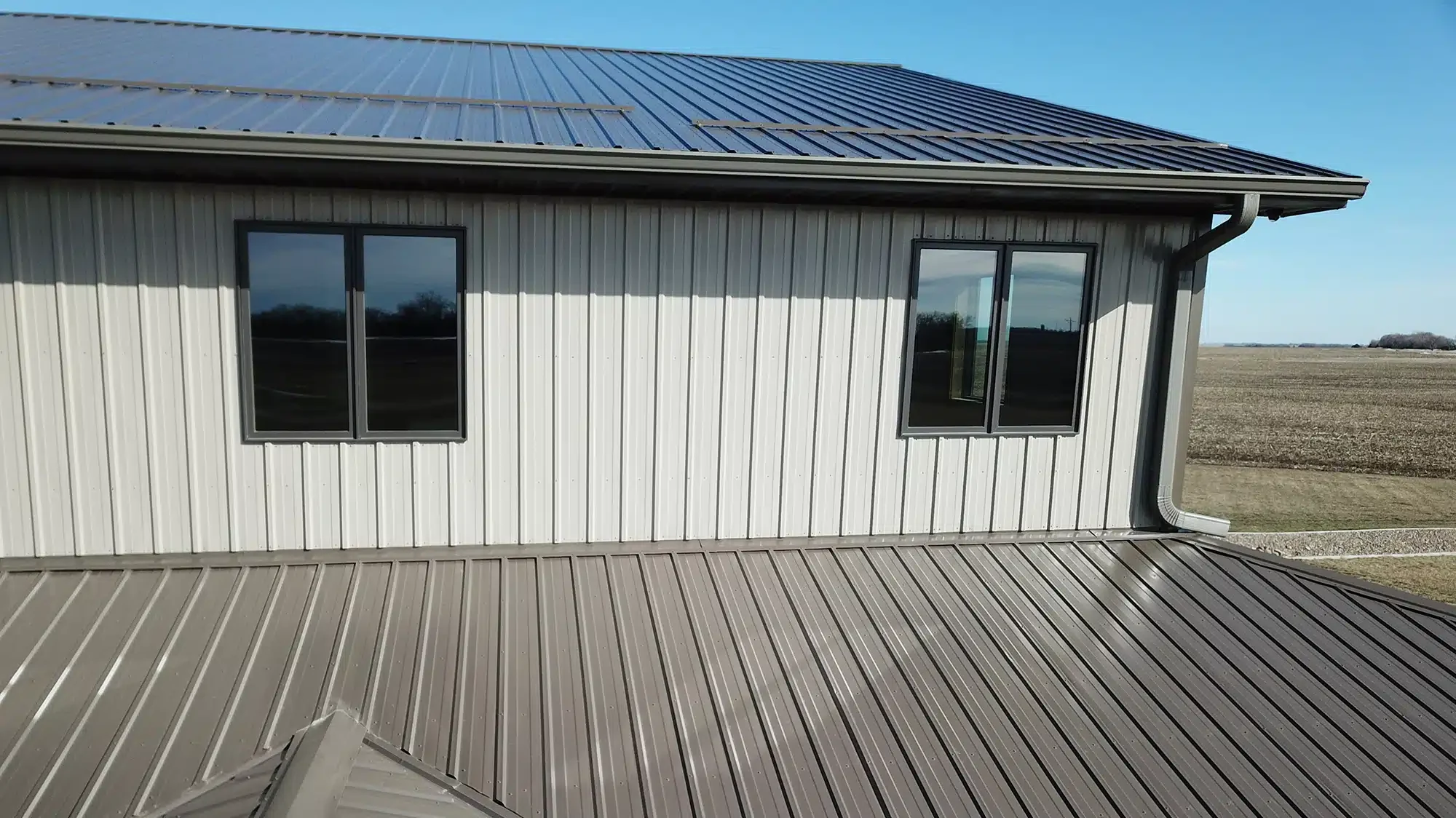
Acrylic bonds well to most metal substrates and handles the slope typical of R-panel and standing seam roofs without the ponding vulnerability issue that rules it out on dead-flat roofs. On older R-panel buildings out toward Van Buren and Alma, an acrylic recoat is often a fraction of the cost of full panel replacement and buys meaningful additional service life when the underlying panels are structurally sound.
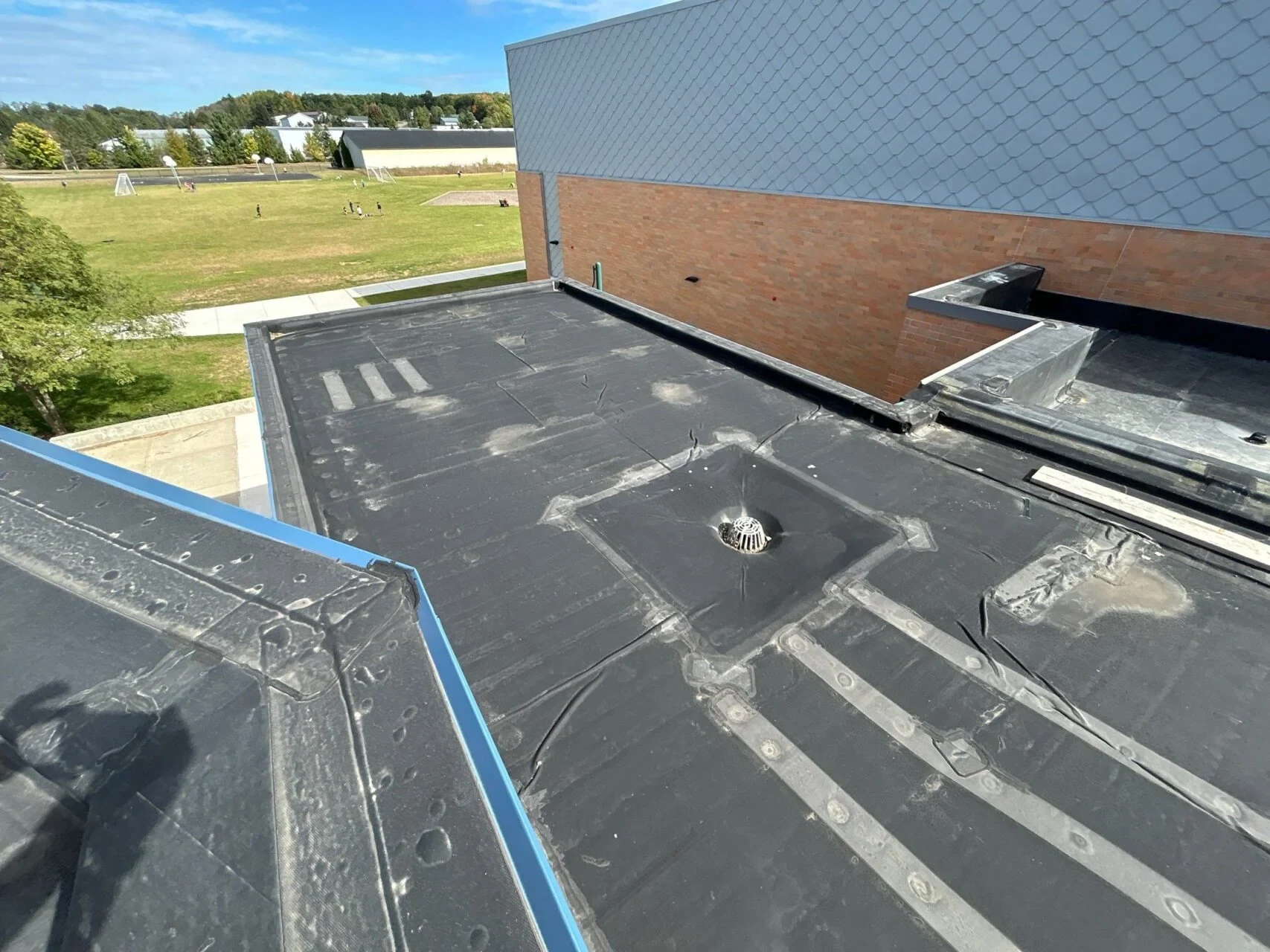
It's also a common choice on smooth-surface built-up or modified bitumen roofs with adequate slope, where its lower cost compared to silicone makes sense given the roof doesn't hold water.
We check drainage history before recommending acrylic on any non-metal roof , a roof owner may not know a section has developed a ponding pattern until we walk it after rainfall, which is part of why we prefer inspecting during or right after a storm when scheduling allows it.
Coating over R-panel and standing seam roofs is one of the more common acrylic jobs we run across the ag-service buildings west of town, where owners want to extend a serviceable metal roof another decade rather than commit to full panel replacement on a tighter capital budget.
Rust Encapsulation on Older Metal
A lot of older R-panel and standing seam buildings around Fort Smith's industrial areas show surface rust at fastener heads and panel seams. Acrylic coating systems, applied over properly prepped and treated rust, encapsulate the corroded surface and slow further oxidation, which is a meaningful part of what we're buying when we recommend a metal roof recoat instead of replacement.
Rust that's progressed to through-panel perforation is past what coating can address , at that point we're talking about panel replacement in the affected sections, not only a coating job.
UV Reflectivity and Heat Load
A white or light-colored acrylic coating reflects a significant share of solar radiation compared to an aged, oxidized, dark metal panel finish, cutting rooftop surface temperature and the associated cooling load during our hot, humid summer months. That reflectivity benefit is a meaningful selling point for owners paying their own utility bills on a light-industrial or ag-service building.
Where Acrylic Isn't the Right Call
Ponding water is the clear disqualifier , acrylic softens under prolonged standing water, so we don't recommend it on dead-flat roofs with known ponding history. For those roofs we'd steer toward silicone instead, even though it costs more.
Acrylic also isn't the right choice where chemical or grease exposure is a factor, since it lacks the chemical resistance of PVC or silicone in those conditions.
Surface Prep Determines How Long It Lasts
Coating adhesion depends almost entirely on surface prep , rust removal, chalk removal, and proper cleaning before any coating goes down. A coating applied over inadequately prepped rust or chalky oxidation will fail early regardless of coating quality. Our prep process typically includes:
- Pressure washing to remove chalking, dirt, and loose debris
- Wire brushing or mechanical treatment of rust at fasteners and seams
- Rust-inhibiting primer at treated corrosion spots before coating
- Fastener check and replacement where corrosion has compromised sealing
- Test patch adhesion check before full-roof application
Working on Occupied Ag and Light-Industrial Buildings
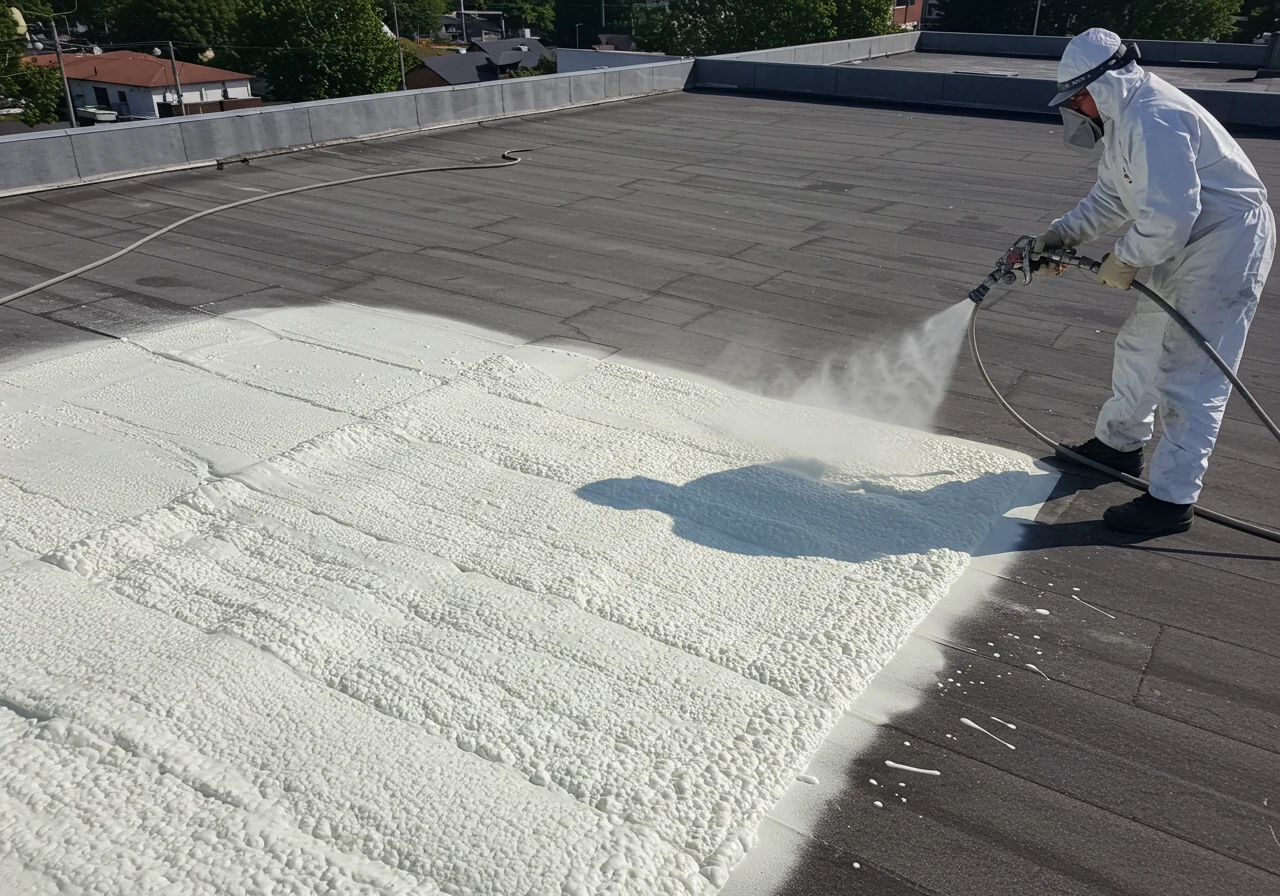
A lot of our acrylic coating work happens on buildings that stay in operation the whole time , feed mills, equipment storage, and light-industrial shops that can't shut down for a reroof. Water-based acrylic has minimal odor compared to torch or solvent-based products, which matters on sites where staff and equipment are working nearby during application.
We schedule coating passes around each site's operating hours where possible and coordinate access to loading areas so the work doesn't block deliveries or equipment movement during the project.
Acrylic Coating Questions From Fort Smith Owners
Is acrylic coating cheaper than silicone?
Generally yes, acrylic costs less upfront than silicone. The tradeoff is that it doesn't tolerate standing water the way silicone does, so the actual roof condition determines which one applies rather than price alone.
Can acrylic coating fix rust on my metal roof?
It encapsulates and slows surface rust when properly prepped, but it doesn't reverse existing corrosion or fix panels with through-perforation. We check carefully for perforation before recommending coating over any rusted section.
How long does an acrylic coating last on a metal roof?
It depends on coating thickness, UV exposure, and how well the surface was prepped before application. We track condition during inspections and recommend recoat timing based on actual wear rather than a fixed schedule.
Does acrylic work on built-up or modified bitumen roofs too?
Yes, on sloped sections without ponding history. We check drainage patterns closely before recommending acrylic over any non-metal substrate, since the same ponding rule that applies to metal roofs applies here too.
Will acrylic coating void my existing roof warranty?
It depends on the original manufacturer's warranty terms. We check that before recommending a coating project on a roof that's still under an active warranty, since some manufacturers require their own approved coating product to preserve existing coverage terms.