Recover or Tear Off: How We Make the Call
Recover versus tear-off is the single decision that drives most of the cost and disruption on a Fort Smith commercial reroof, and it's not a decision we make from the ground. It comes down to what's actually on the roof, how many layers are already there, and what condition the deck and insulation are in underneath.
What Recover Actually Means
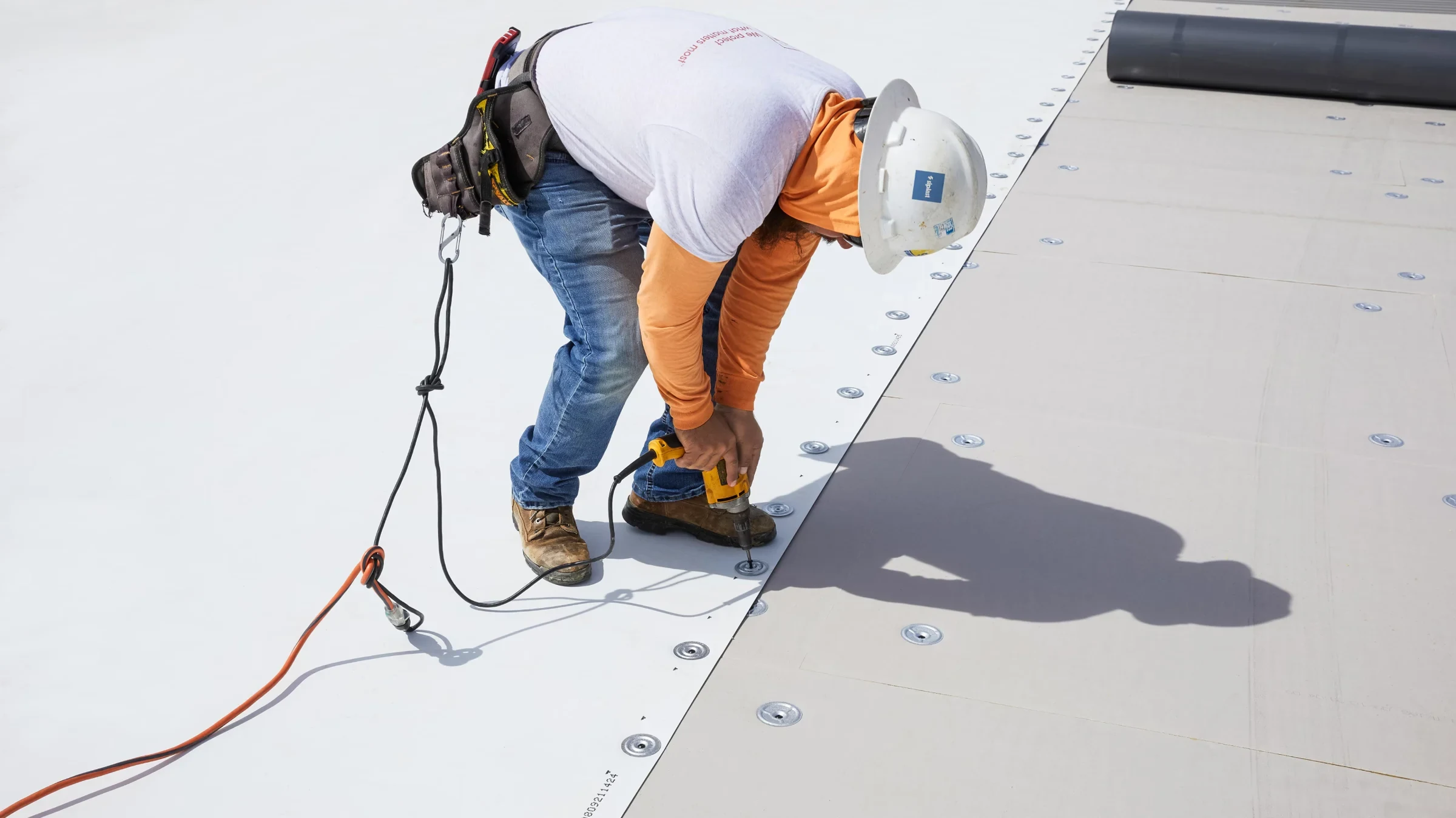
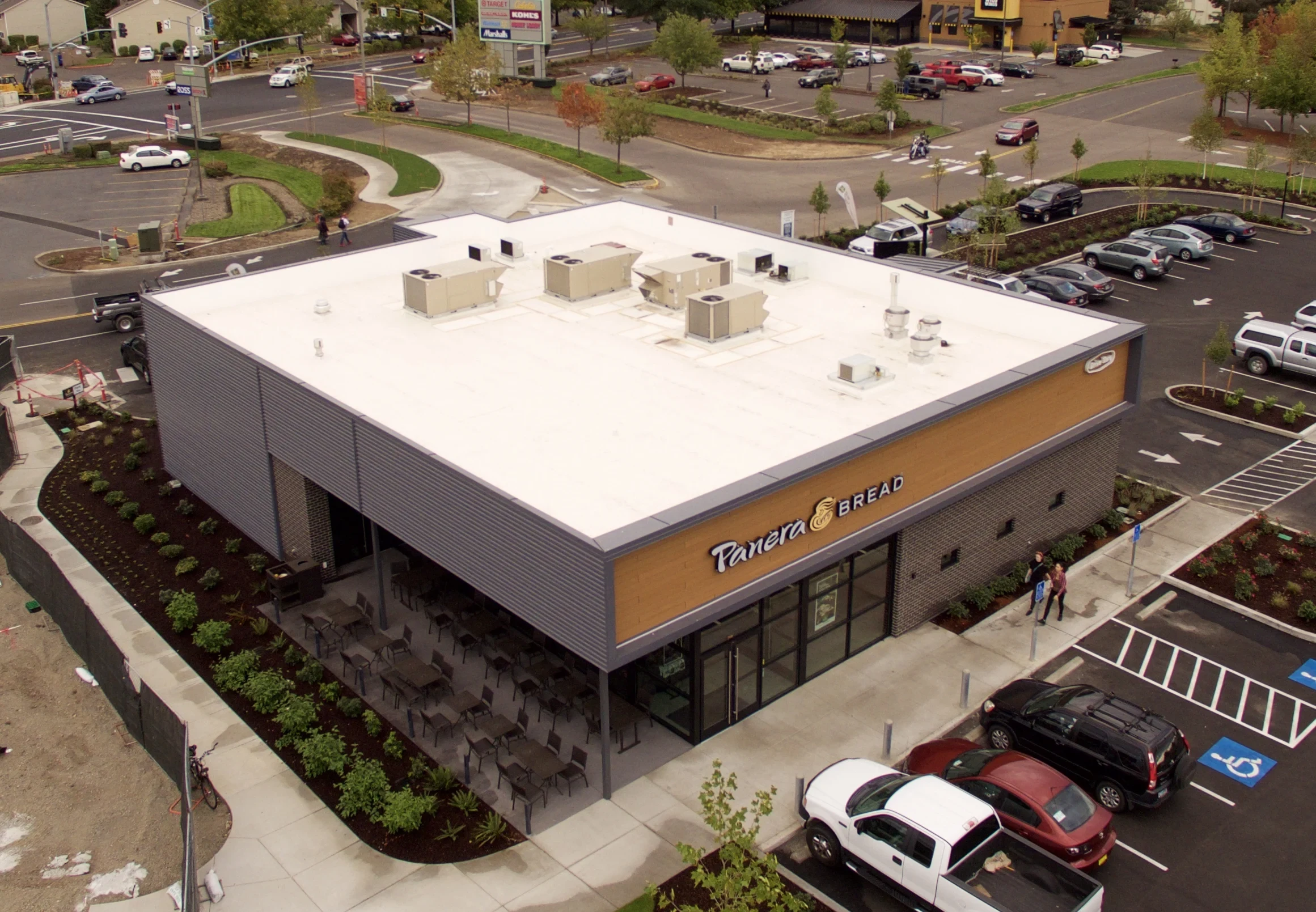
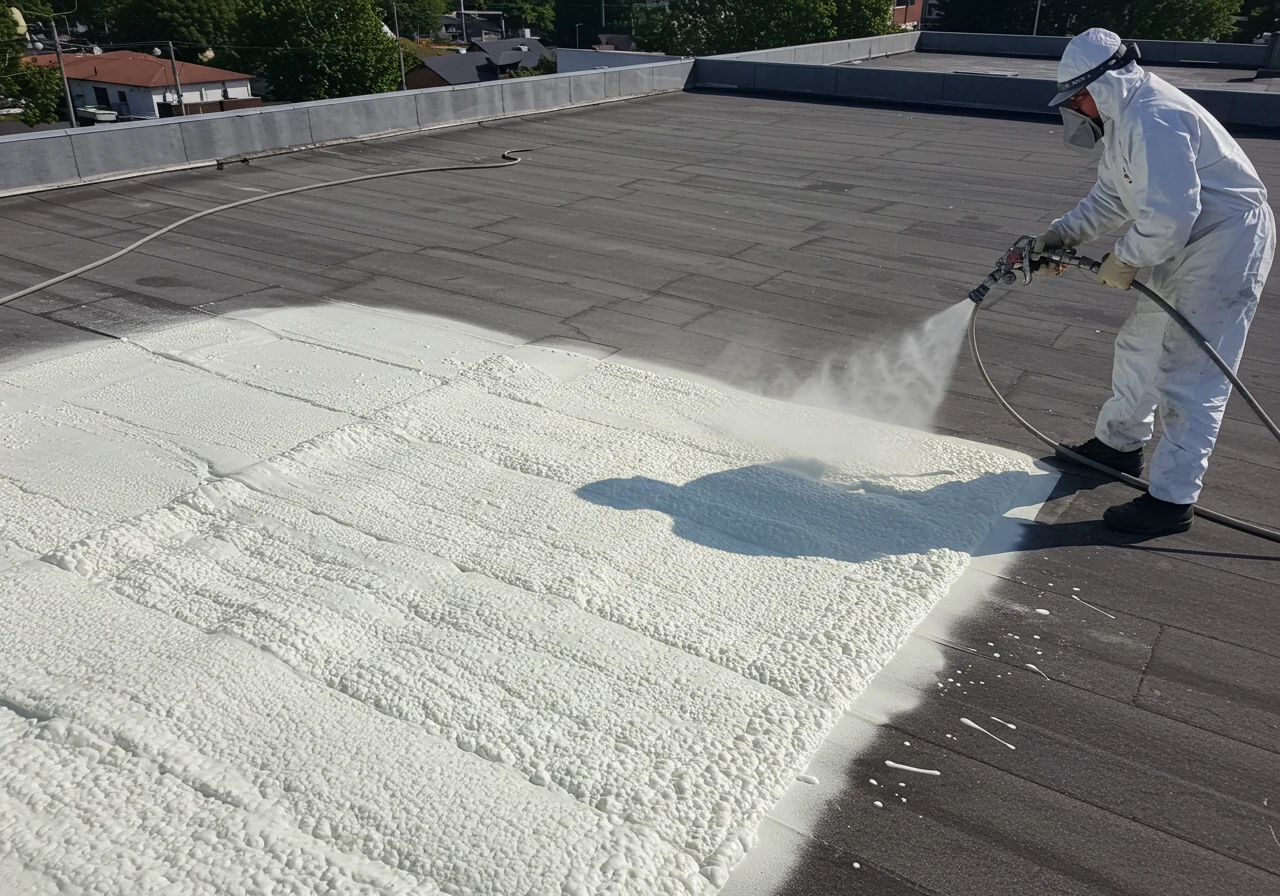
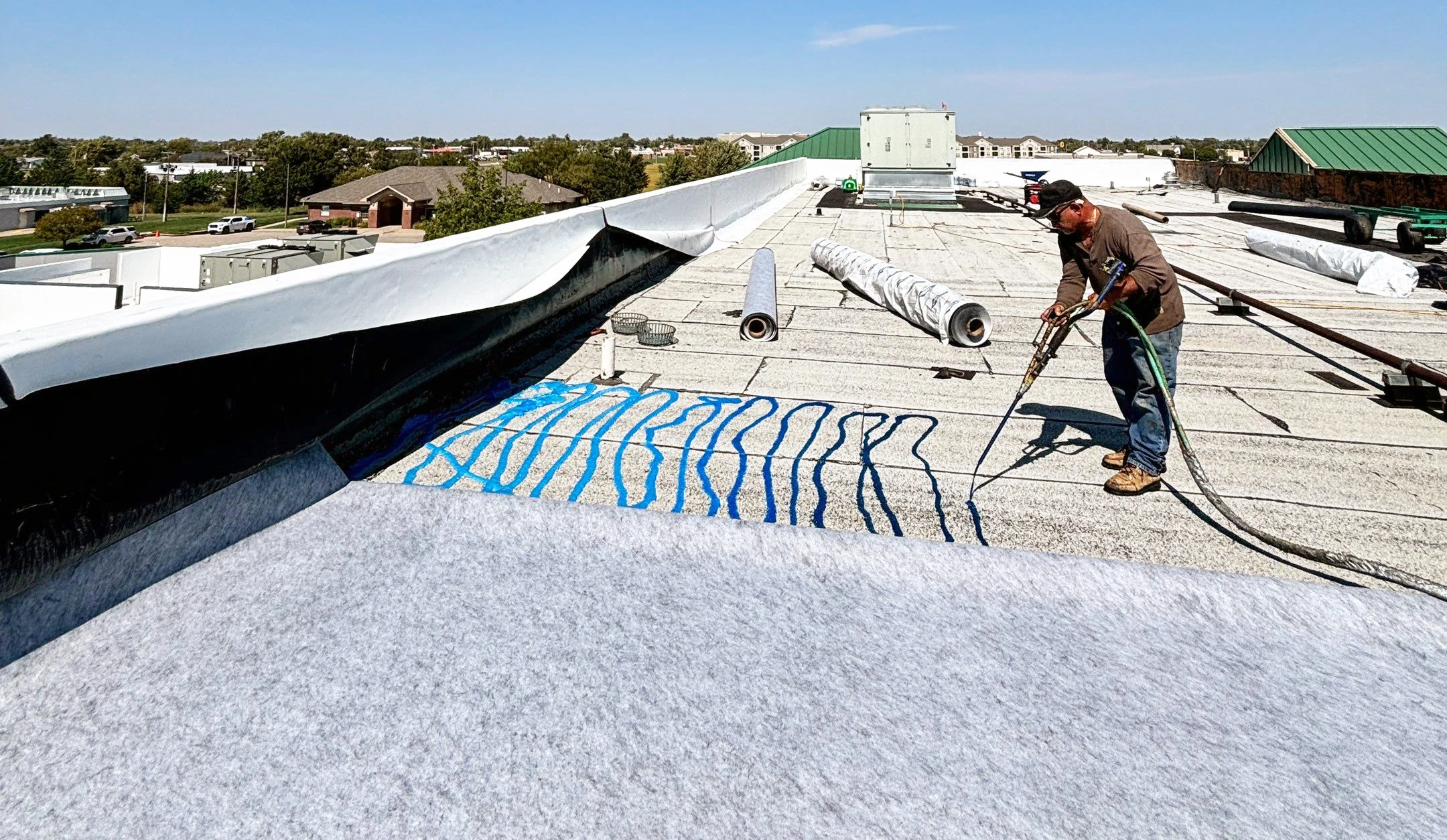
A recover installs a new membrane over the existing roof system rather than removing it first, which saves the cost and disruption of tear-off and disposal. It's a legitimate, code-recognized option, but it only works when the existing roof is dry, structurally sound, and adequately attached to the deck.
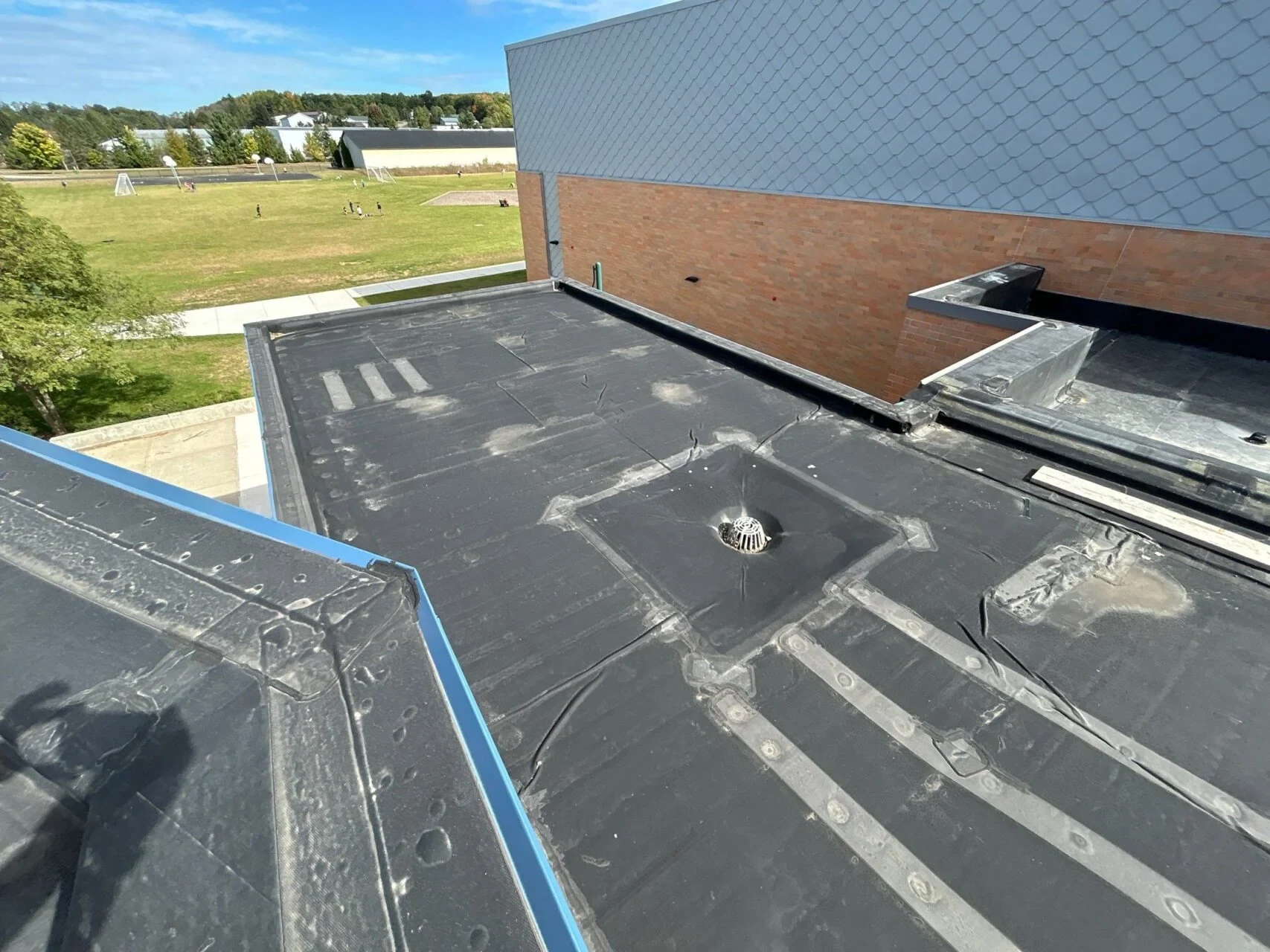
Recover doesn't mean skipping inspection , if anything, it requires a more careful evaluation of what's being covered up, since problems sealed under a new membrane become much more expensive to find and fix later.
For owners weighing capital budget against operational disruption, recover is often the more attractive option purely on cost and downtime, but we won't recommend it on a roof where the underlying evaluation raises real doubt about deck or insulation condition.
The Two-Layer Code Limit
Most building codes cap low-slope roofs at two roofing layers total. If a building already has two layers on the deck, a third recover generally isn't permitted , that roof requires tear-off regardless of the existing membrane's condition. On Fort Smith's older manufacturing buildings, which have often been reroofed multiple times over fifty-plus years, hitting that layer limit is common, and it's one of the first things we check with a core sample before quoting any project.
Wet Insulation Forces the Issue
Even on a roof under the layer limit, saturated insulation rules out recover. Covering wet insulation with a new membrane traps moisture against the deck, which accelerates deck deterioration and voids most manufacturer warranties on the new system. We check insulation moisture content with core samples and moisture scanning before recommending recover on any building.
This is where a lot of recover projects go wrong when the evaluation is rushed , a roof can look dry on the surface while carrying saturated insulation across large sections, particularly around drains and low points where water has pooled repeatedly over years.
Cost and Disruption Tradeoffs for Occupied Buildings
For an operating manufacturing plant or distribution center, tear-off means exposed deck during the work, which carries weather risk and potential disruption to production or warehouse operations underneath. Recover eliminates that exposure window entirely, which is often the deciding factor for owners who can't afford downtime, independent of the cost difference. Our evaluation for recover eligibility covers:
- Core samples at multiple locations to confirm layer count
- Moisture scan across the full roof area, not only visible trouble spots
- Pull tests to confirm existing membrane attachment strength
- Deck condition check at every core sample location
- Insulation R-value assessment against current energy code targets
When We Recommend Tear-Off Even If Recover Is Allowed
Sometimes a roof qualifies for recover under code but we still recommend tear-off , usually because the insulation is undersized for current energy code and a recover would lock in poor thermal performance for another twenty years, or because the deck itself shows deterioration that a surface recover would hide rather than fix. We lay out both options with real cost numbers so the owner makes an informed call rather than defaulting to whichever is cheaper this quarter.
Energy Code Considerations in a Recover Decision
Insulation R-value requirements have climbed over the decades on most of Fort Smith's older manufacturing and warehouse buildings, and a straight recover over undersized existing insulation locks in that shortfall for another roof cycle rather than fixing it. We check current insulation R-value against present code targets before recommending recover, since the answer sometimes tips the decision toward tear-off with new insulation instead.
A recover can also be paired with tapered insulation above the existing roof to correct drainage on a roof with known ponding, which addresses two problems , thermal performance and slope , in a single project instead of deferring the drainage fix to a later date.
Recover and Overlay Questions From Fort Smith Owners
How do you know how many layers are already on my roof?
We pull core samples at representative locations across the roof, which shows layer count, insulation type, and deck condition without guesswork, and we share the findings before recommending a path forward.
Is recover always cheaper than tear-off?
Usually, yes, in upfront cost. But if the insulation is undersized or the deck has hidden damage, a cheaper recover can cost more over the roof's life than doing tear-off correctly the first time, which is why we weigh both against the building's planned hold period.
Can I recover a roof that already has two layers on it?
Generally no, most codes cap layers at two. That roof needs tear-off, and we'd confirm the exact local code requirement for your specific building before finalizing the scope.
Does recover affect my new roof's warranty?
It can, depending on the manufacturer and existing roof condition. We review warranty implications with the owner directly before finalizing a recover scope.
How disruptive is tear-off on an operating manufacturing building?
It depends on roof size and phasing, but we plan tear-off in sections to limit exposed deck time and coordinate scheduling around production activity and shift changes where possible.